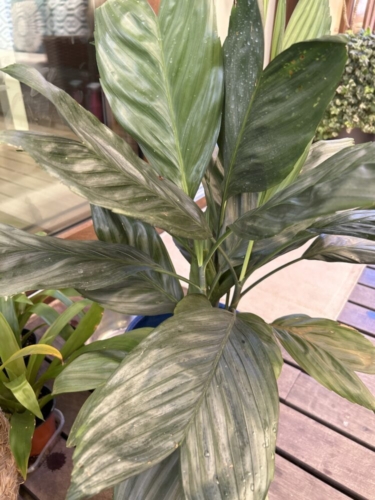
Introduction
Mention the genus Chamaedorea and many people immediately picture the Parlor Palm, Chamaedorea elegans—a familiar, compact palm that has been grown indoors for generations.
But that familiar houseplant represents only one expression of a remarkably diverse genus.
Across the tropical and subtropical forests of the Americas, Chamaedorea takes on an extraordinary range of forms. Some species remain small enough to disappear beneath the surrounding vegetation, while others rise on slender trunks toward the forest canopy. Some produce delicate pinnate leaves composed of numerous narrow leaflets; others bear broad, nearly undivided leaves that hardly resemble the conventional image of a feather palm. Species may grow as solitary palms or form dense colonies of stems, and their habitats range from warm tropical lowlands to cool, elevated forests.
Few genera demonstrate more clearly that palms sharing a botanical name do not necessarily share a common appearance.
This is Chamaedorea—one genus, many forms.
Understanding Chamaedorea
Chamaedorea is a genus of palms native to the Americas, with its greatest diversity occurring in Mexico and Central America with additional species extending into South America. Today, 108 species are generally recognized. The genus continues to evolve taxonomically, with two species—Chamaedorea delicata and Chamaedorea mazateca—described as recently as 2025.
Most are forest palms, frequently occupying the understory beneath taller vegetation. That association with filtered light has helped make several species successful cultivated palms, particularly in protected gardens and indoor environments.
But describing Chamaedorea simply as a genus of small, shade-loving palms misses much of the story.
Across the genus are dramatic differences in mature height, leaf structure, stem size, growth habit and environmental adaptation. Some species produce remarkably broad leaves; others develop finely divided crowns. Some remain solitary throughout their lives, while others spread into colonies. And although many are unmistakably tropical, members of the genus vary considerably in their tolerance of cooler conditions.
It is this combination of recognizable relationships and unexpected differences that makes Chamaedorea particularly well suited to our One Genus, Many Forms series.
From Forest Floor to Forest Canopy: Diversity in Stature
One of the most striking differences within Chamaedorea is simply scale.
The genus includes diminutive palms adapted to life close to the forest floor as well as species capable of developing tall, slender trunks that reach surprisingly high into the forest.
Our selected species illustrate both ends of that spectrum—from compact understory palms to Chamaedorea woodsoniana, which demonstrates just how far the genus can depart from the small stature commonly associated with Chamaedorea.
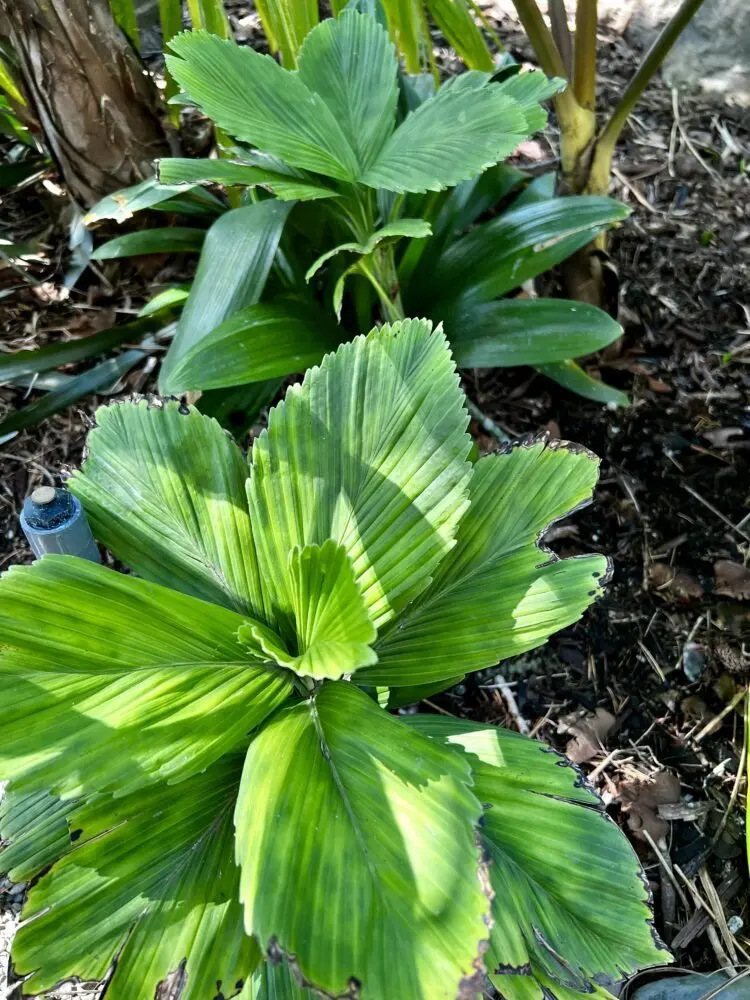
Chamaedorea tuerckheimii | Potato Chip Palm
Native to southern Mexico, Guatemala and Honduras, it is one of the smallest members of the genus, immediately recognizable for its compact stature and heavily pleated, bifid leaves. The unusual texture and shape of its foliage inspired its fitting common name.
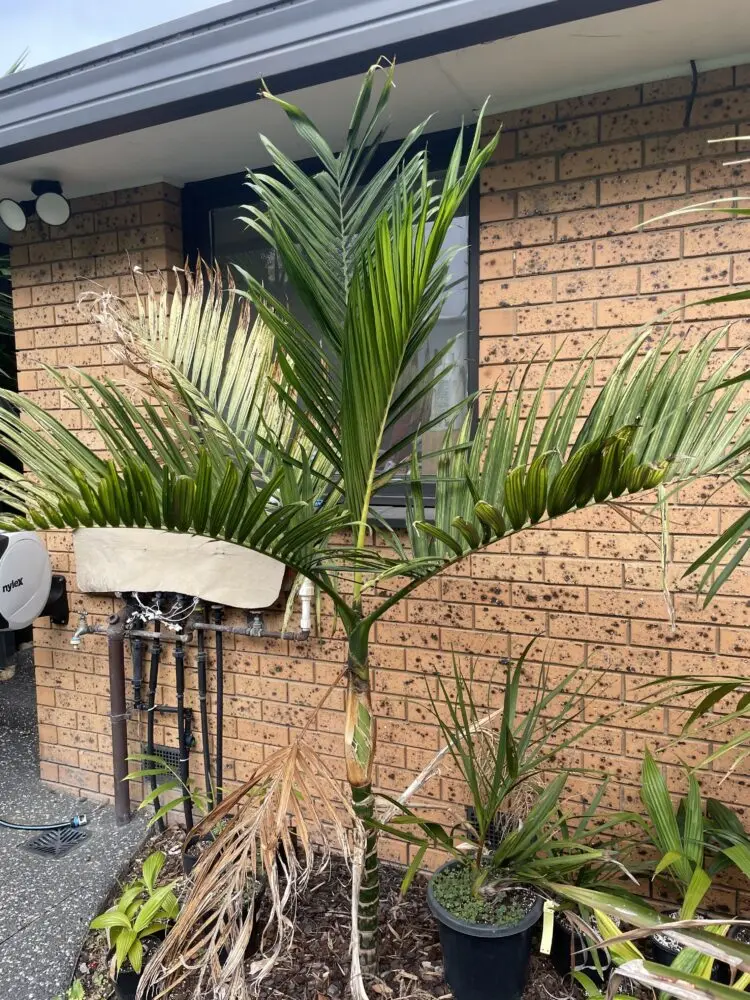
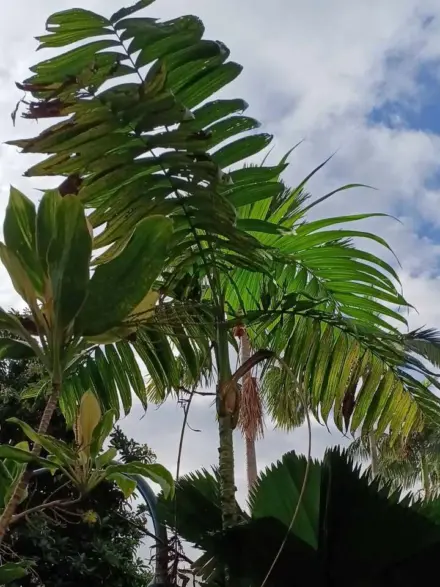
Native from southern Mexico through Central America into northwestern Colombia, this is the tallest species in the genus, developing a slender trunk that can carry its crown high into the forest. Its impressive height challenges the familiar image of Chamaedorea as a genus composed primarily of small understory palms.
Leaves That Challenge the Familiar Form
Perhaps nowhere is the diversity of Chamaedorea more immediately apparent than in its foliage.
The familiar pinnate leaves of species such as the Parlor Palm may establish our expectations for the genus, but other species quickly overturn them. Broad, undivided or bifid leaves can create forms that look remarkably different from their finely divided relatives.
Leaf shape, texture, width and arrangement provide some of the strongest visual evidence for just how much variation can occur within a single palm genus.
Chamaedorea tepejilote | Pacaya Palm
Native from southern Mexico through Central America into western Colombia, this species displays the graceful pinnate foliage more commonly associated with the genus, with numerous leaflets creating a full, arching crown. It is also notable for its edible immature male inflorescences, known as pacaya, which are traditionally eaten in parts of Mexico and Central America.
Chamaedorea ernesti-augusti | Ernest August's Palm
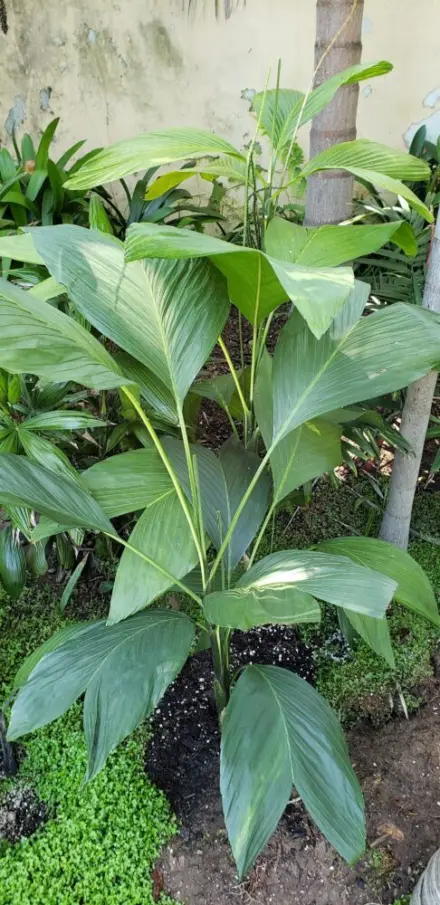
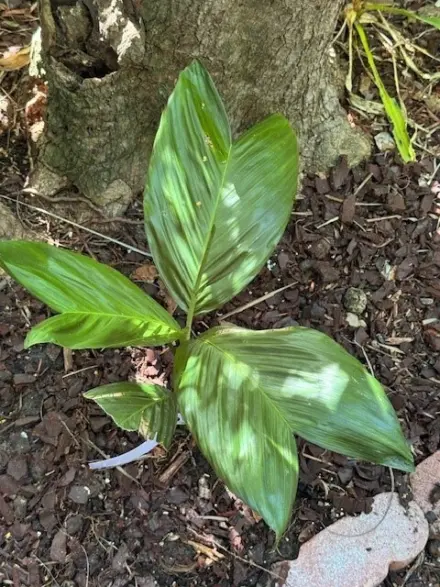
Native from southern Mexico through Belize and Guatemala to Honduras, this species develops large, broad leaves that remain undivided except for their deeply bifid tips. The result is a bold, almost paddle-like foliage form dramatically different from the classic pinnate appearance of many Chamaedorea.
Chamaedorea geonomiformis | Necklace Palm
Native from southern Mexico through parts of Central America, this is a small understory species characterized by elegant, undivided bifid leaves carried on slender stems. Its compact proportions and broad foliage give it an appearance quite unlike the larger, feather-leaved species within the genus.
Solitary or Clustering: Different Ways to Grow
Variation within Chamaedorea isn't limited to leaves and height. The basic architecture of the plant can change dramatically as well.
Some species develop a single stem and maintain a distinctly solitary presence. Others produce multiple stems from the base, eventually forming colonies that bear little resemblance to their solitary relatives. The two species highlighted here illustrate these contrasting growth strategies, with one remaining solitary and the other developing into a multi-stemmed cluster.
These different growth strategies affect not only how the palms appear in habitat, but also how they function in cultivated landscapes.
Chamaedorea cataractarum | Cascade Palm
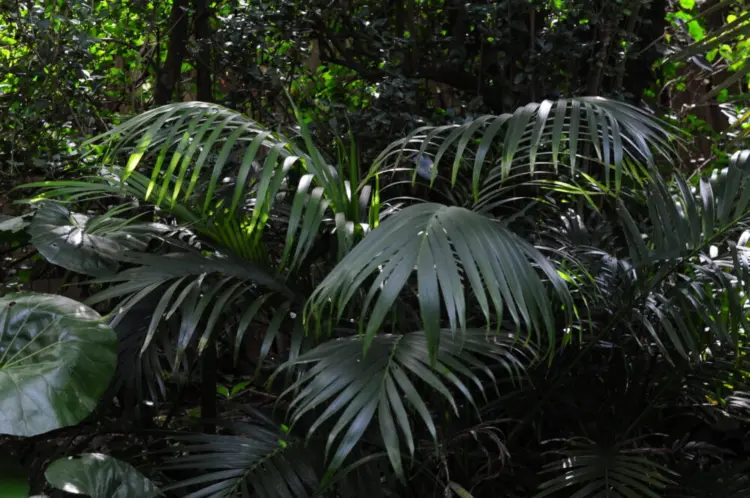
Native to southern Mexico, this palm produces numerous stems from its base, eventually forming dense colonies of arching green foliage. Its natural association with streams and other consistently moist habitats further distinguishes this clustering species.
Chamaedorea elegans | Parlor Palm
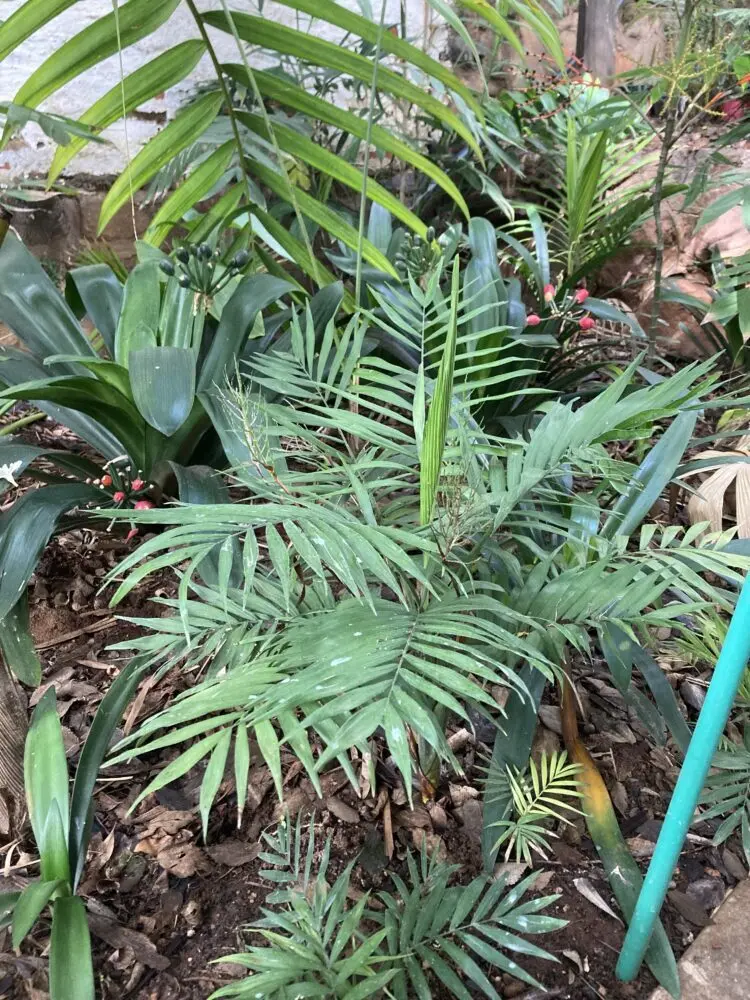
Native from Mexico through Belize and Guatemala to Honduras, this is a naturally solitary palm whose tolerance of relatively low light helped make it an enduring indoor plant. The dense clumps commonly sold as Parlor Palms are typically created by planting multiple individual palms together rather than by natural basal clustering.
Adaptation Across Habitats
Although the forest understory connects much of the genus, Chamaedorea species have evolved under very different environmental conditions.
Elevation, rainfall, temperature, soil, moisture and geography have all helped shape the palms we see today. Some inhabit wet streamside environments, while others occur in mountain forests or occupy specialized ecological niches.
Those adaptations help explain why two members of the same genus can differ so noticeably in appearance, growth habit and even their usefulness in cultivation.
Chamaedorea radicalis | Hardy Parlour Palm
Native to northeastern Mexico, this species stands apart for its unusual tolerance of cool conditions, making it one of the hardiest members of this predominantly tropical genus. It is typically solitary and may remain nearly stemless for years, although some forms eventually develop a conspicuous above-ground trunk.
Chamaedorea falcifera | Falcifera Palm
Native to Guatemala, this palm is distinguished by its pinnate leaves and narrow, falcate—or sickle-shaped—leaflets, a characteristic reflected in its scientific name. Its slender form provides another example of how subtle differences in leaflet shape can produce a distinctly different appearance within the genus.
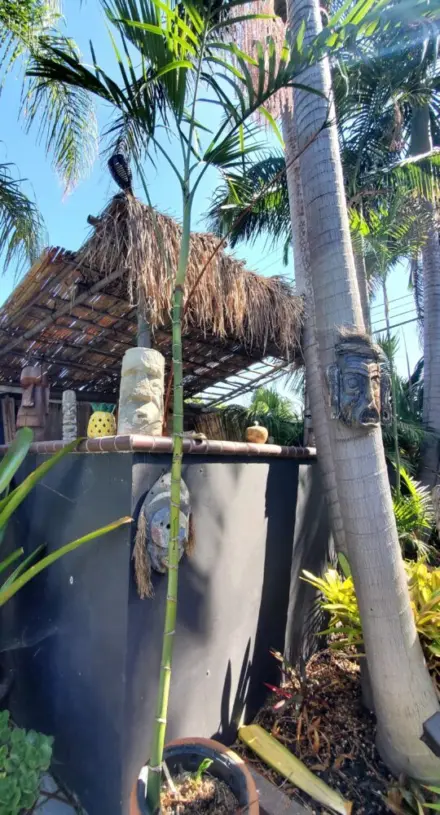
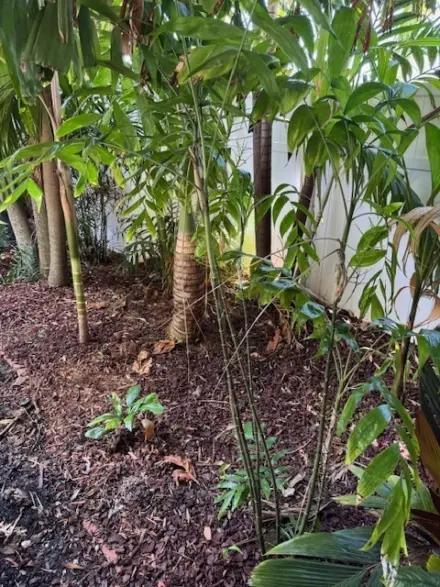
Chamaedorea nationsiana | Corn Palm
Native to Guatemala, this is a wet-forest species with broad, strongly pleated foliage that can give the plant an almost corn-like appearance. Its unusual leaves make it another striking departure from the finely divided crowns commonly associated with Chamaedorea.
Ten Species, One Remarkably Diverse Genus
The ten species highlighted in this article represent only a portion of the diversity found within the Chamaedorea genus. Together, they illustrate an impressive range of stature, foliage, growth habits and ecological adaptations—all within a single genus.
Closing Thoughts: Look Beyond the Parlor Palm
Perhaps the greatest obstacle to appreciating Chamaedorea is familiarity. Millions of people have encountered a Chamaedorea without ever realizing they were being introduced to one of the palm family's most varied genera. The ubiquitous Parlor Palm offers only a glimpse of what Chamaedorea can become.
Look deeper into the genus and an entirely different picture emerges: miniature forest-floor palms, broad undivided leaves, pleated foliage, clustering colonies, moisture-loving species and surprisingly tall palms reaching upward through tropical forests.
That diversity is exactly what One Genus, Many Forms is intended to celebrate.
At Project Palm, our goal is to document that diversity one species—and one photograph—at a time. Explore the Chamaedorea species already included in our Species Library, and if you grow or encounter one of these palms, consider sharing your photographs with the Project Palm community.
Because the more closely we look at a genus like Chamaedorea, the harder it becomes to think of palms as all looking the same.
Is there a Chamaedorea species you would like to see added to the Project Palm Species Library? Let us know! Follow this link to our Contact page and send us your suggestion—we’re always looking for new species to research, document and share with the palm community.
Help Us Document Chamaedorea
Project Palm currently has 40 of the 108 accepted Chamaedorea species formally described in our Species Library—more than one-third of the entire genus—and we continue to add more. Building a truly useful visual resource takes more than species descriptions—it takes photographs from growers, botanical gardens and palms observed in habitat around the world.
That’s where you can help.
If you are growing a Chamaedorea species, or have photographed one in habitat or at a botanical garden, we would love for you to share your photos with the Project Palm community. From seedlings and juveniles to mature specimens, flowers and fruit, every photograph can help document the remarkable diversity within this genus. If your photo is of a species we don't yet have described, we will add it!
Simply log in to your Project Palm account and follow the link to upload your photos. Together, we can build one of the most comprehensive visual collections of Chamaedorea species available to palm enthusiasts everywhere.
At Project Palm, our mission is simple: to document, celebrate, and share the remarkable diversity of the palm world. With each new species added and each new photograph contributed, we move closer to building the most complete palm species resource ever assembled.
And within that effort, Chamaedorea is a remarkable reminder of just how much diversity can exist within a single genus. From diminutive palms of the forest floor to species reaching high into the canopy, from broad bifid leaves to elegant pinnate crowns, Chamaedorea truly embodies the idea behind this series: One Genus, Many Forms.
All Chamaedorea species photos were generously contributed by our members:
Cover photo: Chamaedorea metallica | Metallic Palm, photo courtesy of Carlota Santamaría Saenz
Chamaedorea tuerckheimii | Potato Chip Palm, Veracruz Palm, photo courtesy of Jim Denz
Chamaedorea woodsoniana, photo courtesy of Tim Brisbane
Chamaedorea tepejilote | Pacaya Palm, photo courtesy of David Parker
Chamaedorea ernesti-augusti | Ernest August's Palm, photo courtesy of Rob Kunz
Chamaedorea geonomiformis | Necklace Palm, photo courtesy of Erich von Unruh
Chamaedorea cataractarum | Cascade Palm, photo courtesy of Alex Garcia
Chamaedorea elegans | Parlor Palm, photo courtesy of Marius Jansen
Chamaedorea radicalis | Hardy Parlour Palm, photo courtesy of Tad Collister
Chamaedorea falcifera | Falcifera Palm, photo courtesy of Erich von Unruh
Chamaedorea nationsiana | Corn Palm, requesting member photos of this species!