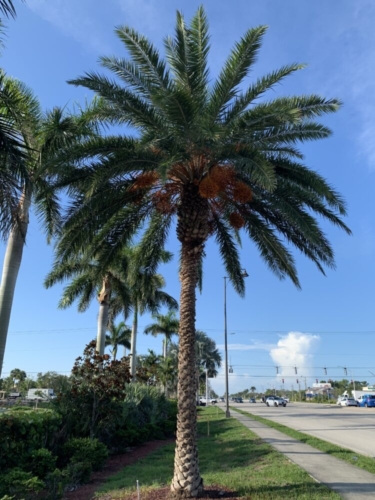
Did you ever notice how often the word “Phoenix” appears in palm names? It’s not coincidence — and it’s far more than a taxonomic quirk. That single word carries centuries of cultural meaning and botanical influence, shaping how palms across the world were discovered, described, and ultimately named. Once you notice the pattern, it’s impossible to ignore. Phoenix appears again and again — sometimes as an entire genus, sometimes embedded within another. What began as a simple observation unfolds into a story that blends mythology, geography, and the way early botanists made sense of the palm family.
The repeated appearance of “Phoenix” in palm genus names is no accident. Rooted in ancient language, mythology, and early agriculture, Phoenix became the archetypal reference point for what botanists believed a palm should represent: endurance, stature, and timeless form. As new palms were discovered across the globe, generations of botanists reused the name — not to imply close genetic relationships, but to signal resemblance, prestige, or continuity with classical botanical tradition. Viewed chronologically, these genera reveal how one ancient palm shaped more than 250 years of palm taxonomy and storytelling.
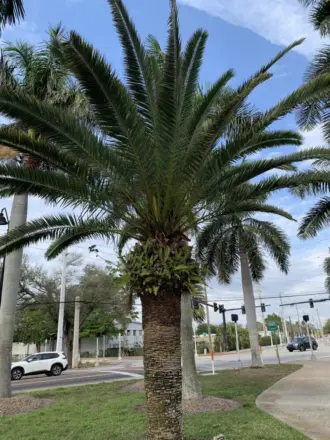
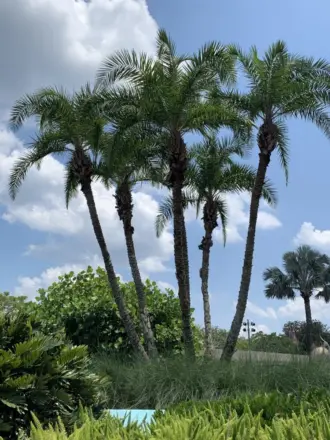
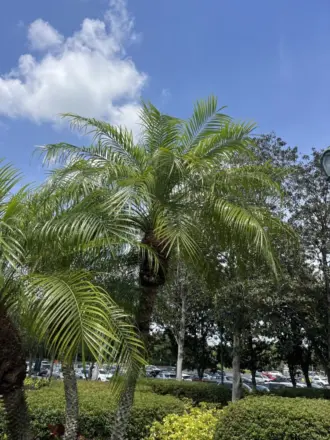
Thanks to the generosity of our members, we have many Phoenix species' photos to display in this article. If you have photos of this genus you would consider sharing, we would display them on our website! All palm photos on our website have been contributed by our members.
Share Your Palm Photos!
Phoenix-Derived Palm Genera (in Chronological Order)
Phoenix
Species:
Phoenix acaulis, Phoenix andamanensis, Phoenix atlantica, Phoenix caespitosa, Phoenix canariensis, Phoenix dactylifera, Phoenix loureiroi var. loureiroi, Phoenix loureiroi var. loureiroi sp. formosana, Phoenix loureiroi var. pedunculata, Phoenix paludosa, Phoenix pusilla, Phoenix reclinata, Phoenix roebelenii, Phoenix rupicola, Phoenix sylvestris, Phoenix theophrasti
Geographic origin: North Africa, the Middle East, southern Europe, and South Asia
The archetypal Old World palm genus, centered on arid and semi-arid regions tied to early human civilization.
Botanist: Carl Linnaeus
Year described: 1753
Significance of the name:
From the Greek phoinix, meaning the date palm, the Phoenicians, and the mythical phoenix bird. This genus became the archetype for palms worldwide, symbolizing longevity, resilience, and civilization itself.
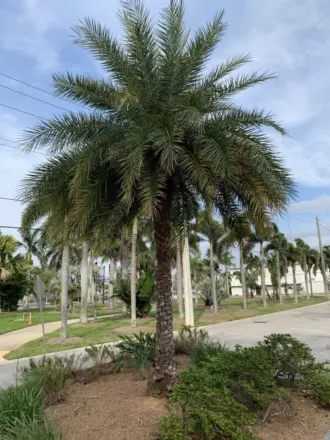
Acanthophoenix
Species:
Acanthophoenix crinita, Acanthophoenix rousselii, Acanthophoenix rubra
Geographic origin: Mascarene Islands (Mauritius & Réunion)
Island endemics from the western Indian Ocean with strong Phoenix-like form.
Botanist: Hermann Wendland
Year described: 1866
Significance of the name:
From Greek acanthos (thorn) + phoenix, meaning “spiny Phoenix,” highlighting a date-palm-like form paired with heavily armed trunks.
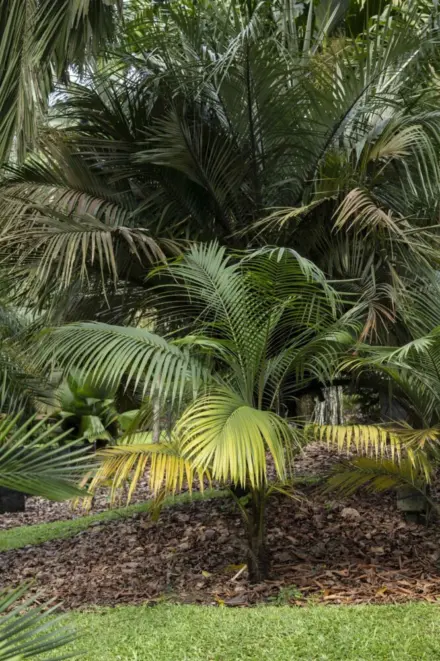
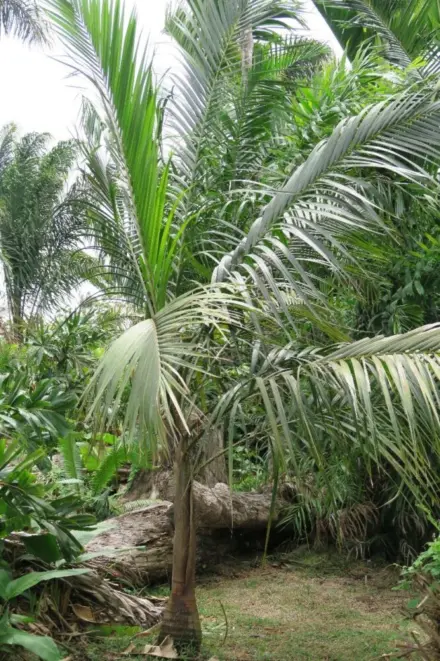

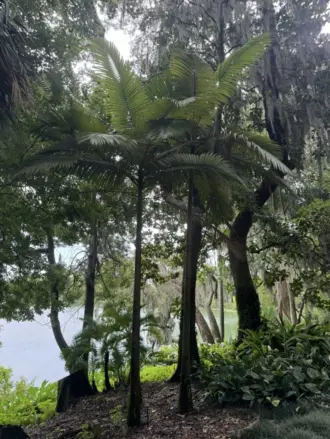
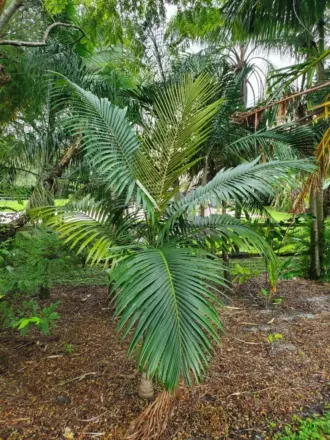
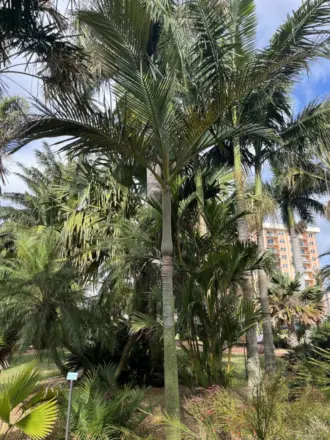
Archontophoenix
Species:
Archontophoenix alexandrae, Archontophoenix cunninghamiana, Archontophoenix maxima, Archontophoenix myolensis, Archontophoenix purpurea, Archontophoenix tuckeri
Geographic origin: Eastern Australia (Queensland & New South Wales)
Moist subtropical to tropical rainforests of Australia’s east coast.
Botanists: Hermann Wendland & Oscar Drude
Year described: 1875
Significance of the name:
From Greek archon (ruler) + phoenix, translating to “royal Phoenix,” a reference to height, authority, and elegance.
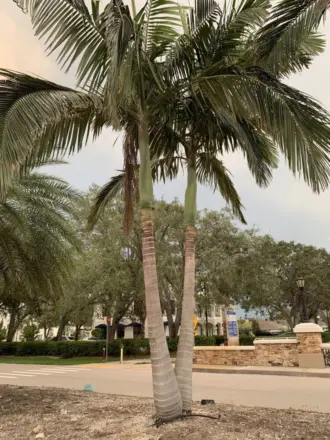
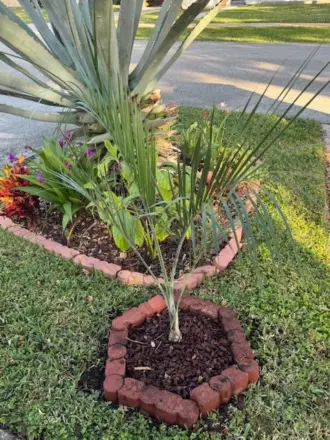
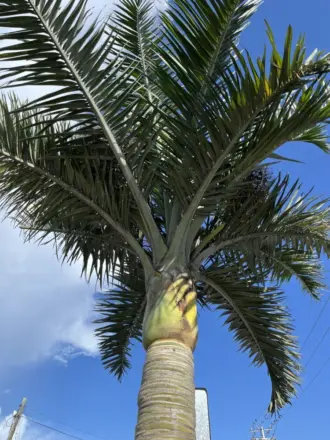
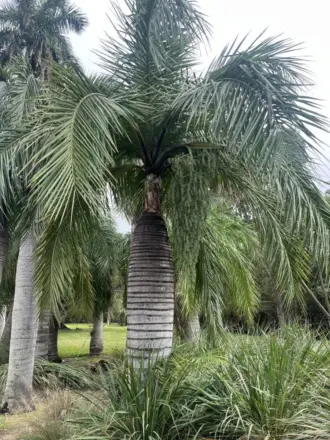
Pseudophoenix
Species:
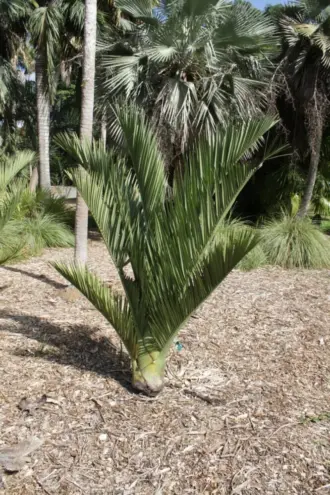
Pseudophoenix ekmanii, Pseudophoenix lediniana, Pseudophoenix sargentii, Pseudophoenix vinifera
Geographic origin: Caribbean (Cuba, Hispaniola, Dominican Republic, Haiti)
Dry forests and limestone habitats of the Greater Antilles.
Botanists: Hermann Wendland ex Charles Sprague Sargent
Year described: 1886
Significance of the name:
Meaning “false Phoenix,” preserving an early misidentification of these Caribbean palms as true date palms.
Cyphophoenix
Species:
Cyphophoenix alba, Cyphophoenix elegans, Cyphophoenix fulcita, Cyphophoenix nucele
Geographic origin: New Caledonia
Ancient Pacific island flora with high endemism and evolutionary isolation.
Botanist: Hermann Wendland ex J.D. Hooker
Year described: 1896
Significance of the name:
From Greek kyphos (bent or arched) + phoenix, describing palms with Phoenix-like crowns and gracefully curved trunks.
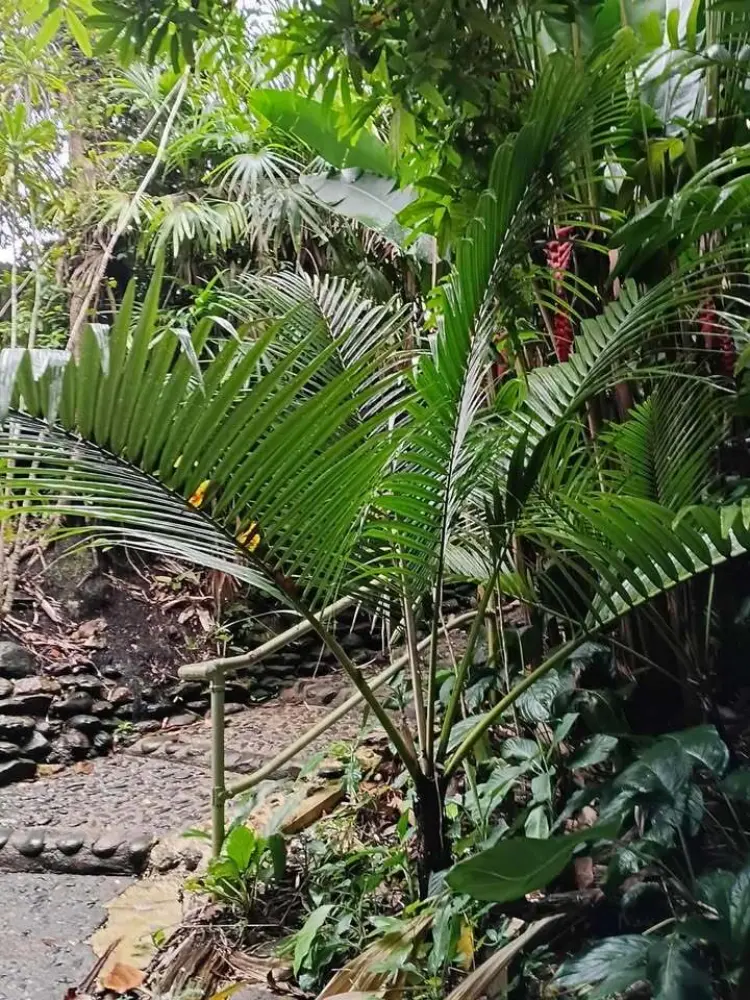
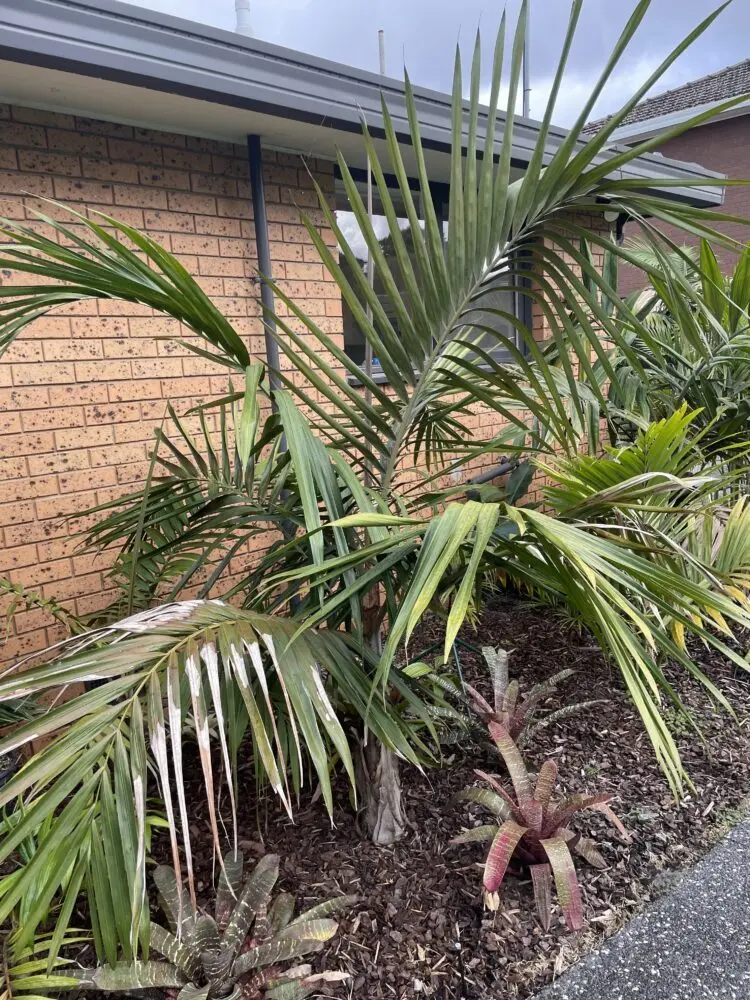
Phoenicophorium
Species:
Phoenicophorium borsigianum
Geographic origin: Seychelles
Granite island forests of the western Indian Ocean.
Botanist: Hermann Wendland ex J.D. Hooker
Year described: 1901
Significance of the name:
Meaning “Phoenix bearer,” reflecting how closely this Seychelles palm resembled a date palm.
The Kew Gardens story:
A young specimen was reportedly removed from the Seychelles and grown at Kew Gardens, where it became the basis for the genus description — a story that underscores the prestige associated with Phoenix-like palms.
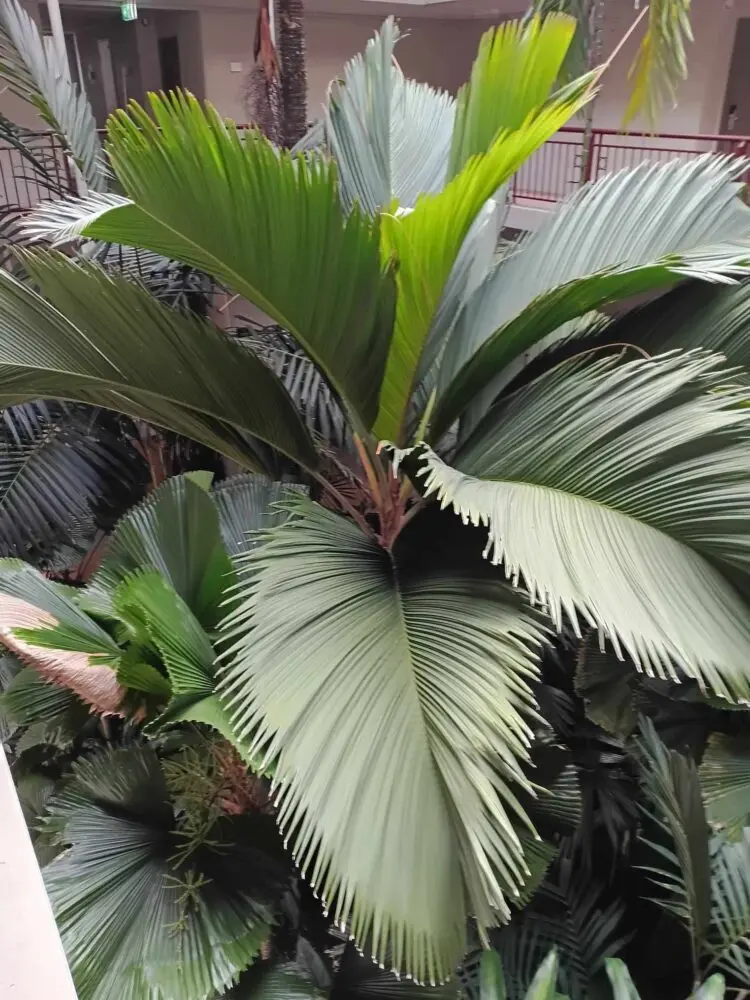
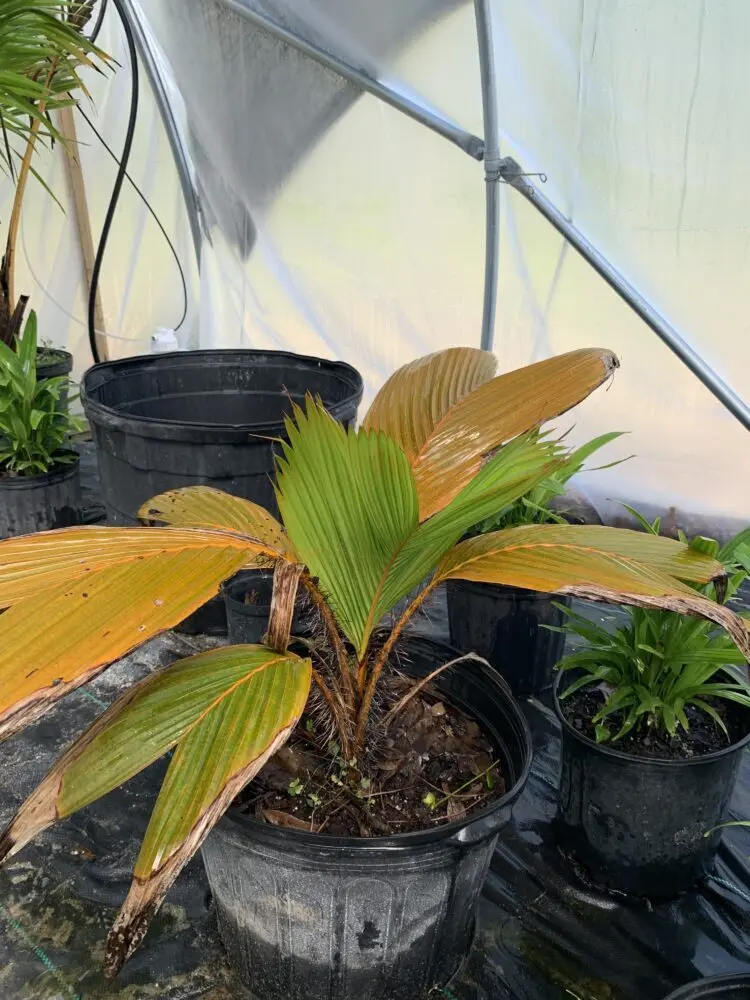
Brassiophoenix
Species:
Brassiophoenix drymophloeoides, Brassiophoenix schumannii
Geographic origin: New Guinea
Lowland and foothill rainforests of one of the world’s most palm-rich regions.
Botanist: Max Burret
Year described: 1935
Significance of the name:
The name reflects Phoenix-like characteristics observed in New Guinea palms, reinforcing Phoenix as a global visual reference rather than a genetic marker.
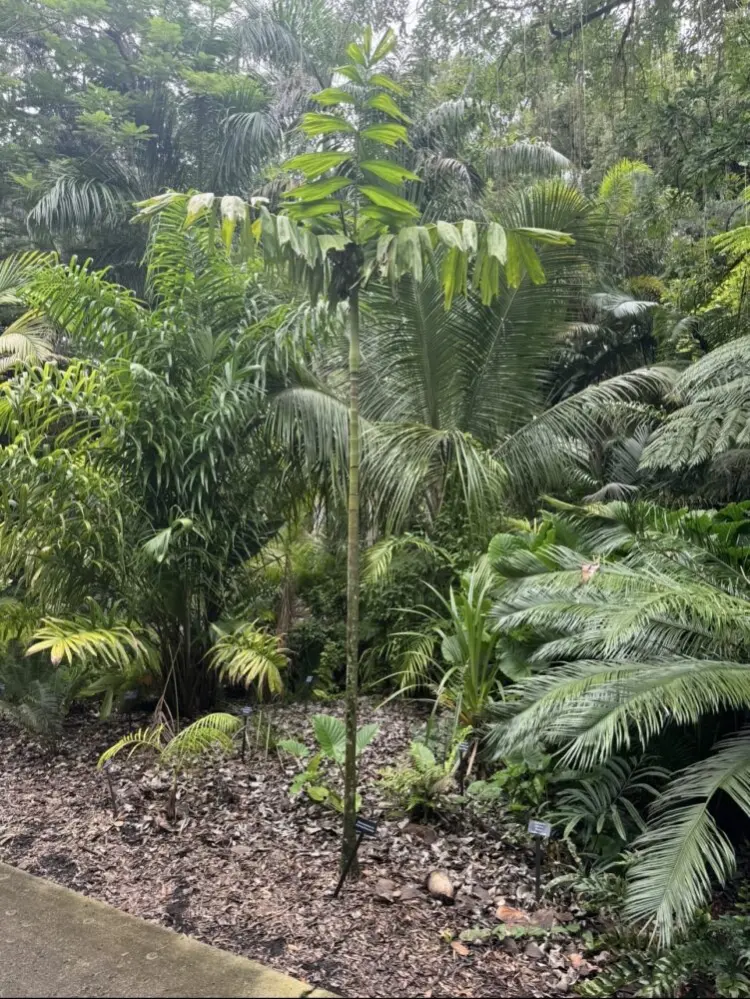

Chuniophoenix
Species:
Chuniophoenix hainanensis, Chuniophoenix nana
Geographic origin: Southern China and northern Vietnam
Subtropical forests of East Asia, extending the Phoenix naming tradition into Asia.
Botanist: Max Burret
Year described: 1935
Significance of the name:
An honorific genus named for botanist W.Y. Chun, paired with phoenix to maintain continuity with classical palm taxonomy.
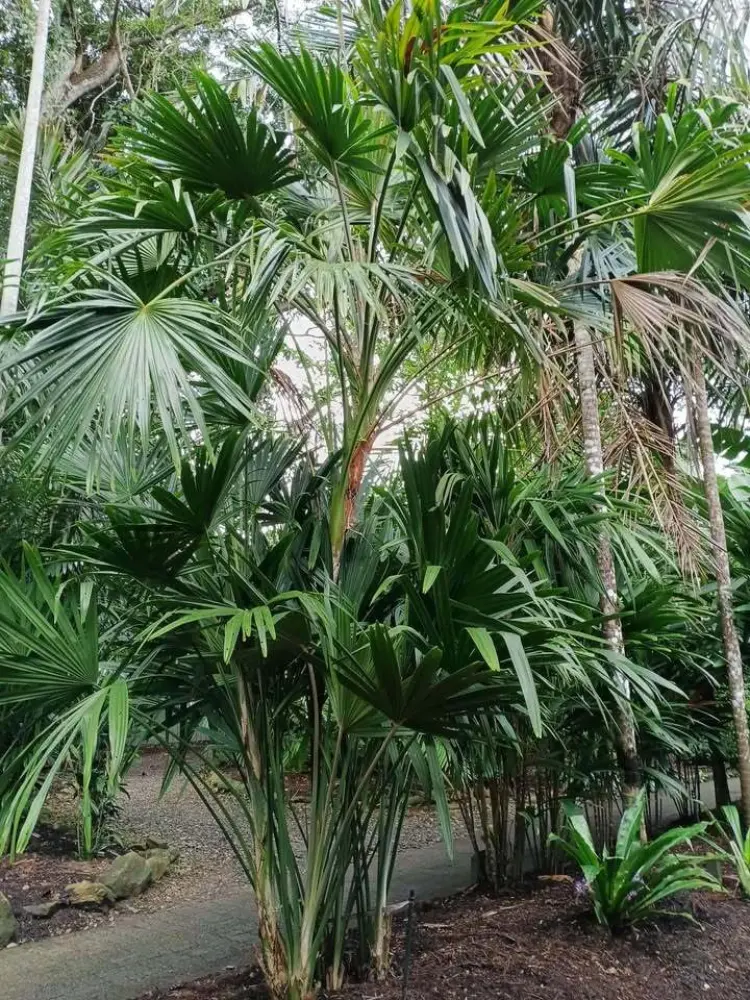
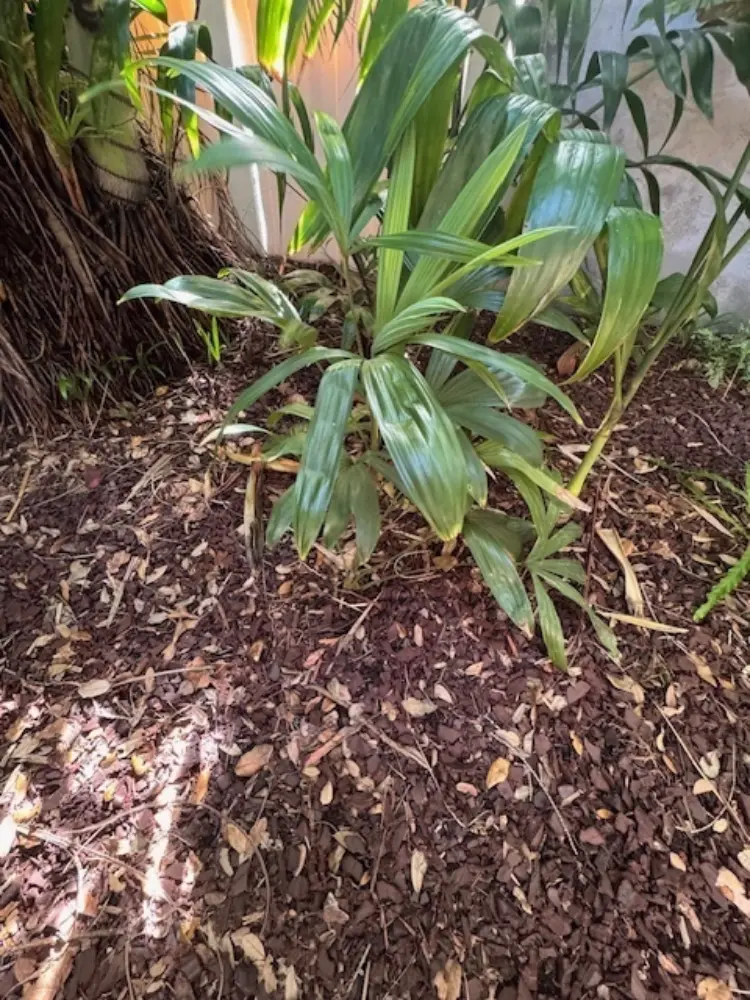
Lemurophoenix
Species:
Lemurophoenix halleuxii, Lemurophoenix laevis
Geographic origin: Madagascar
Endemic to Madagascar’s eastern forests, a global hotspot of palm diversity.
Botanist: John Dransfield
Year described: 1991
Significance of the name:
Combines Madagascar’s iconic lemurs with the Phoenix archetype, signaling a palm that looks familiar yet evolved in isolation.
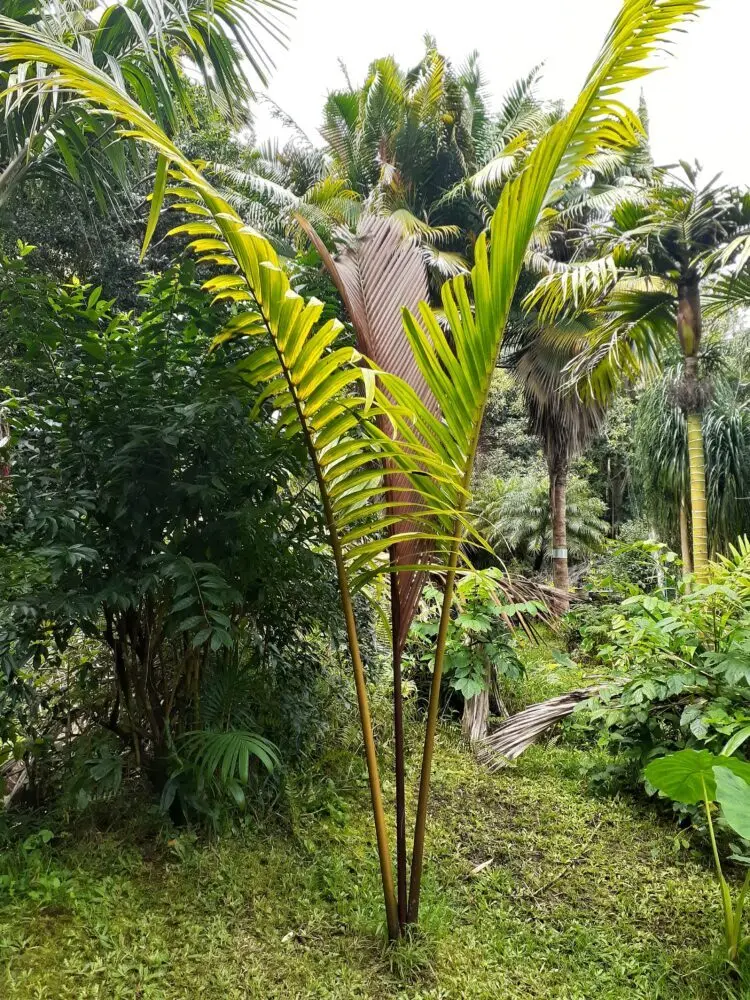
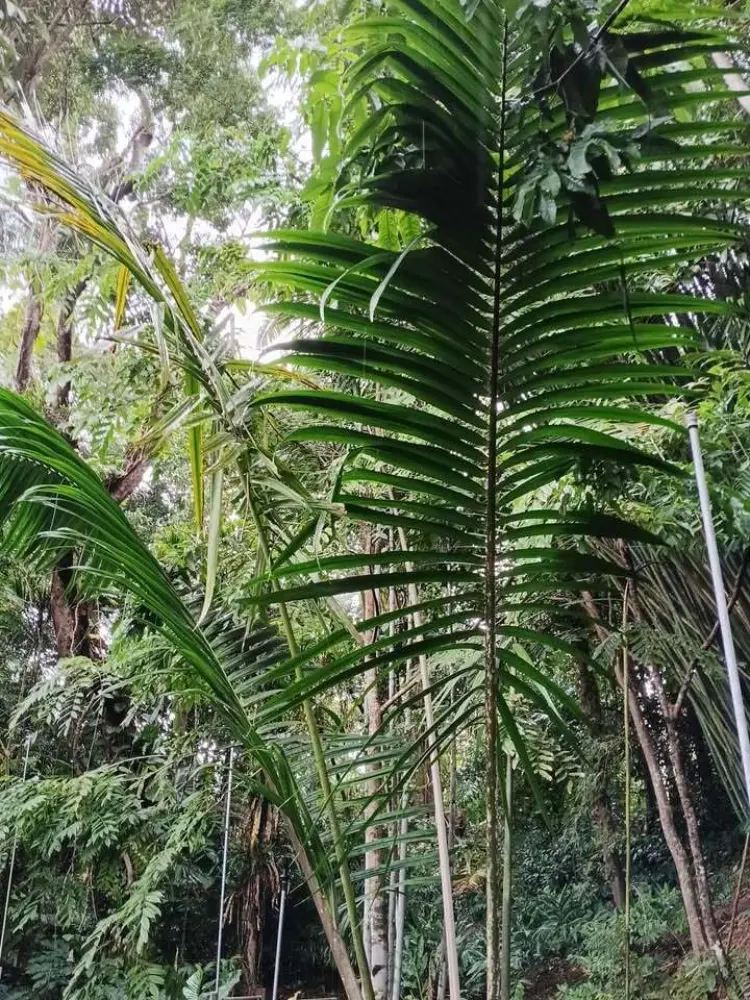
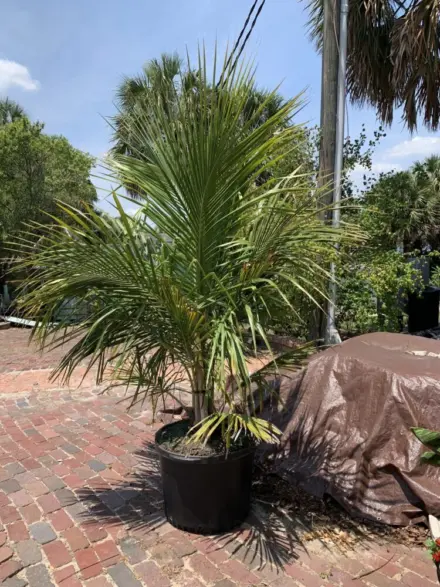
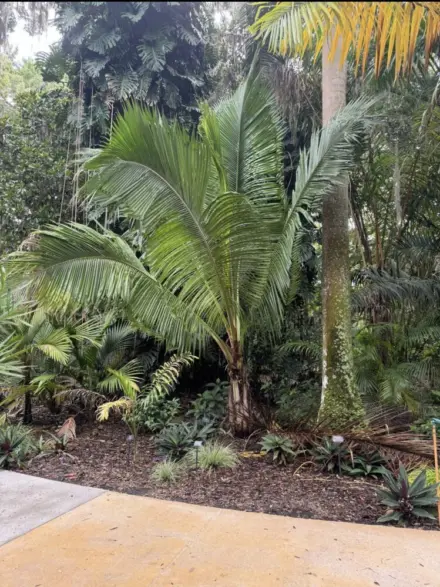
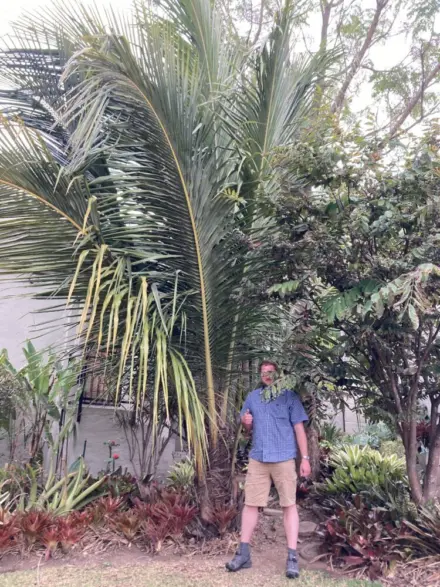
Beccariophoenix
Species:
Beccariophoenix alfredii, Beccariophoenix fenestralis, Beccariophoenix madagascariensis
Geographic origin: Madagascar
Dry to seasonally dry regions, producing palms strikingly similar to true date palms.
Botanists: Modern revision honoring Odoardo Beccari
Year described: 2008
Significance of the name:
Named for legendary palm botanist Odoardo Beccari, this genus includes some of the most convincingly date-palm-like palms outside Phoenix itself.
Historical Footnote: The First and Most Recent Phoenix Palm Species Described
The very first palm placed in the genus Phoenix under modern scientific classification was the Date Palm — Phoenix dactylifera. This species was formally described by Carl Linnaeus in Species Plantarum (1753), the foundational work that established the binomial system still used in botanical nomenclature today. Because P. dactylifera was the earliest described species and the most well-known palm of its time, it became the type species for the genus — meaning the name Phoenix is officially anchored to it in taxonomic reference.
The newest member of the Phoenix genus to be formally recognized is Phoenix roxburghii, a species distinguished from Phoenix sylvestris through recent taxonomic revision published in 2025. This palm has been named in honor of William Roxburgh, considered the Father of Indian Botany. It differs from P. sylvestris by its taller, solitary trunk, larger leaves and leaflets, musty-scented staminate flowers, and larger obovoid orange-yellow fruits, and is known from regions along India’s eastern coast and adjacent areas.
Today, Phoenix dactylifera remains the defining member of the genus and a natural point of reference for all later-described palms that share its broadly pinnate morphology and historical prominence.
Final Takeaway
These genera tell a clear story: Phoenix became the benchmark by which palms were understood for more than two centuries. Each reuse of the name reflects how botanists interpreted form, stature, and symbolism long before genetics entered the picture.
Palm taxonomy, at its best, is history — written in Greek and Latin.
If you have any ideas or suggestions or would like to contribute an article for a future blog post, please visit the Contact Us section of our website or follow the link below.