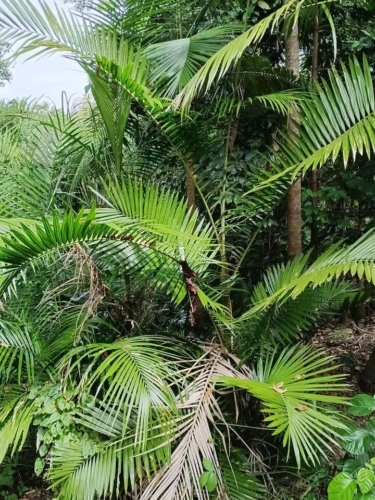
If you've been collecting palms for a while...
You may have noticed that some familiar scientific names have quietly disappeared from modern palm literature. One of the most significant examples is Daemonorops, a genus that once contained well over one hundred species of climbing rattans found throughout tropical Asia. Today, those same palms are recognized as members of the genus Calamus.
So what happened?
Did botanists simply decide to rename them? Not at all. The story of Daemonorops and Calamus is an example of how advances in science continue to reshape our understanding of the palm family.
Meet the Rattans
Unlike more traditional solitary or clustering palms that populate tropical landscapes, rattans are climbing palms.
Using long, whip-like stems armed with formidable hooks and spines, they scramble through rainforest canopies in search of sunlight. Some species can climb well over 100 meters (330 feet), making them among the longest palms on Earth. Beyond their ecological importance, rattans have tremendous economic value. Their flexible stems are harvested for furniture, baskets, walking sticks, handicrafts and countless other products throughout Southeast Asia. For generations, botanists recognized several genera of rattans, with Calamus and Daemonorops being among the largest.
Why Were They Originally Considered Different?
When Dutch botanist Carl Ludwig Blume established Daemonorops in 1830, he wasn't making an arbitrary decision. Nineteenth-century botanists classified plants almost entirely by their visible characteristics.
Among the features that appeared to distinguish Daemonorops were:
• Distinctive fruit with reflexed scales
• Species producing the deep red resin known as "dragon's blood"
• Subtle differences in flowers and inflorescences
• Fruit characteristics that seemed consistent across the genus
Meanwhile, species assigned to Calamus generally lacked these combinations of characteristics. Based on the knowledge available at the time, separating the two genera was entirely reasonable.
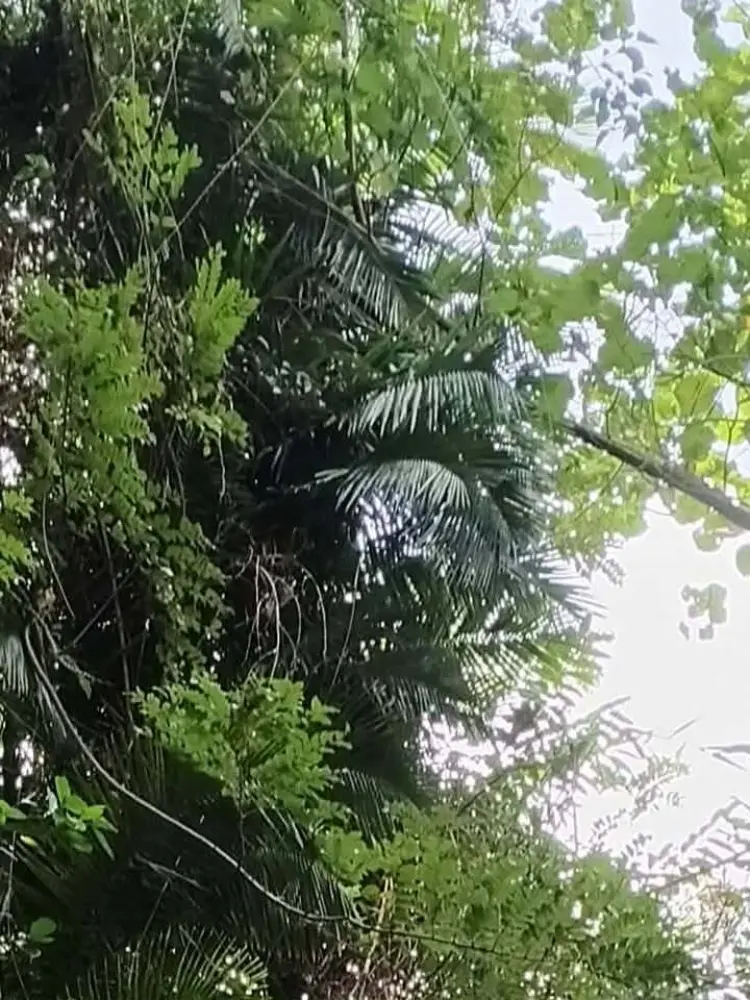
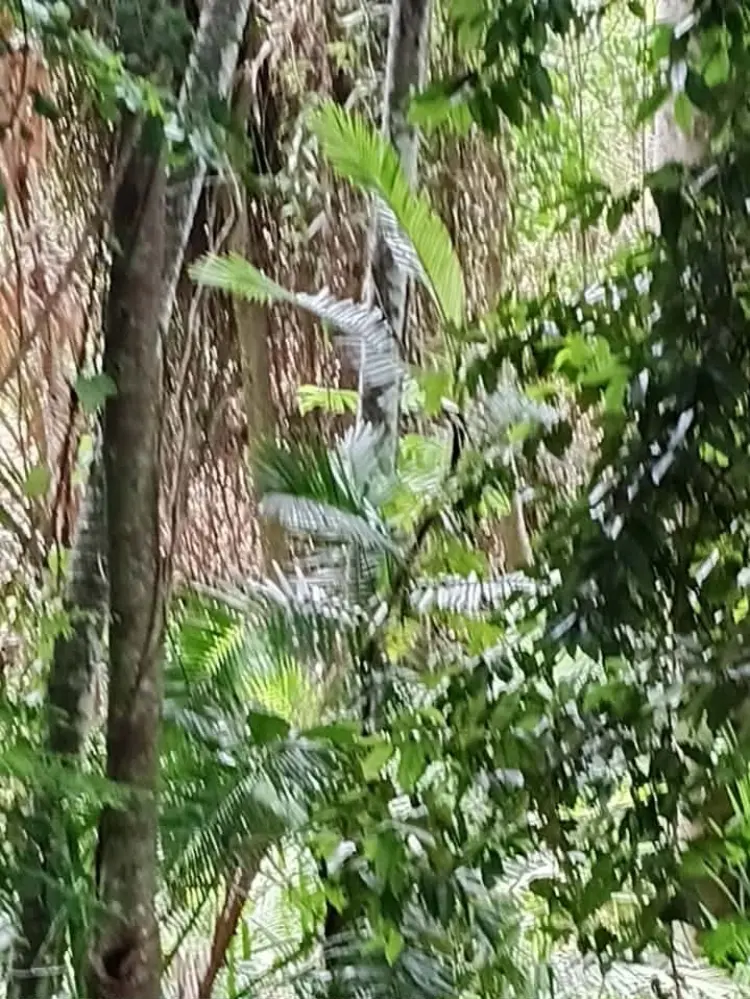
Calamus moti | Vicious Lawyer Cane, Yellow Lawyer Cane
Photos courtesy of David Parker
Then DNA Changed Everything
Beginning in the late twentieth century, botanists gained a powerful new tool. Instead of relying solely on appearance, they could compare DNA. One of the first major molecular studies involving rattans was published in 2000 by palm botanists William J. Baker, John Dransfield, and Timothy M. A. Hedderson. Their results were unexpected.
Rather than forming its own distinct branch on the palm family tree, species assigned to Daemonorops appeared scattered among species of Calamus. In other words...Daemonorops wasn't its own evolutionary lineage. It was actually embedded within Calamus.
A New Goal for Modern Taxonomy
Modern plant classification strives to recognize only monophyletic groups—groups containing a common ancestor and all of its descendants. If Daemonorops remained separate, Calamus would no longer represent a complete evolutionary lineage.
Botanists now faced two options:
1. Divide Calamus into numerous smaller genera.
2. Combine Daemonorops with Calamus.
After years of additional research, the second option proved to be the most logical and stable solution.
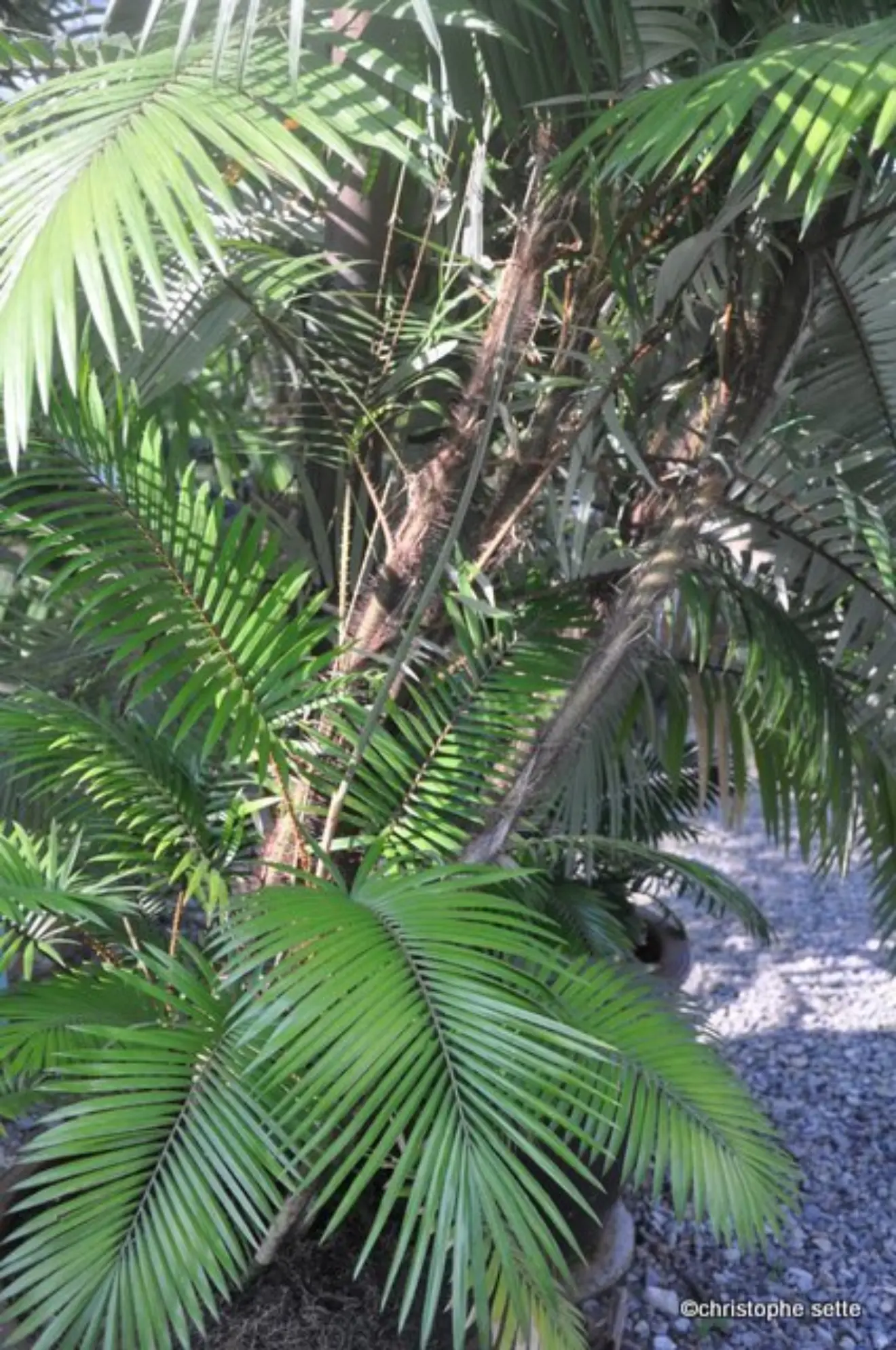
Calamus discolor var. discolor | Speckled Rattan
Photoo courtesy of Christophe Sette
The Scientists Behind the Change
Although the reclassification occurred over many years, several researchers played particularly important roles.
Carl Ludwig Blume (1830)
Established the genus Daemonorops using the best morphological evidence available at the time.
William J. Baker
One of the leading palm systematists whose molecular studies demonstrated that Daemonorops was nested within Calamus. Baker later co-authored the formal nomenclatural changes transferring former Daemonorops species into Calamus.
John Dransfield
Perhaps the world's best-known authority on rattans, Dransfield spent decades studying these remarkable climbing palms. His extensive fieldwork and taxonomic expertise were instrumental in understanding relationships among Asian rattans and implementing the revised classification.
Timothy M. A. Hedderson
Co-author of the landmark molecular phylogenetic study that first provided strong genetic evidence that the traditional boundaries between the two genera did not reflect their evolutionary history.
Andrew Henderson
In 2020, Henderson published a thorough revision of the expanded Calamus, examining more than 8,600 herbarium specimens and recognizing over 400 phylogenetic species. His work helped establish the modern concept of Calamus used today.
More Than Just Daemonorops
The revision was even broader than many palm enthusiasts realize.
Several former rattan genera were ultimately absorbed into Calamus, including:
• Daemonorops
• Ceratolobus
• Pogonotium
• Retispatha
As a result, Calamus became the world's largest rattan palm genus, with over 400 generally accepted species.
Former Scientific Name Current Accepted Name
Daemonorops sabut Calamus sabut¹
Ceratolobus concolor Calamus concolor
Pogonotium divaricatum Calamus divaricatus
Retispatha dumetosa Calamus dumetosus
The examples above represent just a few of the many species transferred into Calamus during the 2015 revision. In total, dozens of species from Daemonorops, Ceratolobus, Pogonotium, and Retispatha received new scientific names as part of the expanded genus concept proposed by William J. Baker.
¹ Note: In Andrew Henderson's 2020 revision, Calamus sabut was further treated as Calamus crinitus subsp. sabut, illustrating that taxonomy continues to evolve even after the 2015 merger.
What Does This Mean for Collectors?
The palms themselves haven't changed. Only their names have. For example, if you browse an older palm book, herbarium label or online discussion, you'll still encounter names like:
Daemonorops sabut
Modern references now recognize this same species as:
Calamus sabut
Both names refer to the same remarkable palm. Understanding these synonymies makes it much easier to navigate decades of palm literature.
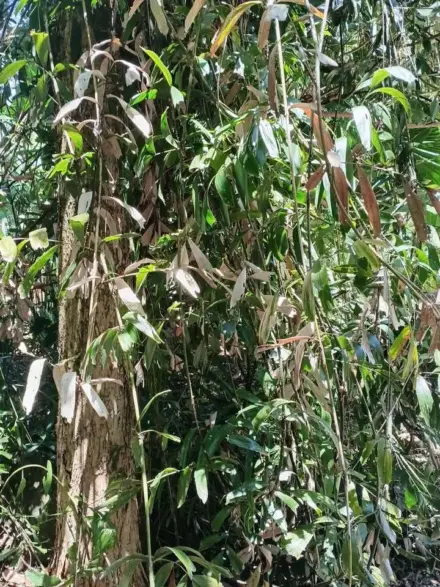
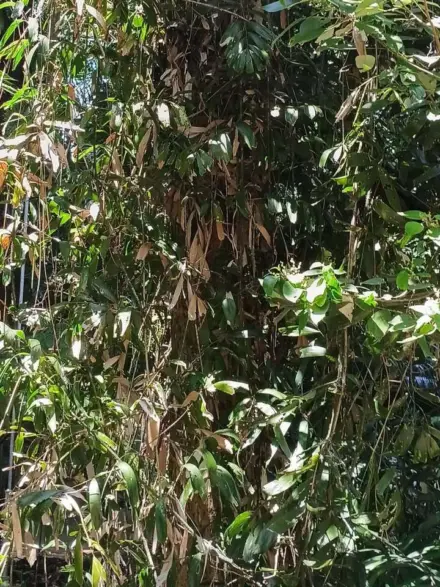
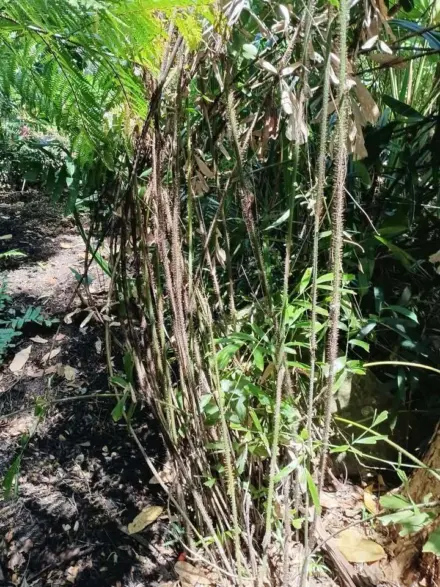
Calamus caryotoides | Fishtail Lawyer Cane
Photos courtesy of David Parker
Science Never Stops
The story of Daemonorops reminds us that taxonomy isn't about changing names for the sake of change. It is an ongoing effort to better understand how palms evolved over millions of years. As DNA technology continues to improve, our understanding of palm relationships will undoubtedly continue to evolve.
Recent changes involving genera such as Dypsis, Chrysalidocarpus, Lytocaryum, Syagrus, Kentiopsis, and Chambeyronia demonstrate that the palm family still has many stories left to tell.
A New Project Palm Series
This article is the first installment in a new series exploring major reclassifications within the palm family: "What's in a Name?"
Future articles will examine:
• The breakup of Dypsis
• Why Lytocaryum became part of Syagrus
• The relationship between Kentiopsis and Chambeyronia
• Other fascinating examples of how modern science continues to reshape palm taxonomy
Continue Your Palm Journey
We invite you to continue exploring in the Species Library, where you'll find over 900 palm species from around the world, complete with descriptions, cultivation tips, and thousands of photographs generously shared by members of the global palm community.
Our library continues to grow as we research, write, and publish new species descriptions on a regular basis. And you can help.
Do you grow a particular species of Calamus?
Have you traveled to an area and photographed one in habitat?
Have you visited a botanical garden with one on display?
If so, we'd love to showcase your images.
Simply create a free Project Palm account and upload your photographs to help build one of the world's most comprehensive online resources dedicated to the palm family. Together, we can document the incredible diversity of Calamus—one species, one photograph, and one story at a time.