Introduction
Palm enthusiasts are always searching for places where their passion comes to life—and few places embody that spirit quite like the Palmetum de Guyane. Located in the heart of French Guiana, this remarkable collection is the result of years of dedication, experimentation, and an unwavering commitment to palms.
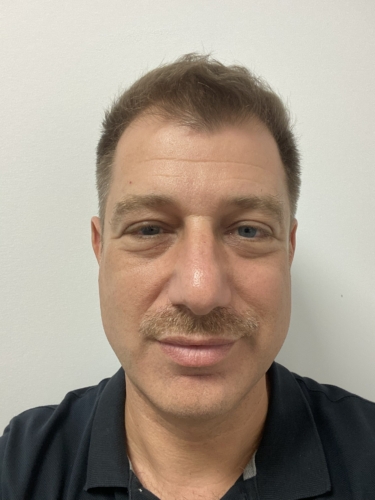
At the center of it all is Pierre-Olivier Albano, the curator and driving force behind the Palmetum. Over the years, he has not only built one of the most unique palm collections in the world, but has also generously contributed dozens of stunning palm photographs to the Project Palm community—helping expand our shared understanding of species from across the globe.
In this exclusive interview, we spoke with Pierre-Olivier about his journey—from discovering palms as a teenager to building a thriving equatorial collection—along with the challenges, discoveries, and ambitions that continue to shape the Palmetum today.
Project Palm (PP): Thanks very much for taking the time to do this interview! We are excited to learn about your background, your passion for palms and Palmetum de Guyane.
Pierre-Olivier Albano (POA): Thank you, it’s a real pleasure for me as well. I’m very glad to have the opportunity to share my experience and my passion for palms with your community.
PP: Great, let’s get started! To begin, could you tell us a little about yourself? Where are you originally from, where have you lived, and what educational or professional experiences eventually led you toward creating the Palmetum de Guyane?
POA: I was born in Paris, but my family moved to Montpellier in the south of France when I was seven, which is where I grew up and completed my studies. Montpellier has a rich academic and botanical tradition, and its botanical garden—founded in 1593—is the oldest in Europe still in operation.
From an early age, I developed a strong interest in nature, particularly entomology. Since insects are closely connected to plants, this curiosity naturally led me toward botany, and eventually to palms.
I initially studied pharmacy with the intention of working in research on natural substances. Over time, however, I found myself more interested in the industrial side of the field, which led me to also attend business school in Dijon.
During my fifth year of university, I had the opportunity to work at a hospital in Saint-Pierre on Réunion Island. This was my first true experience living in the tropics, and it left a lasting impression that would influence many of my future decisions.
I went on to spend about ten years working in the pharmaceutical industry in southern France, including roles in Castres and Nice. Eventually, I realized I wanted a different path—one where I could be my own boss and fully pursue my passion for palms.
This led me to make a major life change and move to the tropics. Although I originally planned to return to Réunion Island, I ultimately settled in French Guiana—somewhat unexpectedly.
French Guiana is often overlooked among French overseas territories, partly due to its humid equatorial climate and its historical association with penal colonies. However, it is now a rapidly developing region, supported in part by the European Space Agency space center in Kourou, which has created strong economic opportunities.
After evaluating the market, I obtained authorization to open a pharmacy in a growing town near Cayenne. Since then, I have focused on developing this business alongside other ventures in the pharmaceutical sector.
By establishing a long-term professional foundation in French Guiana, I was finally able to pursue my passion for palms—laying the groundwork for what would become Palmetum de Guyane.
PP: Do you remember when you first became interested in palm trees? Was there a particular moment, place, or species that sparked that fascination?
POA: Yes—there was a very clear turning point. I was 17, spending a summer holiday in Spain with my parents in the Calpe area, between Valencia and Alicante—a region well suited to palm trees.
One afternoon, while everyone else was resting, I was by the pool when my attention was suddenly drawn to a magnificent palm rising above a neighboring garden. I didn’t yet know it was Washingtonia robusta, but it felt like a revelation. I remember thinking: what a strange and extraordinary plant—so elegant.
I began scanning the horizon and quickly realized there were palms everywhere—and many different kinds. It was as if I was seeing them for the first time. The rest of the holiday became a kind of personal investigation: how many species could I find, what were their names, and where did they come from?
During that trip, we also visited the botanical garden in Valencia, where I discovered dozens of unfamiliar palm species in a historic setting. That experience deepened my curiosity even further.
When I returned home to Montpellier, I started noticing palms there as well and began cataloging them. This was in 1989—before the internet—so finding reliable information was difficult. Even local nurseries had limited knowledge.
I eventually went to the largest bookstore in the city in search of a book on ornamental palms. There were none available in French. The only option was to order a recently published book from Australia—Palms & Cycads Around the World by Jack Krempin. After three months of waiting, I finally had it in my hands.
That same year, I came across a small advertisement announcing the creation of a French palm enthusiast association called Fous de Palmiers—which translates to “Crazy about Palms.” It was reassuring to discover I wasn’t alone, and I joined immediately.
Twenty-three years later, I would become its president—and remain in that role for ten years.
PP: How did the idea for the Palmetum de Guyane first come about? When did the garden begin, and how has it evolved over time?
POA: The idea of creating a garden dedicated to palms had been on my mind since my first stay on Réunion Island. Once my professional life in French Guiana became stable, I began searching for land where I could bring this vision to life.
In 2010, I purchased a one-hectare plot not far from my home. It had sandy soil that seemed well suited to palms, and I immediately began developing it—clearing the land, installing drainage, and planting as many species as I could find. I visited local nurseries, sourced seeds and seedlings online, and even set up a small shade house at home to grow young palms before transplanting them.
In the early years, progress was rapid. Whenever I had the opportunity, I traveled to collect new species and enrich this arboretum dedicated to palms, which quite naturally came to be known as the “Palmetum.” Those early years of planting were extraordinary, everything seemed possible. The combination of heat, humidity, and organic soil allowed many species to grow quickly. However, maintenance soon became a major challenge, as weeds thrived just as aggressively, and labor costs in French Guiana are relatively high.
A turning point came in 2017, when I discovered a call for projects supported by the European Union aimed at developing tourism in the region. I decided to apply with the idea of transforming what had become an informal palm collection into a true botanical garden.
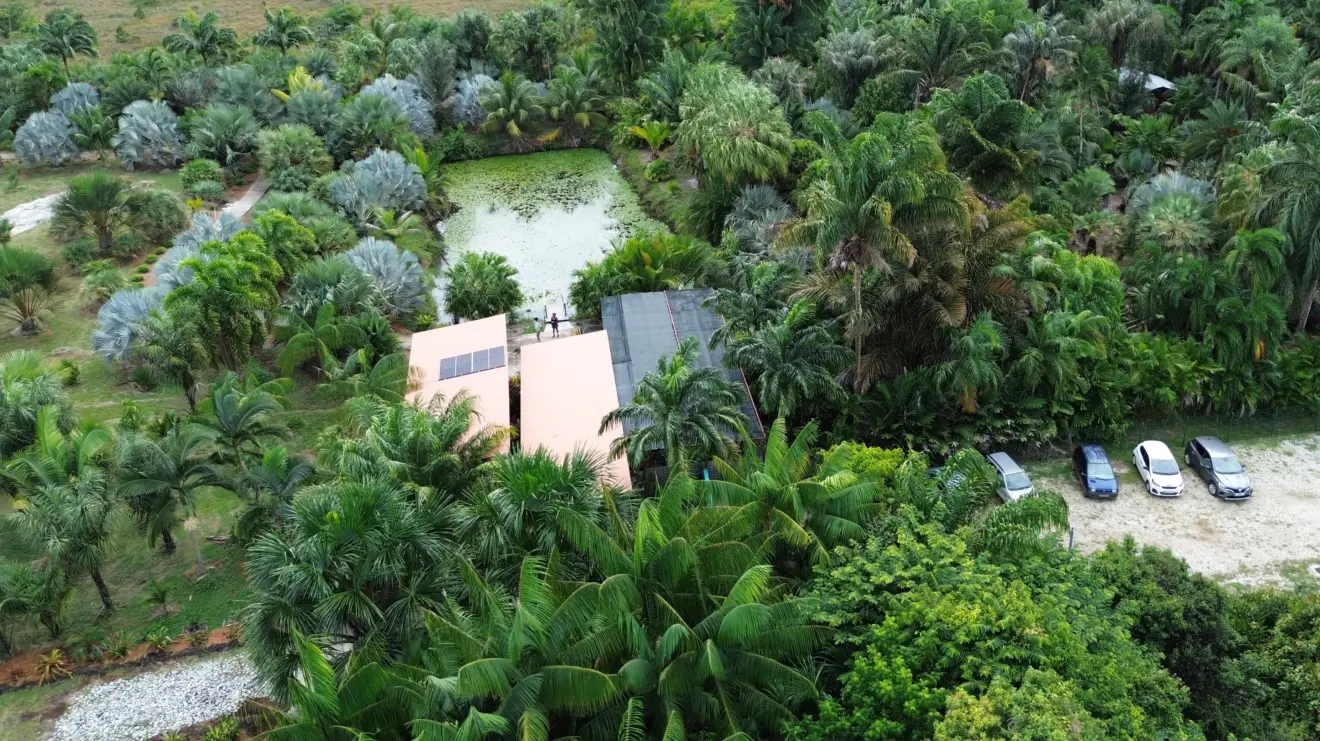
The project was accepted on the condition that it be expanded. I acquired an additional three hectares of neighboring land, and with support from public institutions and private partners, development began. The investment funded major infrastructure improvements, including water features, visitor facilities, and nearly one kilometer of pathways to make the garden accessible.
The process took six years, delayed in part by the COVID-19 pandemic and administrative challenges. In early 2023, Palmetum de Guyane officially opened to the public.
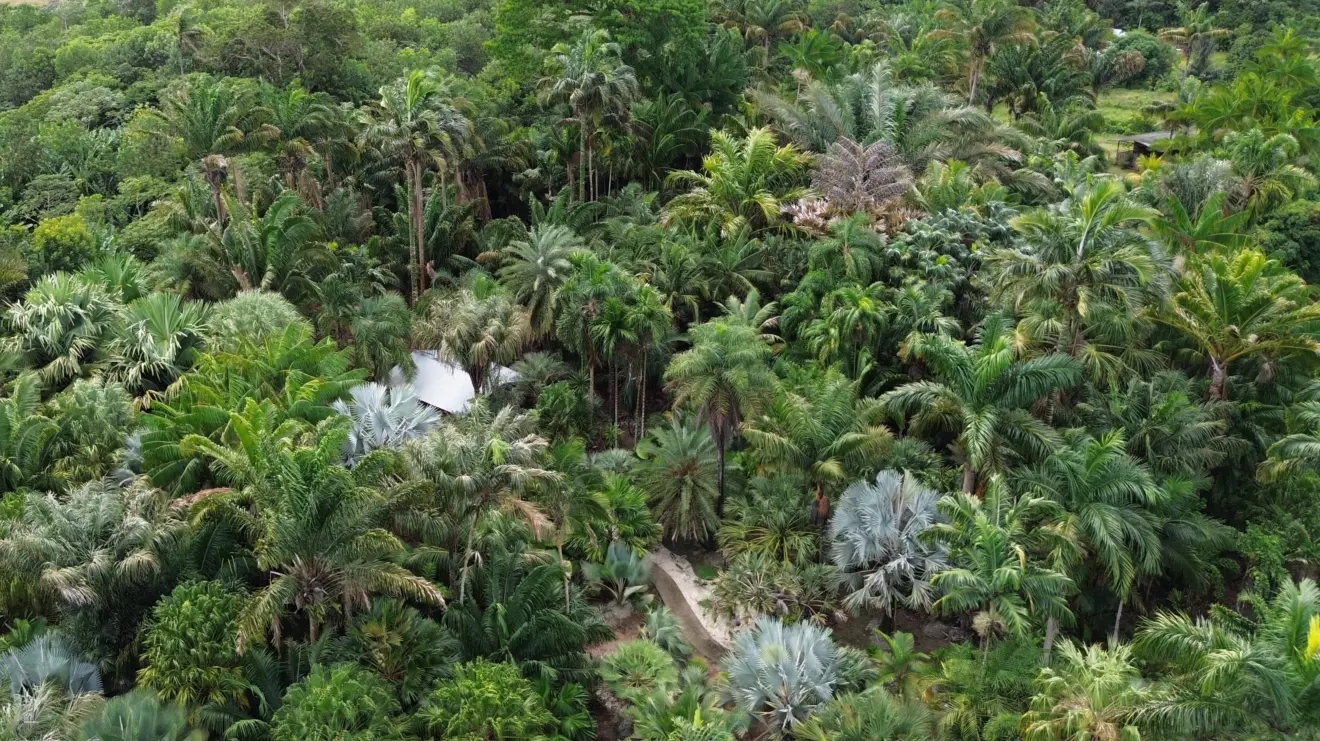
Today, the garden includes more than 850 palm species, all carefully documented. I regularly lead guided tours, sharing not only botanical information but also the cultural, historical, and ecological significance of palms around the world. It is incredibly rewarding to see visitors connect with that passion.
There are still challenges. Access to the garden requires traveling a two-kilometer track that is difficult to maintain, and tourism in French Guiana remains limited. Most visitors are local, and achieving financial sustainability is an ongoing effort.
Despite this, the Palmetum has grown into something I am truly proud of—a living collection that continues to evolve and improve over time.
PP: The Palmetum is now home to an extraordinary number of palm species. How did you begin assembling the collection, and what were some of the early challenges?
POA: Building and maintaining a palm collection in French Guiana presents significant challenges. While the humid equatorial climate allows for a wide range of species, the reality is far more complex.
Rainfall is extremely heavy and unevenly distributed throughout the year, creating cycles of intense humidity followed by sudden dry periods. Palms must adapt quickly to these shifts, and many struggle. Fungal diseases are also common in such consistently wet conditions.
Soil quality is another major issue. The soils of the Guiana Shield are among the oldest in the world and have been heavily leached by acidic rains over time, leaving them extremely poor in nutrients. When I had the soil analyzed, I found it was completely lacking in essential elements such as calcium, which is critical for plant development.
In the first few years after clearing the land, growth was strong due to remaining organic matter. But after about three years, the soil became exhausted. Palms weakened, deficiencies appeared, and many early plantings—especially species from volcanic or calcareous regions—began to decline or die.
Unlike traditional Amazonian agriculture, where land can be abandoned and new plots cleared, this was not an option. I needed to find a sustainable way to restore the soil.
Because imported fertilizers are expensive and easily washed away, I turned to locally available materials. Sawdust, which is abundant and free, proved effective as mulch. I also experimented with concrete wash residues, a sandy material rich in cement (and therefore calcium), which does not harden into a solid mass. Its highly alkaline pH and its texture make it particularly useful for improving soil aeration and correcting acidity. These methods were initially met with skepticism, but after comparative trials, the results were clear: the palms responded very well. Growth resumed, and losses decreased significantly.
There are, of course, ongoing challenges with pests, diseases, and the constant pressure of weeds in a tropical climate. Maintenance alone—such as clearing fallen fronds—requires continuous effort.
Ultimately, the success of the collection depends on improving soil conditions and maintaining the garden over time. That remains the foundation of everything we do.
PP: Do you have a favorite palm species in the collection? If so, what makes that species especially meaningful or interesting to you?
POA: I am not a professional botanist and have never formally described a new species. However, over the years, I have occasionally come across palms that did not seem to be known at the time.
For example, I noticed an unusual Sabal in Curaçao in 2015. I was not surprised to learn that Sabal antillarum was formally described as a new species two years later. In 2017, along the Rio Negro near Manaus, I observed a distinctive Mauritiella, which was later described as Mauritiella disticha in 2021. While I was not involved in their formal discovery, I still feel a personal connection to these species. Today, they are part of our collection, though still in early stages of growth.
One experience, however, stands out.
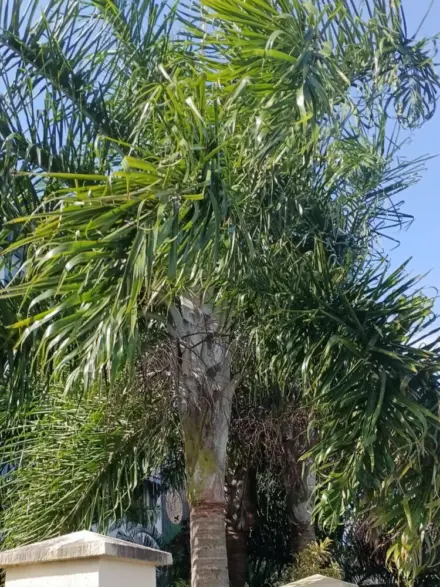
In 2023, I traveled to Madagascar with family, following a route from Antananarivo to the northwest. It was primarily a leisure trip, and palm exploration was not the focus. Along the way, we encountered several well-known species, including Chrysalidocarpus decipiens, Chrysalidocarpus madagascariensis, Hyphaene coriacea, and vast populations of Bismarckia nobilis.
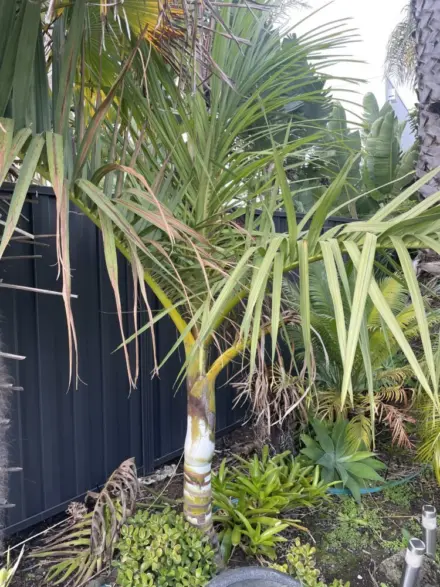
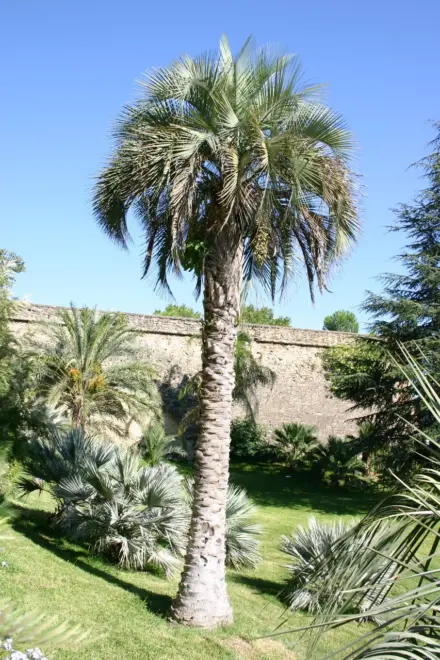
Near the Ambilobe region, I noticed a remarkable palm planted beside a house. It had a thick trunk and crownshaft similar to Chrysalidocarpus prestonianus, with gracefully recurved leaves reminiscent of Butia yatay. It was immediately clear that this palm did not match any known species for the region.
Photographs, GPS data, and seeds were later shared with specialists of Malagassy palms, confirming that it likely represented an undescribed species. However, it still needed to be located in the wild, as the observed specimens were cultivated.
A year later, I returned to the region with fellow palm enthusiasts, determined to find it in its natural habitat. After an extensive search, we succeeded—the species does exist in the wild, hidden in the mountains of that region!
It is now up to botanists to formally describe and publish this remarkable palm. In the meantime, a few seedlings collected during that trip are now growing at the Palmetum. Seeing them develop brings me great joy, and I hope to bring them to maturity, as their ornamental potential seems remarkable to me.
PP: Is there a particular palm in the Palmetum that has an especially interesting story behind it—perhaps one that was difficult to obtain or especially rewarding to grow?
POA : There are many rare and difficult-to-obtain species in the garden, gathered through travel, exchanges, collaborations, and sometimes extraordinary luck. Each has its own story—enough to fill a book.
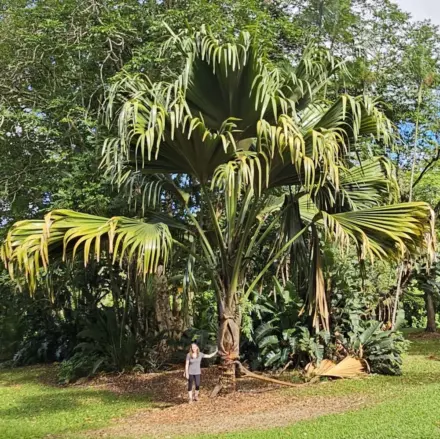
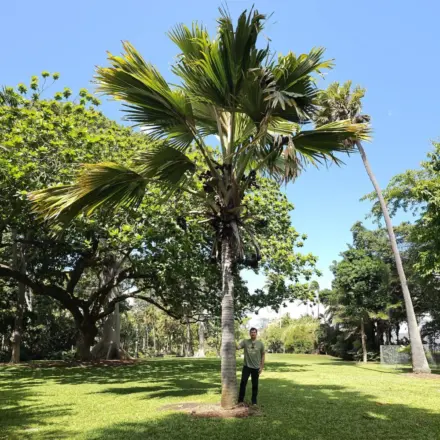
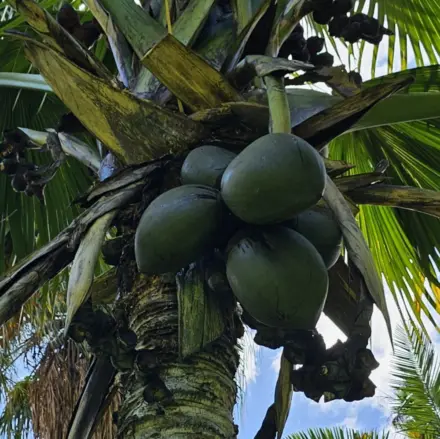
Among them, I maintain a group I consider “strategic” species. These are palms that require special care because it would be extremely difficult, if not impossible, to replace them. This includes species such as Satranala decussilvae, Barcella odora, Sclerosperma profizianum, Tahina spectabilis, and especially the coco de mer, Lodoicea maldivica.
For any palm enthusiast, the coco de mer is something of a Holy Grail.
When I began creating the garden, I immediately set out to acquire one. I contacted the government of the Seychelles and reached out through personal connections, but the answers were always polite—and always negative.
So I expanded my search globally. A few botanical gardens and private collectors are known to produce these remarkable seeds, and one name kept coming up: Nong Nooch Tropical Garden in Thailand.
In 2019, I had the opportunity to visit and meet its owner, Kampon Tansacha, along with his team, including Anders Lindström. After a day together, Kampon—fully aware of my search—simply said: “You want a coco de mer? All right. Anders, give him a coco de mer.”
It was a surreal conversation and a moment I will never forget.
Of course, bringing such a seed back to French Guiana is not simple. Strict regulations apply, requiring extensive documentation, including phytosanitary certifications and CITES permits. Some of the requirements initially seemed nearly impossible to fulfill.
But persistence—and passion—made the difference. As my botany professor in Montpelier used to say, “Nothing is insurmountable; it all depends on the energy you put into it.” So, with support from the authorities and invaluable help from Anders in Thailand, the necessary approvals were eventually secured.
One morning, after all the effort, the seed finally arrived on my desk.
Now comes the most critical phase: successfully growing it. With a palm like this, there is no room for error.
PP: French Guiana is one of the richest places in the world for palm diversity. Are there native species that you feel are especially remarkable or underappreciated?
POA: Nearly 60 species of palms have been recorded in French Guiana, which is remarkable given the relatively small size of the territory. This diversity is largely explained by its humid equatorial climate.
That said, diversity could be even greater if the soils were richer and the topography more varied. Much of the region consists of low-lying hydromorphic soils and lateritic hills that rarely exceed 850 meters in elevation, meaning there is no true montane palm flora.
One of my goals with the Palmetum is to bring as many native species as possible into cultivation, although this is quite challenging. Many understory palms are highly specialized and difficult to grow outside their natural habitats. For example, some are restricted to well-drained ferralitic soils in the interior, while the Palmetum sits on a coastal plain with heavier, less suitable soils.
Fortunately, there are a few standout species that are both distinctive and more adaptable, such as Geonoma oldemanii, Asterogyne guianensis, and Bactris nancibaensis, all of which feature elegant entire leaves.
Among the larger palms, I am particularly fond of Oenocarpus bataua, Manicaria saccifera, and Acrocomia aculeata. And of course, Mauritia flexuosa—which I would consider the “king of palms” in Amazonia.
Despite their diversity and ornamental potential, relatively few of these native species are easy to cultivate. Most grow slowly and are adapted to extremely poor, acidic soils, making them challenging but rewarding additions to the collection.
PP: Many of our readers grow palms themselves. Do you have any general advice that applies broadly to successfully growing and caring for alms?
POA: There are two key factors to understand before starting a palm collection: climate and soil.
Climate is largely beyond our control, but it’s essential to understand its extremes—whether in temperate regions, the tropics, or equatorial environments, where the challenges are different again.
Soil, on the other hand, can often be improved. A clear understanding of its composition allows for targeted adjustments, making site selection and soil management critical to long-term success.
These factors quickly bring growers back to an important reality: no matter how passionate we are, we cannot grow everything.
Here at the equator, for example, it is very difficult to cultivate species from temperate climates, high elevations, or dry regions. On the highly acidic, water-retentive soils of the Palmetum, palms from calcareous or volcanic environments often struggle due to poor drainage, nutrient deficiencies, or unsuitable pH.
In the end, the best approach is to focus on species that are native to your region—or that thrive in similar conditions elsewhere in the world. There is already a tremendous diversity to explore within those limits, even if those species can sometimes be more difficult to source.
PP: What are some current projects or priorities at the Palmetum de Guyane that you are particularly excited about right now?
POA: After more than 15 years of experience—including many successes, but also significant losses—I’ve shifted my focus. Rather than trying to grow as many species as possible, I now concentrate on those best suited to the local conditions, whether native to French Guiana or not. Even within this more focused approach, there is still a great deal to explore and discover.
Maintaining a four-hectare palm garden in a humid equatorial climate requires constant work. At the same time, labor costs in French Guiana are comparable to those in mainland France, which makes operations more challenging. For this reason, generating income has become essential.
Opening the garden to the public on weekends is a key part of that strategy. My goal is to attract more visitors and generate revenue through admissions, guided tours, and plant sales, helping the Palmetum move toward financial sustainability. This remains a challenge in a region that is not a major tourist destination, but these efforts are already making an important contribution.
Looking ahead, my long-term vision is to gradually transform the Palmetum into a fully developed landscape park—one that combines botanical richness with curated design, educational displays, and artistic elements. I am particularly inspired by the work of Roberto Burle Marx, whose garden in Rio de Janeiro left a lasting impression on me.
PP: Looking to the future, what are your hopes for the Palmetum and for the broader appreciation of palms around the world?
POA: The role of botanical gardens and specialized collections is becoming increasingly important in the face of accelerating biodiversity loss. While they can never replace conservation in natural habitats, they play a valuable role in preserving species that might otherwise be lost.
We have already seen this with species such as Tahina spectabilis, where cultivation has contributed to their survival.
Looking ahead, I believe it is essential for botanical gardens and private collections to work more closely together—sharing plant material, knowledge, and expertise. Stronger global collaboration could significantly improve conservation outcomes.
One idea would be to establish an international certification system to recognize high-quality plant collections. Some national programs already exist, but a global standard could help connect and encourage collectors at all levels.
Organizations such as the International Palm Society could potentially play a role in developing such a framework, with different levels of recognition to support both experienced collectors and newcomers.
Ultimately, I hope the Palmetum de Guyane will become part of this broader network—contributing to both the conservation and appreciation of palms around the world.
PP: For palm enthusiasts who may travel to French Guiana, what should they know about visiting the Palmetum? What can visitors expect to experience?
POA: It’s important to place the Palmetum in context. This is the work of a passionate individual—not a large institution or a privately funded botanical garden. I’m not trying to compete with the world’s great tropical gardens, but rather to create something meaningful with the resources and energy available to me.
One of the most unique aspects of the Palmetum is its location. It is one of the few palm collections situated at the equator, which creates very different growing conditions compared to most botanical gardens in temperate or tropical regions.
The collection itself is also a highlight, with over 850 palm species in cultivation. In particular, I believe we have one of the strongest collections of Amazonian palms. That said, not all species thrive equally—palms from regions such as Madagascar or New Caledonia often perform better in places like Réunion or Hawaii.
Visitors can currently explore the garden on Saturdays and Sundays from 9 a.m. to 5 p.m. Guided tours are offered by reservation, and group visits can be arranged during the week by appointment.
For the most up-to-date information, including hours and booking details, visitors are encouraged to check the official website before planning their visit: www.palmetumdeguyane.fr
PP: As we close this incredible discussion, is anything closing thoughts you would like to share with the Project Palm community?
POA: Living one’s passion is one of the most wonderful things there is. It transcends us and enables us to achieve great things. I wish all palm enthusiasts around the world the opportunity to live their dream to the fullest!
PP: Thank you again for taking the time to share your story and insights with us. We truly appreciate your contributions to Project Palm and wish you continued success with Palmetum de Guyane.
POA: Thank you very much. It was a pleasure to speak with you, and I wish continued success with Project Palm as well. I look forward to following its growth and the contributions of the community.
Inspired by Pierre-Olivier Albano’s work at the Palmetum de Guyane? Explore more destinations like this in our new Where the Palms Are section, where we highlight botanical gardens and palm collections from around the world.