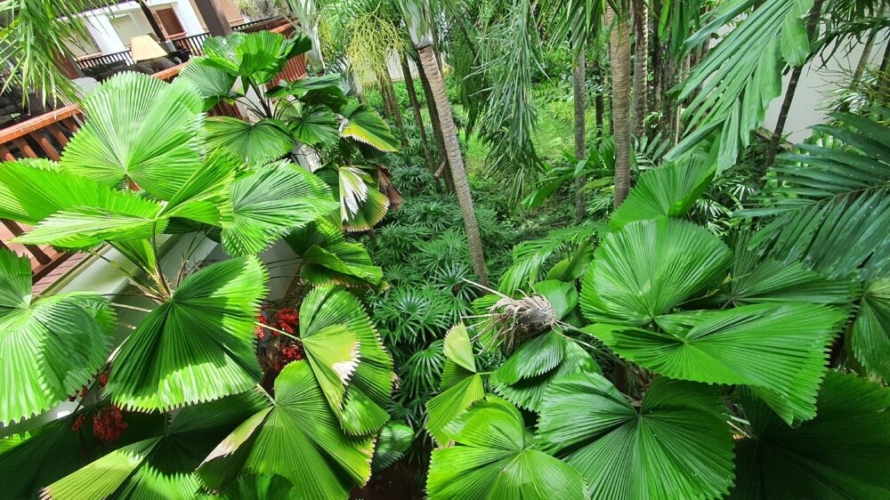
Palm genera are often thought of as having a “signature look” — a familiar shape, leaf form, or growth habit that makes them easy to recognize at a glance. In some cases, that expectation holds true, with genera such as Pritchardia, Sabal, and Phoenix maintaining a relatively consistent form across most of their species. In reality, however, some genera quietly defy that expectation, containing species so different from one another that they could easily be mistaken for entirely unrelated palms. These are the genera where evolution, geography, and adaptation have produced remarkable diversity under a single name.
Licuala is one of the best examples.
At first glance, Licuala palms appear to follow a simple rule: elegant, fan-shaped leaves and compact tropical forms. Look closer, however, and the genus quietly explodes with variety — from perfectly circular fans to jagged, deeply divided leaves, towering giants to delicate understory palms. Few palm genera challenge expectations the way Licuala does, proving that extraordinary diversity can exist within a single name.
How Diversity Takes Shape in Palms
Within Licuala, differences go far beyond subtle variations in size or color. Species can differ dramatically in leaf segmentation, overall stature, growth habit, and even the way the leaf attaches to the petiole. Some form tight, symmetrical crowns ideal for collectors, while others develop massive leaves or rugged clustering habits more typical of landscape palms.
To illustrate just how wide this spectrum can be, the following ten Licuala species highlight the genus at its most diverse — each one showcasing a form, structure, or growth pattern that sets it apart from its relatives.
Top 10 Most Visually Diverse Licuala Species
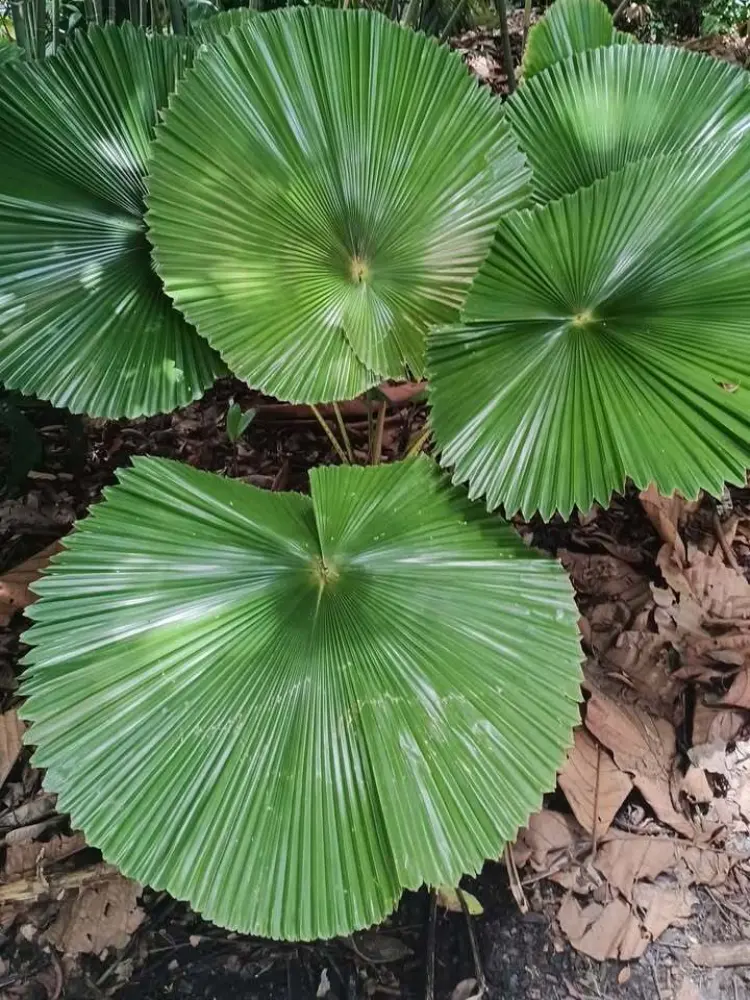
1. Licuala grandis
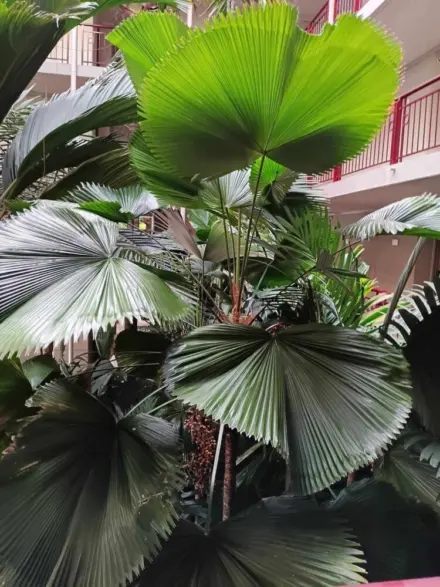
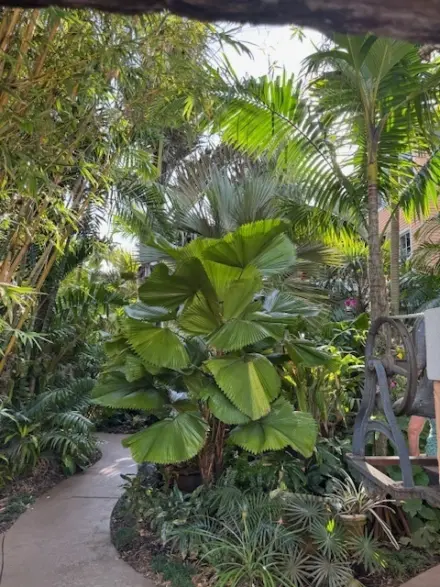
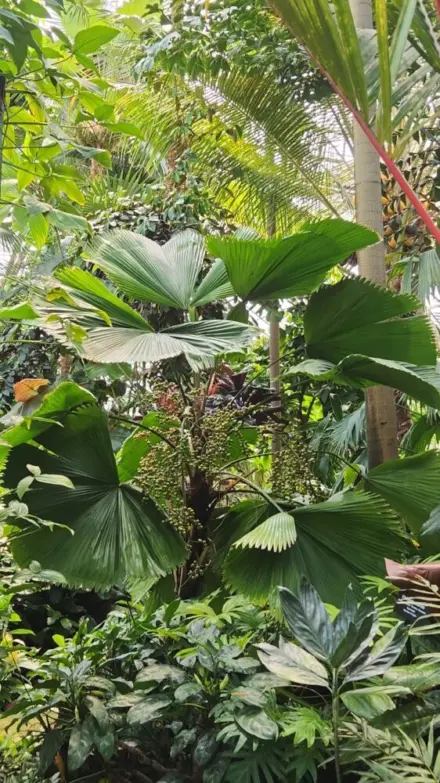
Native to Vanuatu, this species typically reaches 6–10 ft (1.8–3 m) at maturity and is among the most widely cultivated members of the genus. It is instantly recognizable for its nearly perfect circular, heavily pleated leaves, a form unmatched by most other fan palms. Because of its wide cultivation and instantly recognizable form, Licuala grandis has become the visual benchmark for the genus, often serving as the reference point against which other Licuala species are compared.
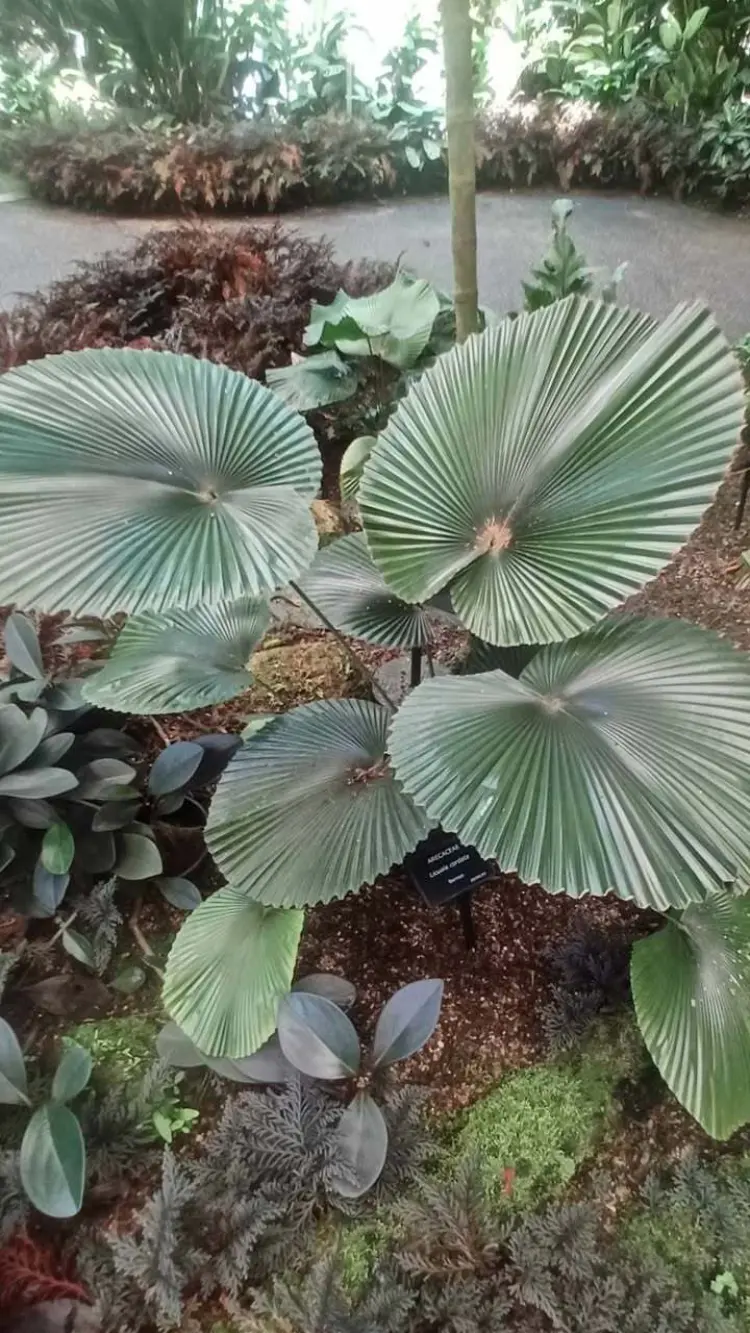
2. Licuala cordata
Endemic to Borneo, this compact Licuala grows to about 6–8 ft (1.8–2.4 m) and remains rare in cultivation. Its defining feature is its distinct heart-shaped leaf segments, creating a silhouette unique within the genus.
3. Licuala mattanensis
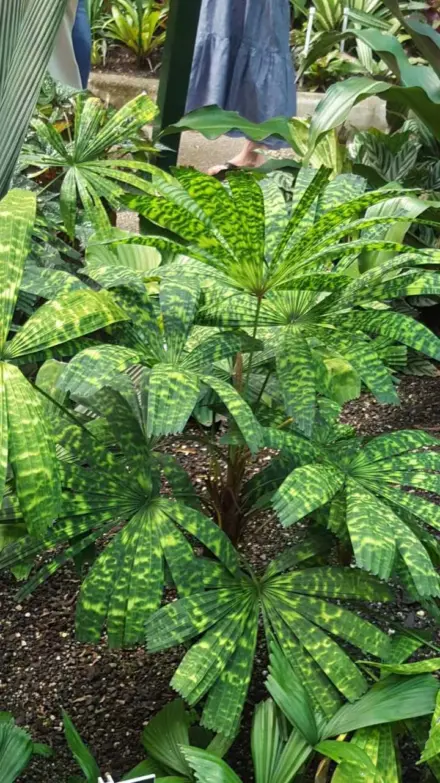
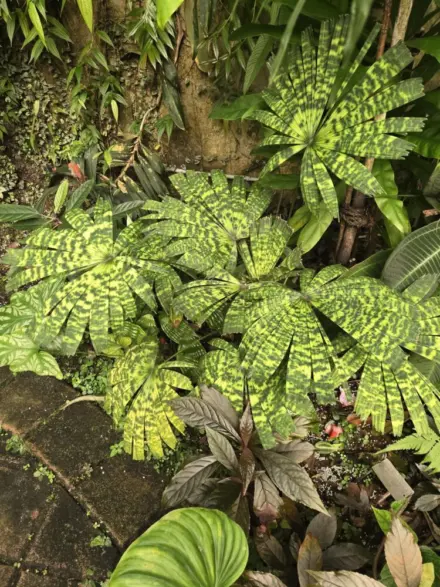
Native to Borneo, Licuala mattanensis is a slow-growing understory palm reaching 8–12 ft (2.4–3.6 m) at maturity, with notable variation expressed across two recognized varieties. Var. mattanensis displays numerous, deeply divided segments with pronounced pleating that creates a bold, geometric surface pattern across the leaf, while var. paucisecta produces fewer, broader segments with the same strongly sculpted texture, resulting in a more open fan that still retains the species’ signature patterned appearance.
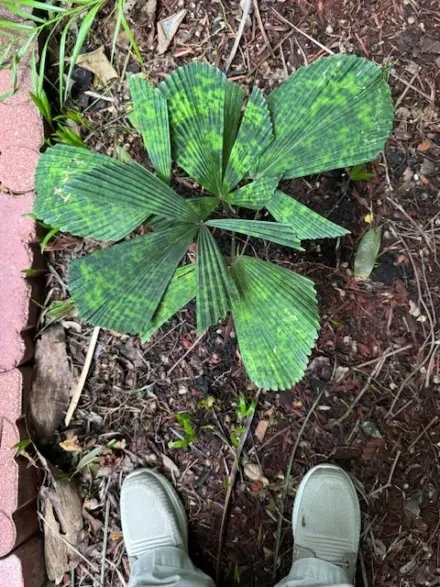
4. Licuala spinosa
Native to Thailand and Cambodia, this species can grow 10–15 ft (3–4.6 m) and forms dense clumps over time. Unlike most Licualas, it features spiny petioles and a tougher, more utilitarian growth habit, setting it apart both visually and structurally.
5. Licuala ramsayi
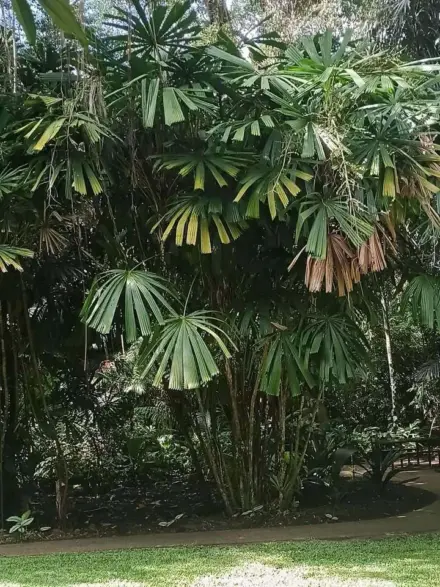
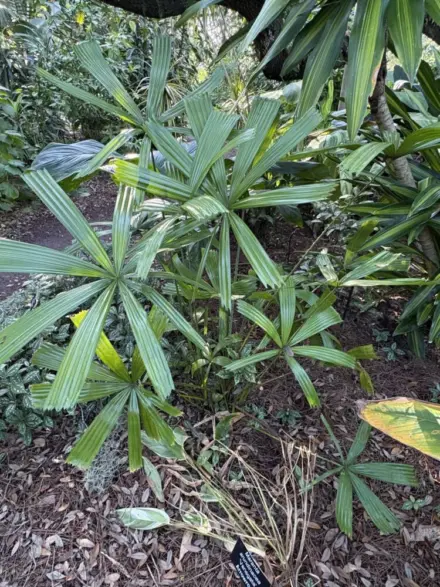
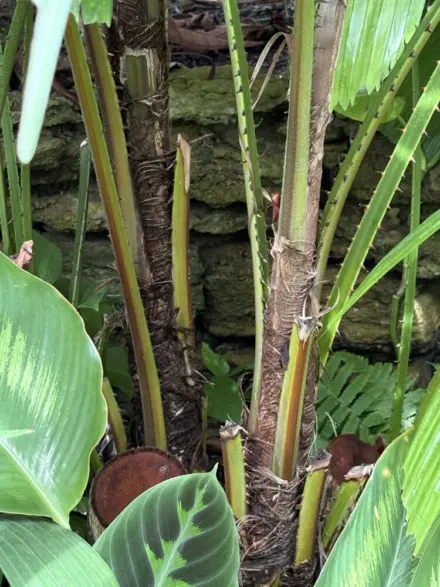
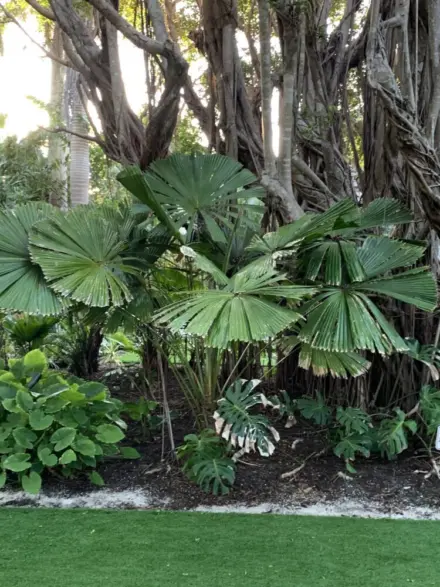
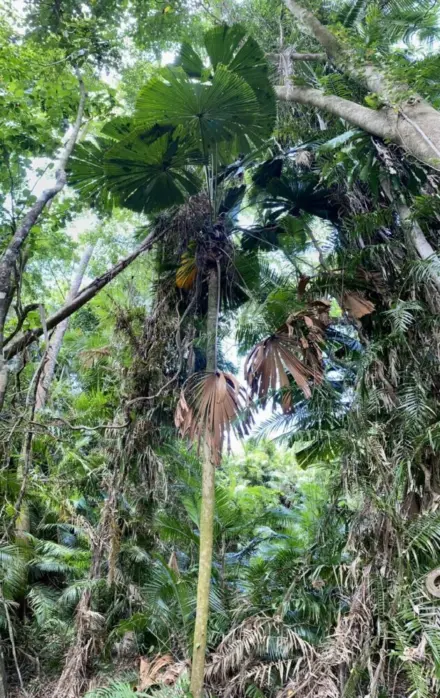
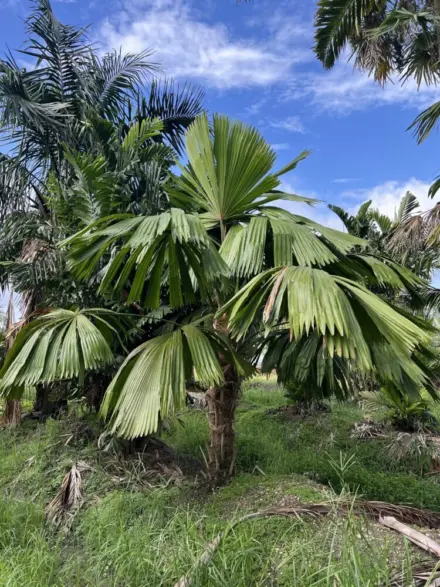
Endemic to northeastern Australia, this is one of the largest Licuala species, reaching 20–30 ft (6–9 m) at maturity. Its massive leaves and thick petioles give it a bold, architectural presence rarely associated with the genus.
6. Licuala triphylla
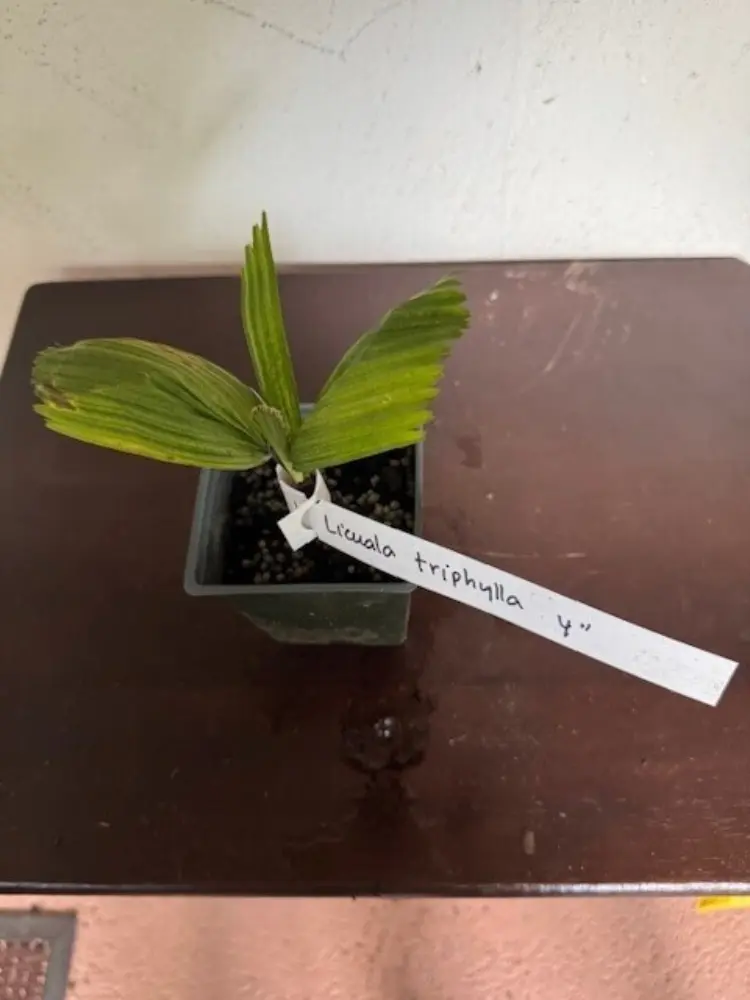
Native to Borneo, Licuala triphylla typically reaches 6–10 ft (1.8–3 m) at maturity. Juvenile plants often produce three narrow, wedge-shaped leaf segments simultaneously, a trait reflected in the species name triphylla (“three-leaved”), giving young specimens a form unlike nearly any other Licuala.
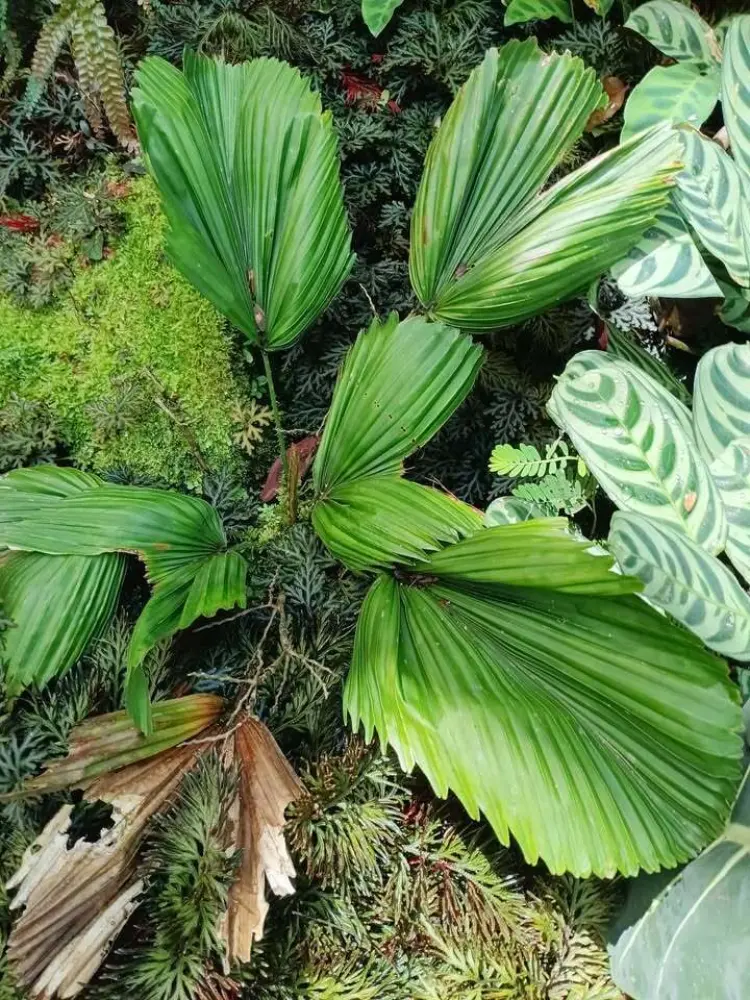
7. Licuala peltata var. sumawongii
Native to Thailand, Licuala peltata var. sumawongii typically reaches 10–20 ft (3–6 m) at maturity and is among the most distinctive forms within the species. Its defining feature is the strongly peltate leaf structure, where the petiole attaches well inside the leaf blade rather than at the margin, creating a layered, umbrella-like crown unlike most other fan palms.
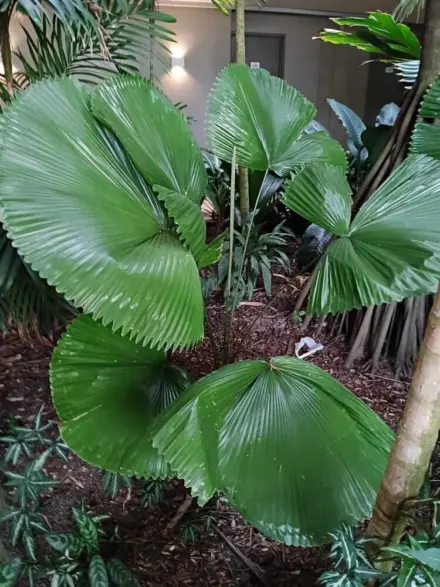
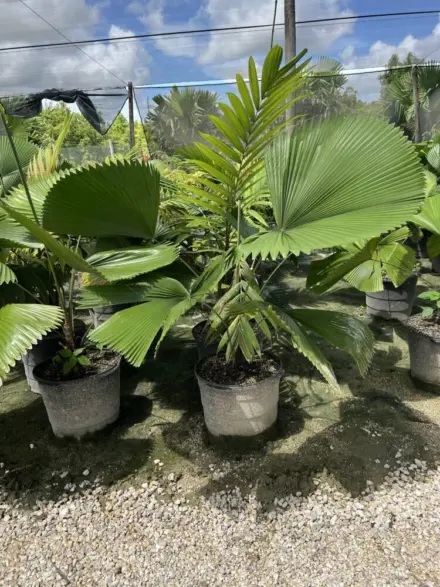
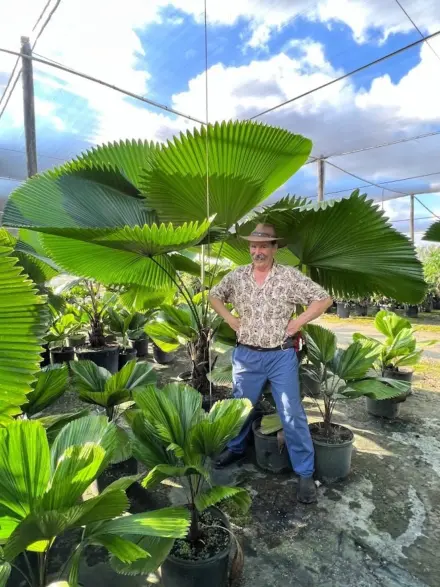
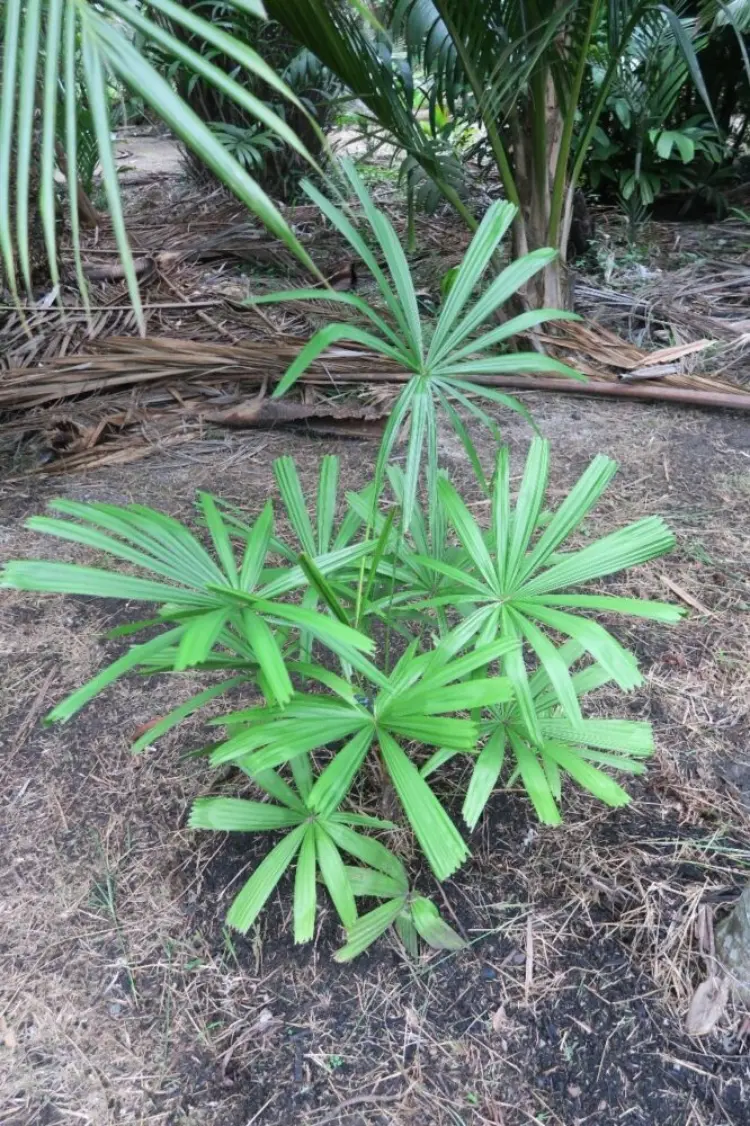
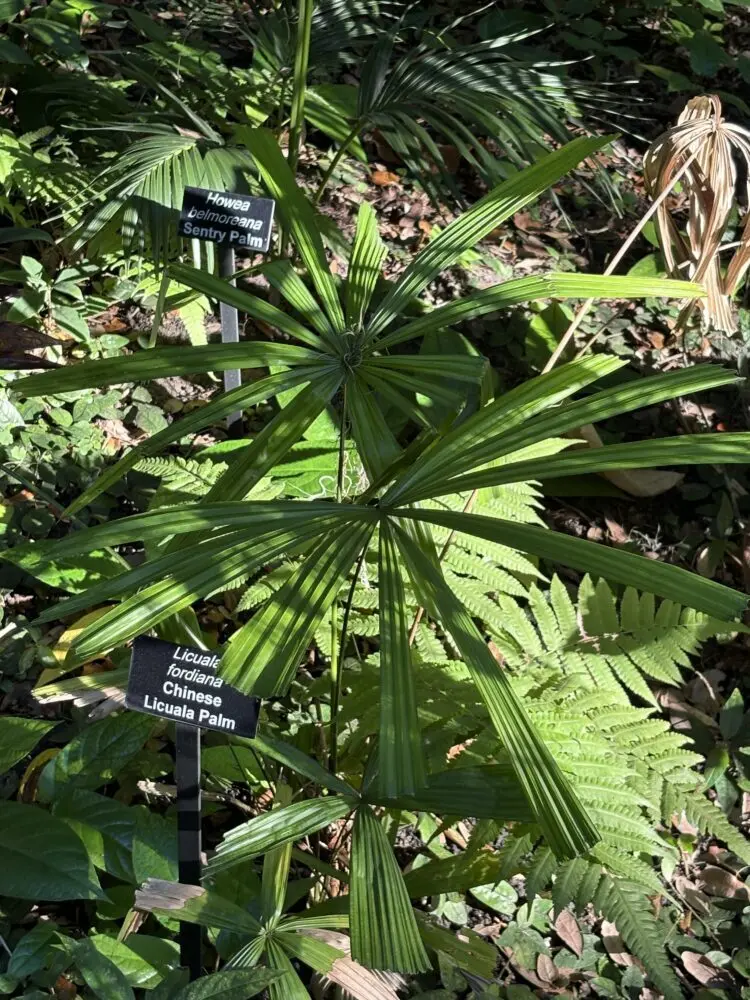
8. Licuala fordiana
Native to southern China and northern Vietnam, Licuala fordiana typically reaches 8–15 ft (2.4–4.6 m) at maturity and occupies the subtropical edge of the genus’s range. It is distinguished by its rigid, upright fan leaves and prominently armed petioles bearing dark, nearly black spines, a combination that gives the palm a tougher, more defensive appearance than most Licuala species.
9. Licuala fractiflexa
Native to Borneo, Licuala fractiflexa typically reaches 8–12 ft (2.4–3.6 m) at maturity and is instantly recognizable for its highly unusual leaf structure. Its fan leaves appear broken into irregular, flexed segments that bend and fracture along the folds, creating a fragmented, almost shattered appearance unlike any other species in the genus.
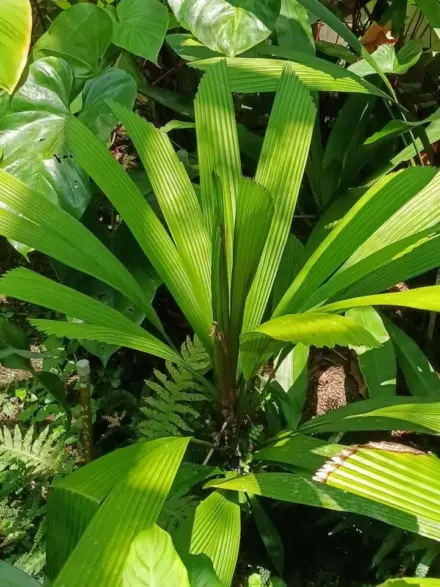
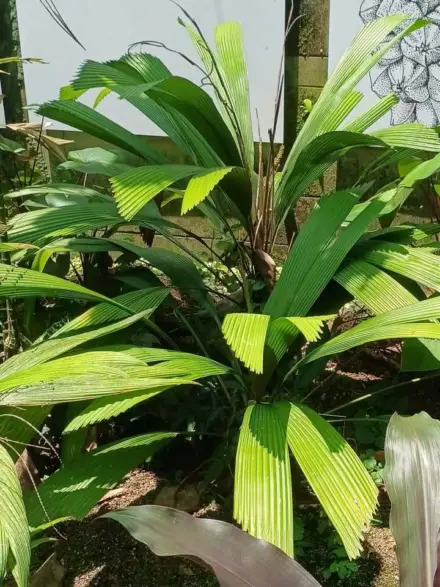
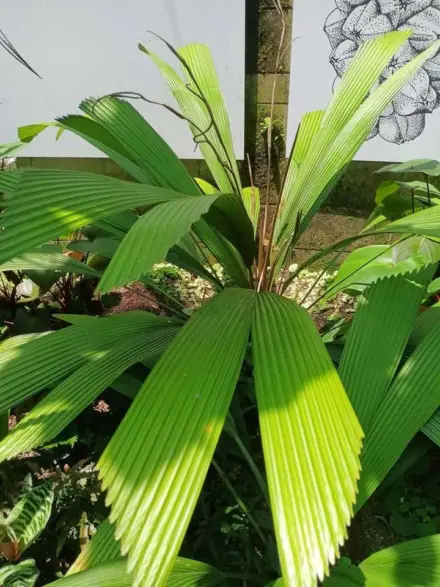
10. Licuala sp. 'pre ati'
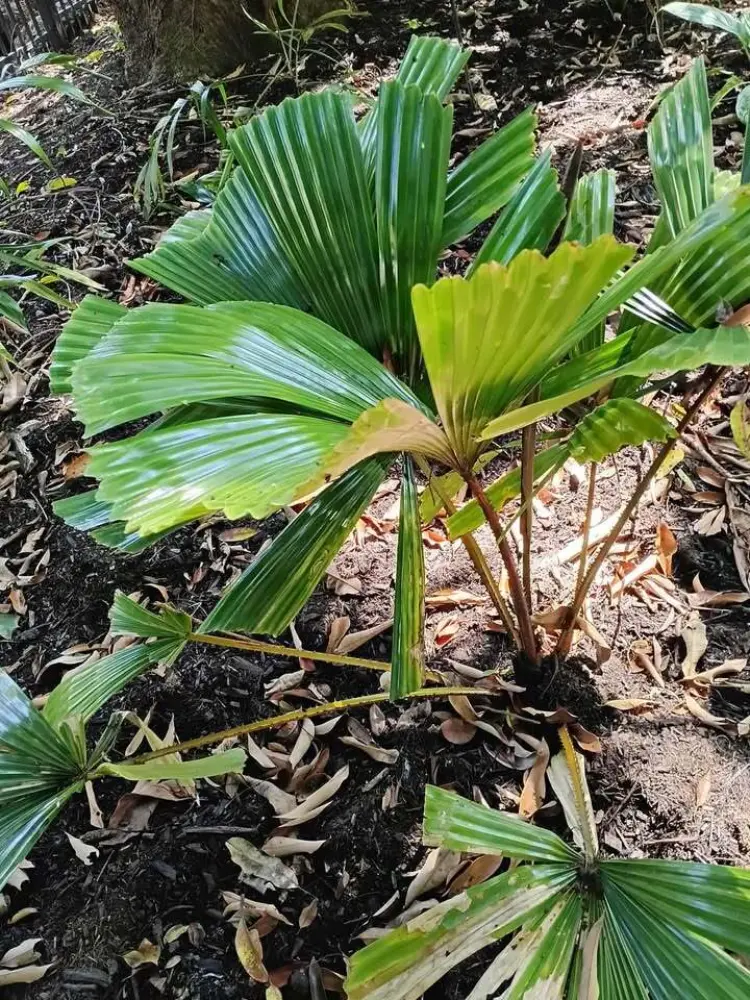
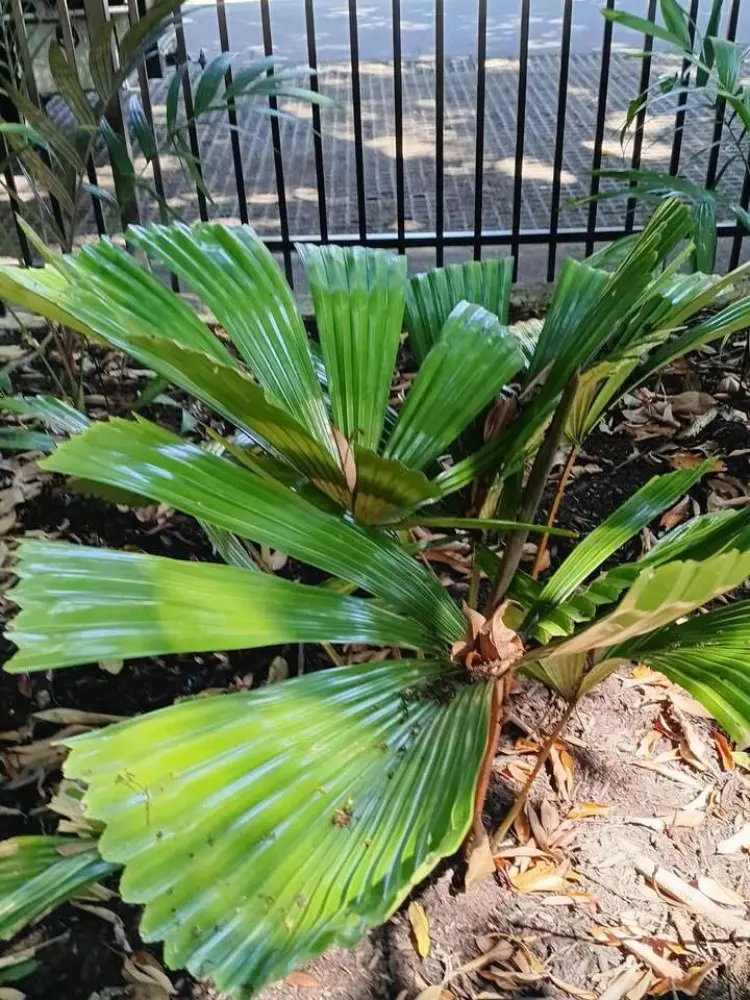
We conclude this list with Licuala sp. ‘pre ati’ to underscore that diversity within the genus is still unfolding, as new and undescribed species continue to surface through ongoing exploration and observation. Known only from limited observations and provisional naming, Licuala sp. ‘pre ati’ represents the kind of living diversity that continues to emerge within the genus. Its distinctive leaf form and surface texture, visible even at early stages, suggest it may eventually stand apart from described species — a reminder that Licuala remains an active frontier of palm discovery.
Closing Thought
From perfect circles to jagged fans, towering palms to compact understory species, Licuala demonstrates just how far a single genus can stretch. It’s a reminder that in palms — as in nature itself — true diversity often hides behind familiar names.
With more than 170 described species, the ten palms highlighted here represent only a small glimpse into the extraordinary range found within the Licuala genus. Many more species — each with their own distinctive traits — can be explored in our species library, where the story of Licuala diversity continues to unfold.
The palm world is full of surprises, and many of the best discoveries come from shared observation. If you’ve noticed a genus where the species don’t seem to follow a single pattern, it could be a great candidate for this series. Please click on the Contact Us link and send us a note to make your suggestion!