| Climate Zone | 8a |
| Min Temp (F/C) | 10 to 15 F / -12 to -9 C |
| Leaf Type | Costapalmate |
| Height | 50 Ft / 15 M |
| Growth Rate | Slow to Moderate |
| Conservation Status |
Not Evaluated
|
| Habit | Solitary |
| Soil pH | 7.0-8.0 (Neutral to alkaline) |
| Soil Type | Rocky / Limestone |
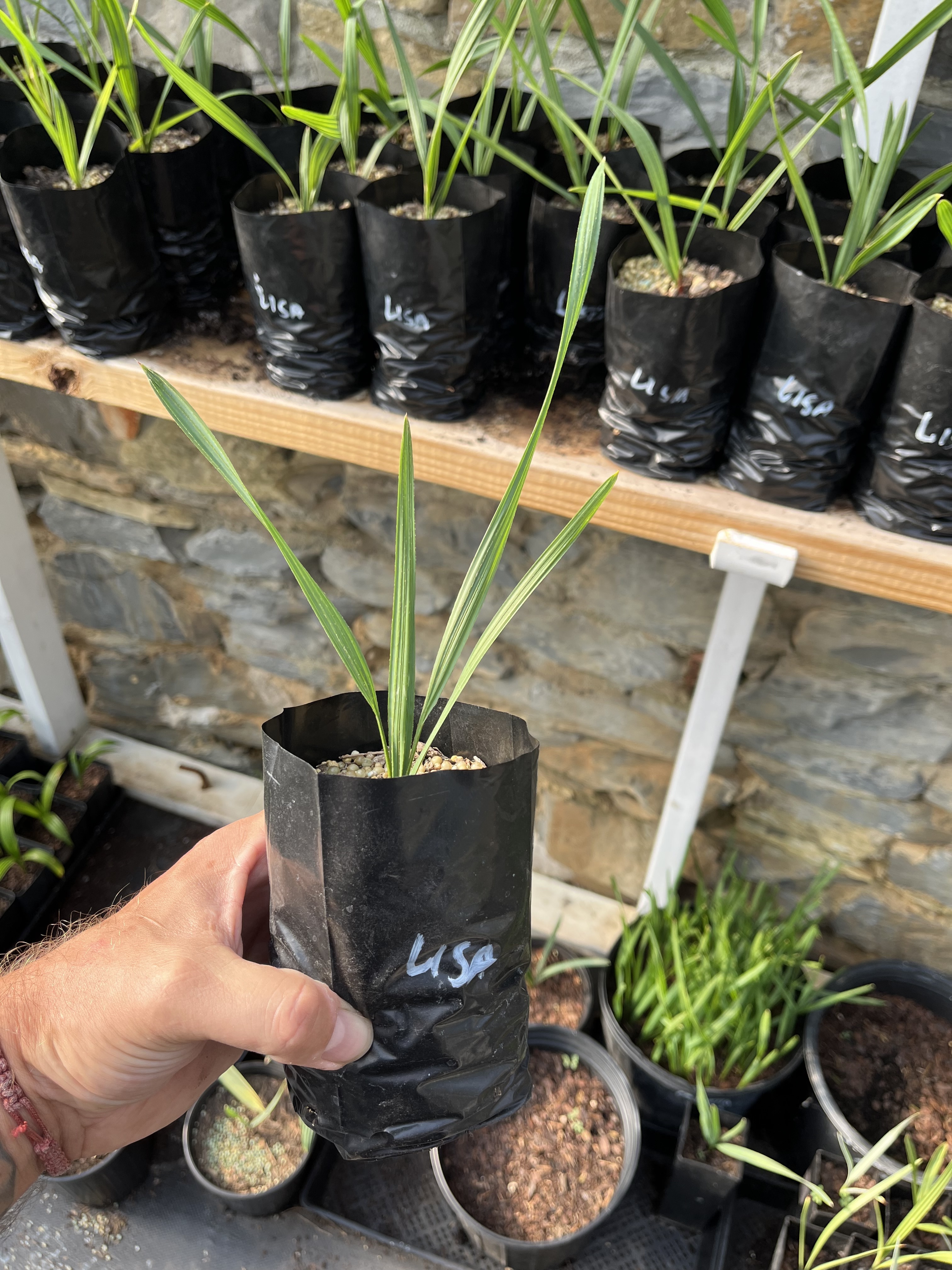
Sabal palmetto 'Lisa’
Lisa Cabbage Palm
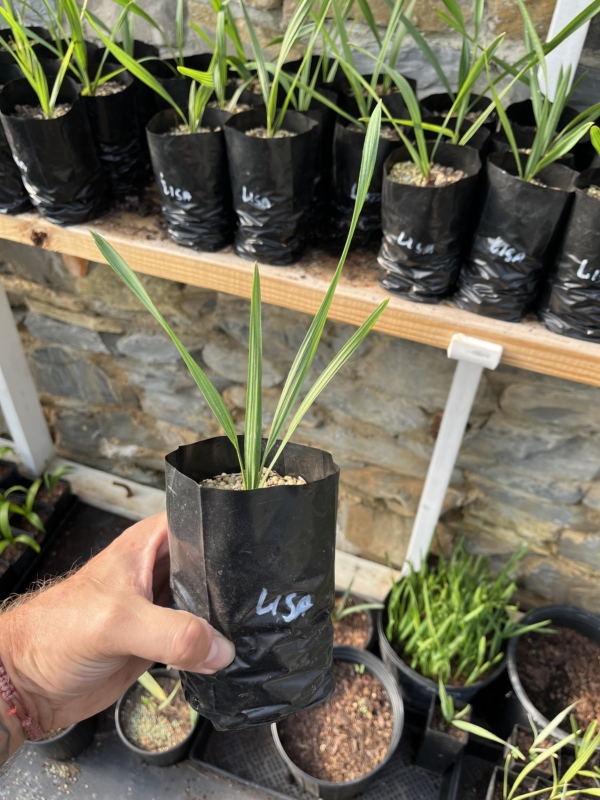
Sizes
- 3 gallon
About Sabal palmetto 'Lisa’
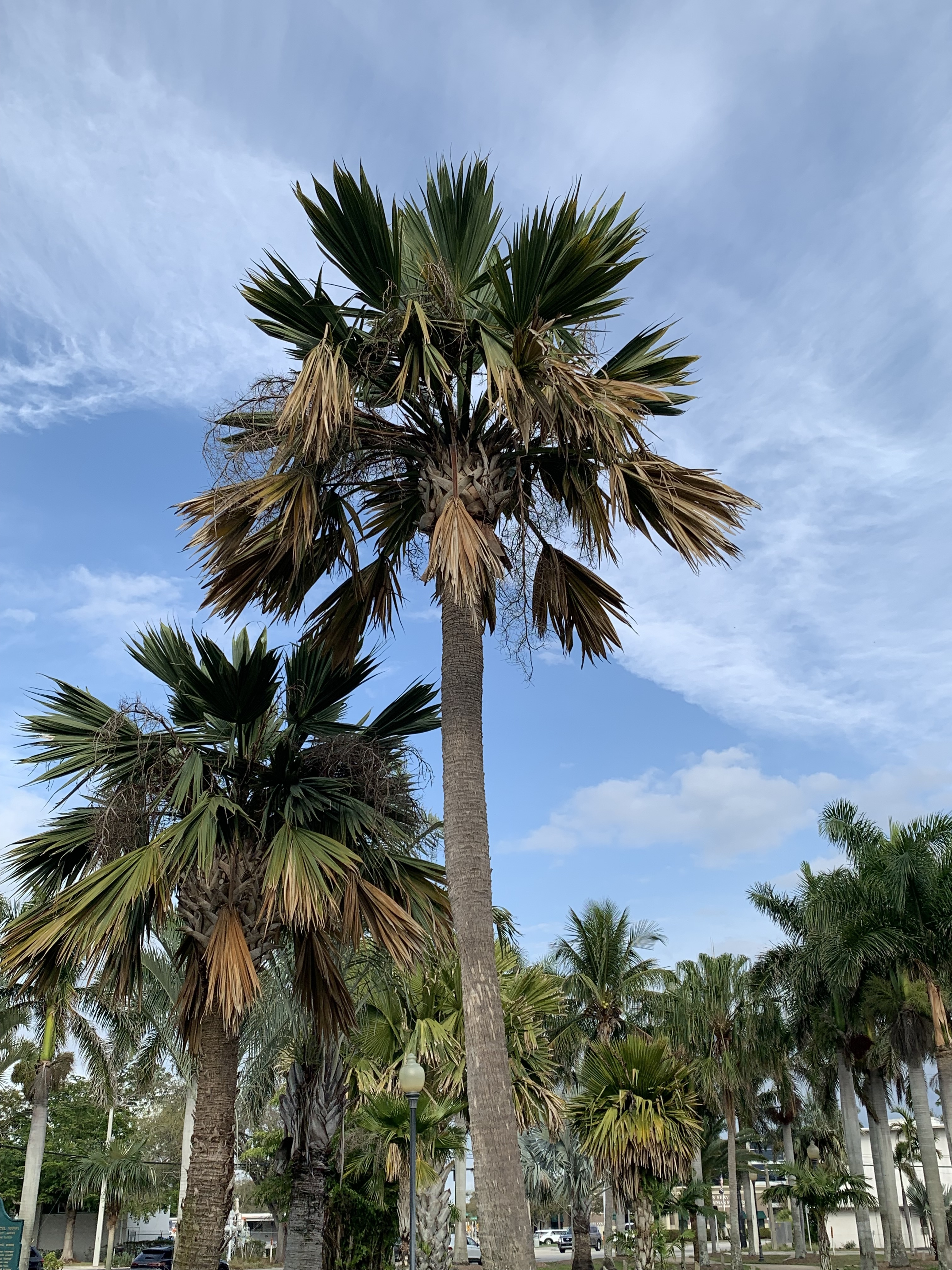
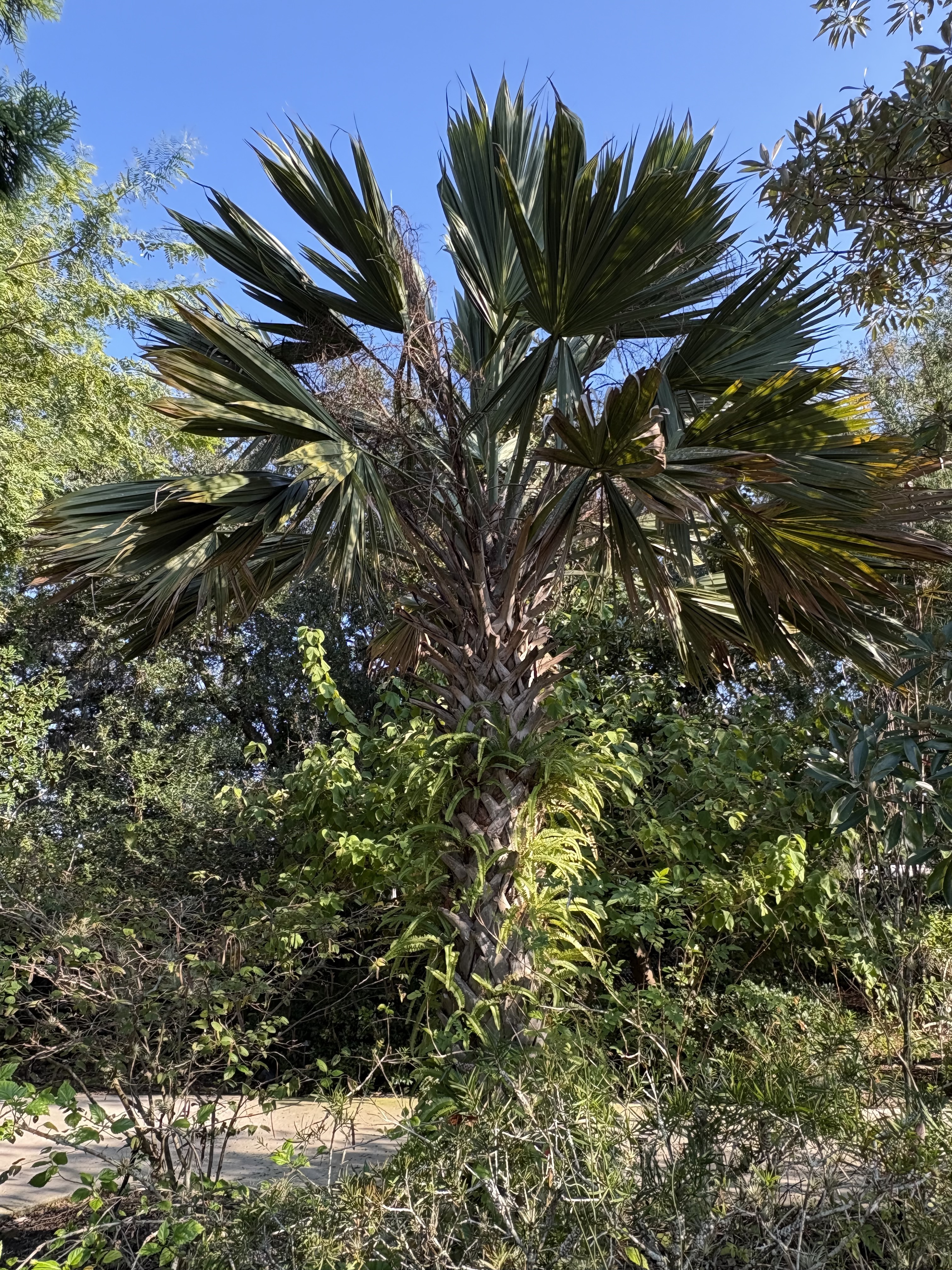
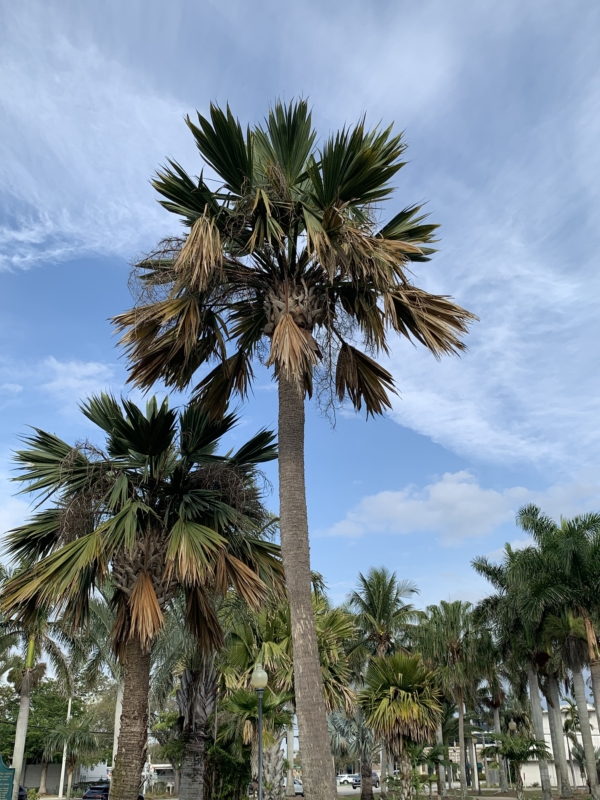
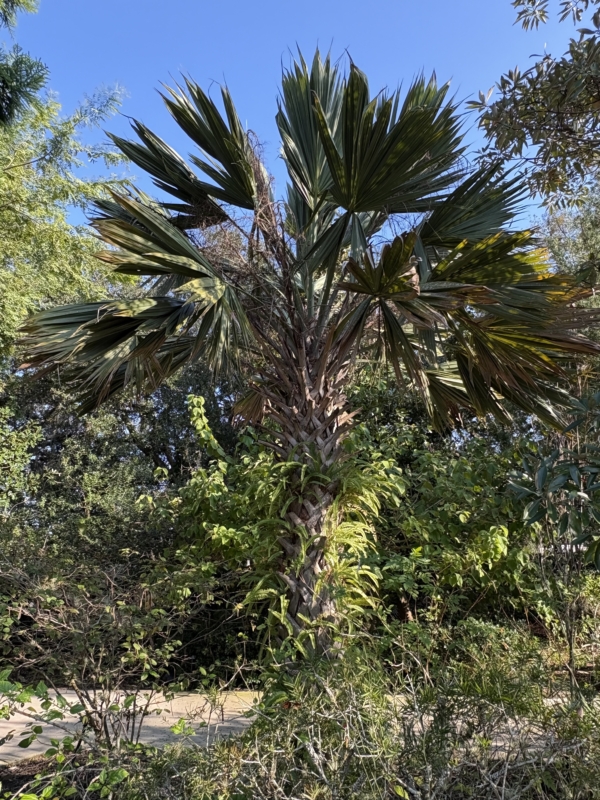
This is a solitary palm cultivar with a sturdy, columnar trunk but is instantly recognizable by its wildly contorted, non-costapalmate, folded-and-crumpled leaves that set it apart from all other Sabal palmetto forms. Unlike the typical species, ‘Lisa’ lacks the usual fan segmentation — instead, each leaf emerges as a thick, leathery, mostly entire “accordion-like” blade. ‘Lisa’ is believed to have originated as a single natural mutation discovered in South Florida. Almost all individuals in cultivation descend from the original plant via seed collection — though its traits are not 100% genetically stable, most seedlings express the characteristic curly leaves. The leaf texture is often described as “elephant-hide,” “melted,” “crumpled,” or “accordion-folded.”The crown is dense and heavy, forming a compact, rounded canopy that looks sculptural and almost ornamental due to the leaf deformation. Inflorescences remain typical of Sabal palmetto: long, arching sprays that extend beyond the crown, carrying many small, cream-colored flowers attractive to pollinators. Fruits are the standard black drupes, though sometimes produced in slightly fewer numbers due to the plant’s energy investment in its unusual foliage. This cultivar is notably rare in cultivation, found primarily among collectors, botanical gardens, and serious palm hobbyists who prize its unusual morphology.
Cultivation Tips
Choose a sunny, open area where the palm can develop its full sculptural crown without obstruction. Younger ‘Lisa’ palms tolerate light shade, but full sun produces the densest and most dramatic leaf structure in maturity. Plant in well-draining sandy or loamy soil, as this cultivar follows the same soil tolerance as standard Sabal palmetto. Water moderately during establishment but, once mature, expect near-bulletproof drought tolerance. Fertilize lightly two or three times per year with a slow-release palm blend to support steady growth and strong leaf development.