| Climate Zone | 9a |
| Min Temp (F/C) | 20 to 25 F / -7 to -4 C |
| Leaf Type | Pinnate |
| Height | 6 Ft / 1.8 M |
| Growth Rate | Slow |
| Conservation Status |
Not Evaluated
|
| Habit | Acaulescent (Trunkless) |
| Soil pH | 7.0-8.0 (Neutral to alkaline) |
| Soil Type | Rocky / Limestone |
Phoenix acaulis
Dwarf Date Palm
Sizes
- 4 Inch
About Phoenix acaulis
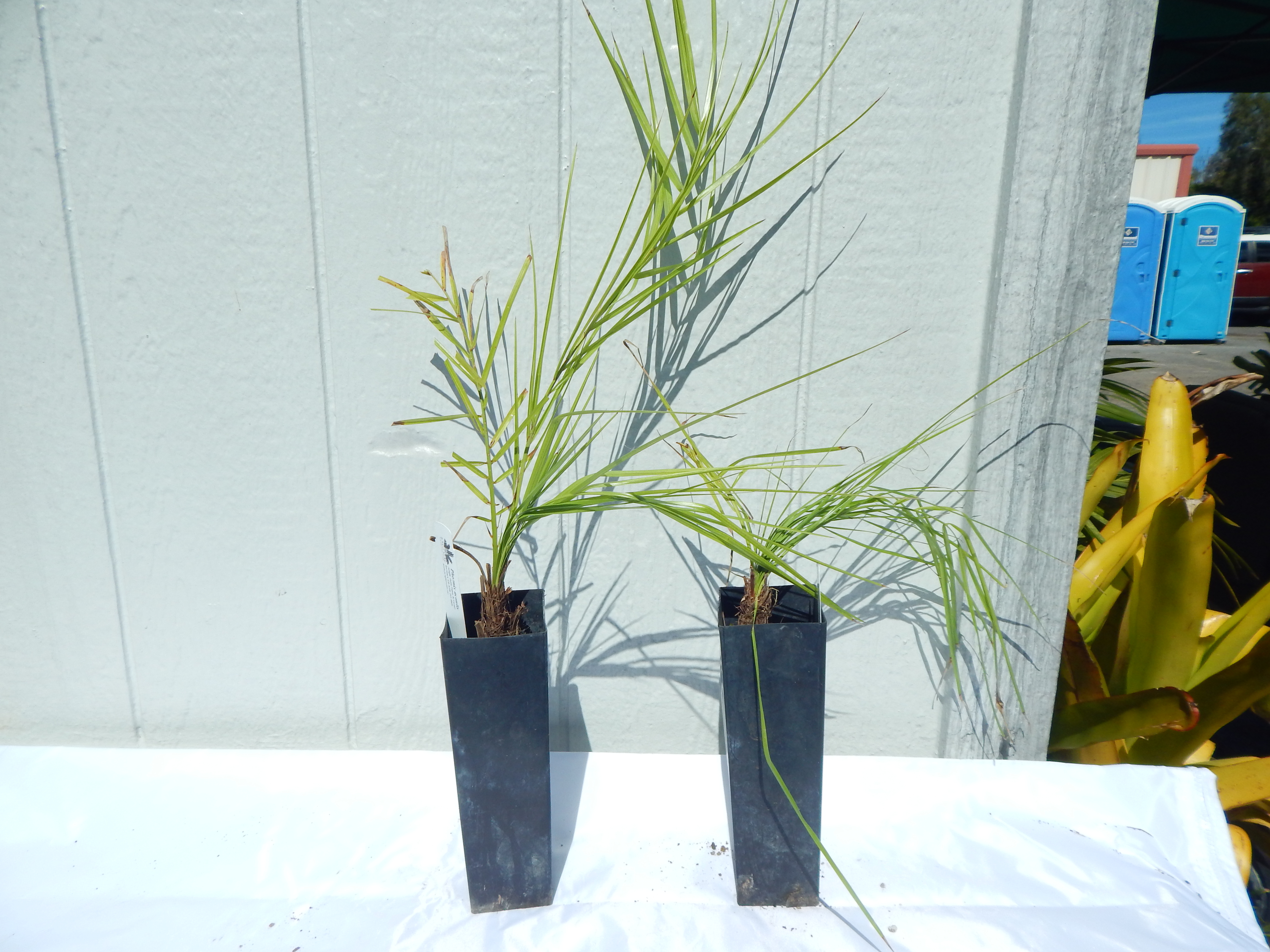
This is a solitary, trunkless (or nearly trunkless) palm, with its stem remaining subterranean or only slightly emergent above ground, giving it a compact, ground-hugging appearance. It lacks a crownshaft, as is typical for its genus, with leaf bases persisting tightly around the base. The crown consists of stiff, arching to spreading pinnate leaves that are deep green to slightly bluish-green, with sharp, rigid leaflets and strongly armed petioles bearing prominent spines. The inflorescences emerge low within the leaf bases and are branched, producing creamy yellow flowers that are mostly hidden by the foliage. Fruits are small, ovoid dates that ripen to yellowish-brown to dark brown, resembling miniature versions of other Phoenix species’ fruit.
Cultivation Tips
This palm is best suited for warm, dry to seasonally dry garden settings where its low profile can be appreciated without crowding. Young plants tolerate partial shade, while mature specimens perform best in full sun, developing denser crowns and sturdier leaves. Phoenix acaulis prefers well-drained sandy or loamy soils and is especially intolerant of prolonged waterlogging. Water regularly during establishment, then reduce frequency once mature, as it becomes quite drought tolerant. Apply a balanced palm fertilizer two to three times per year to support steady growth and maintain healthy foliage color.