| Climate Zone | 10a |
| Min Temp (F/C) | 30 to 35 F / -1 to 2 C |
| Leaf Type | Pinnate |
| Height | 20 Ft / 6 M |
| Growth Rate | Moderate |
| Conservation Status |
Vulnerable
|
| Crownshaft | Yes |
| Habit | Clustering |
| Soil pH | 5.0-5.9 (Acidic) |
| Soil Type | Organic / Humus-rich |
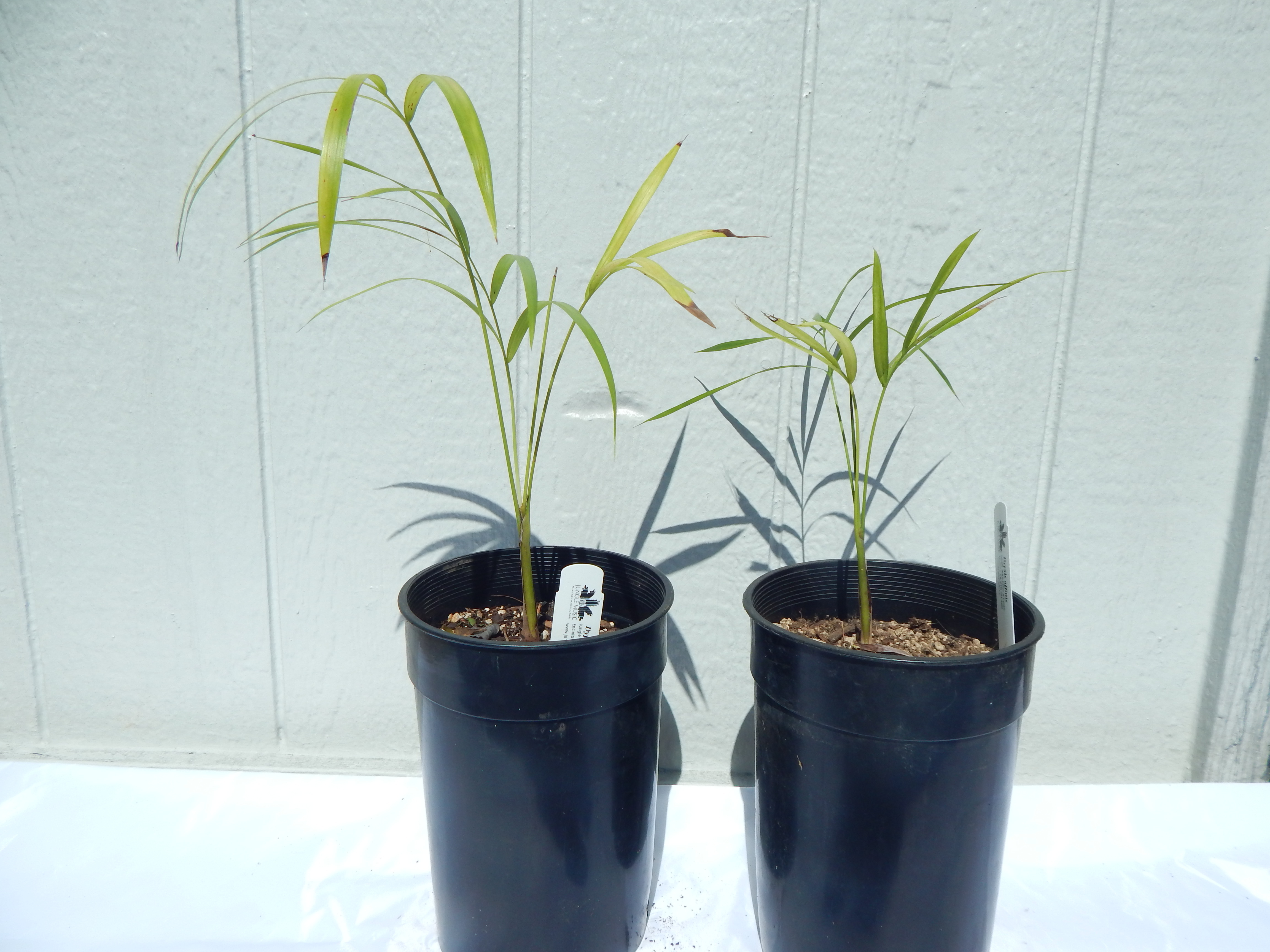
Dypsis scottiana
Raosy Palm
Sizes
- 1 gallon
About Dypsis scottiana
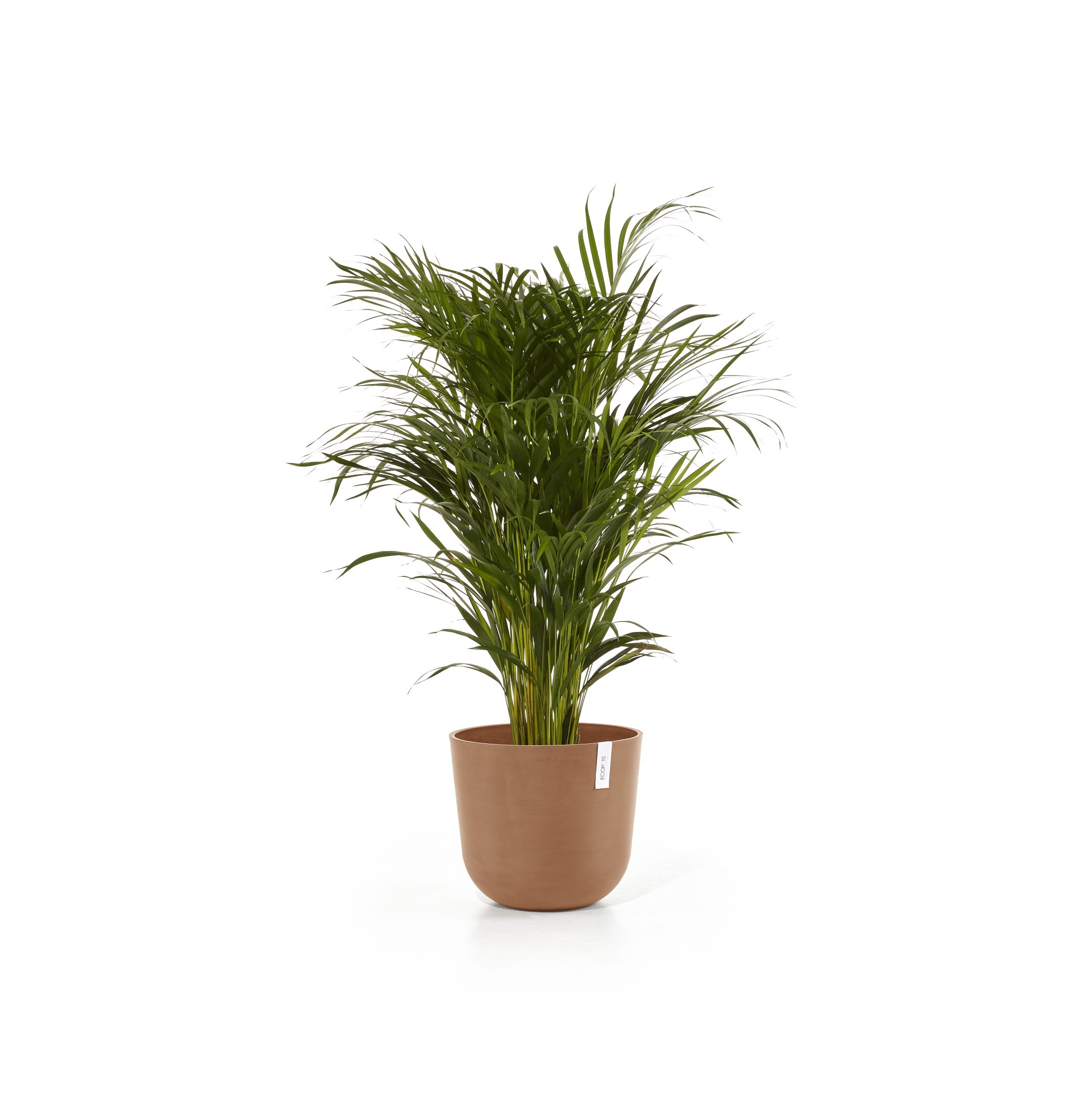
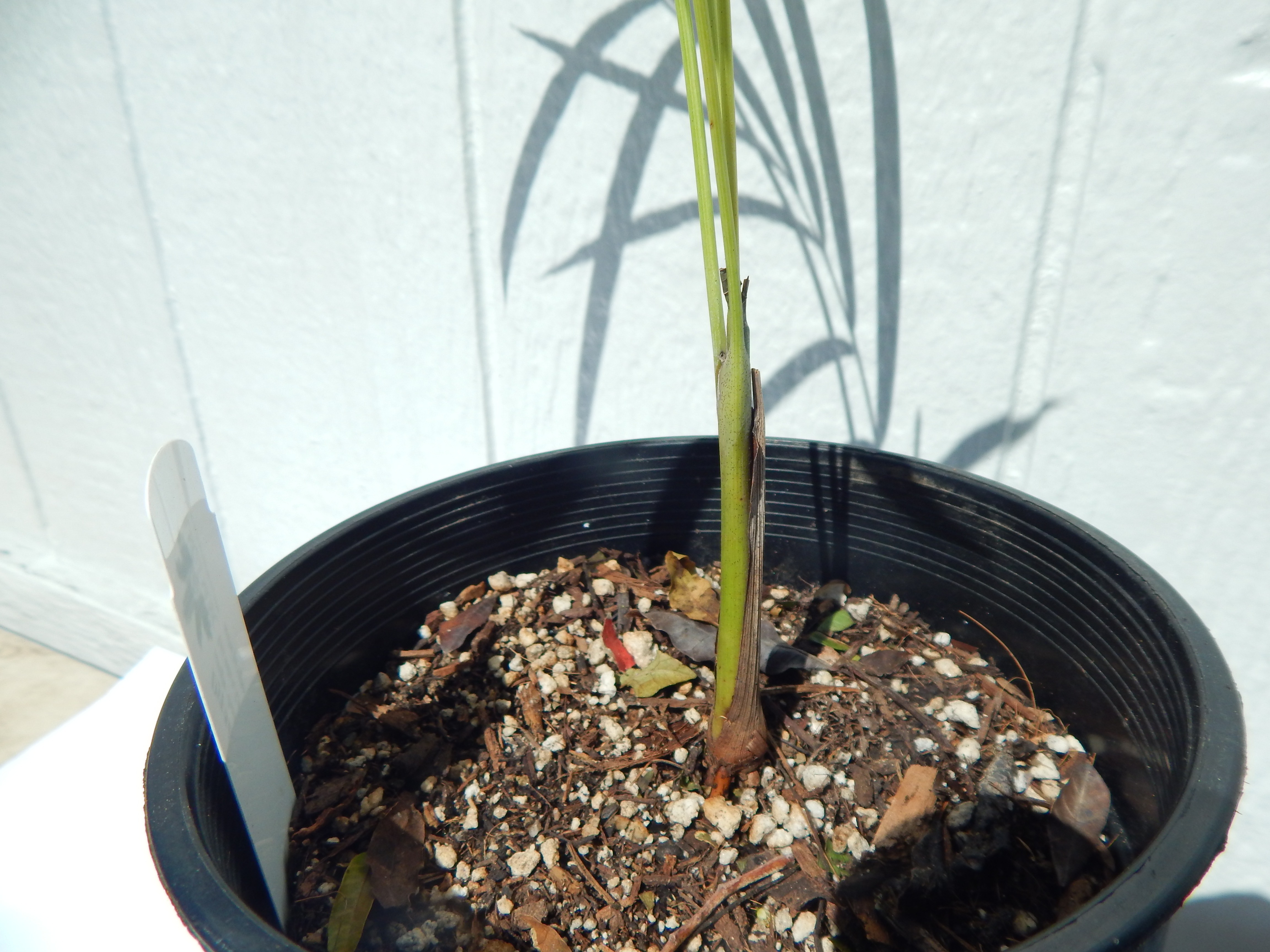
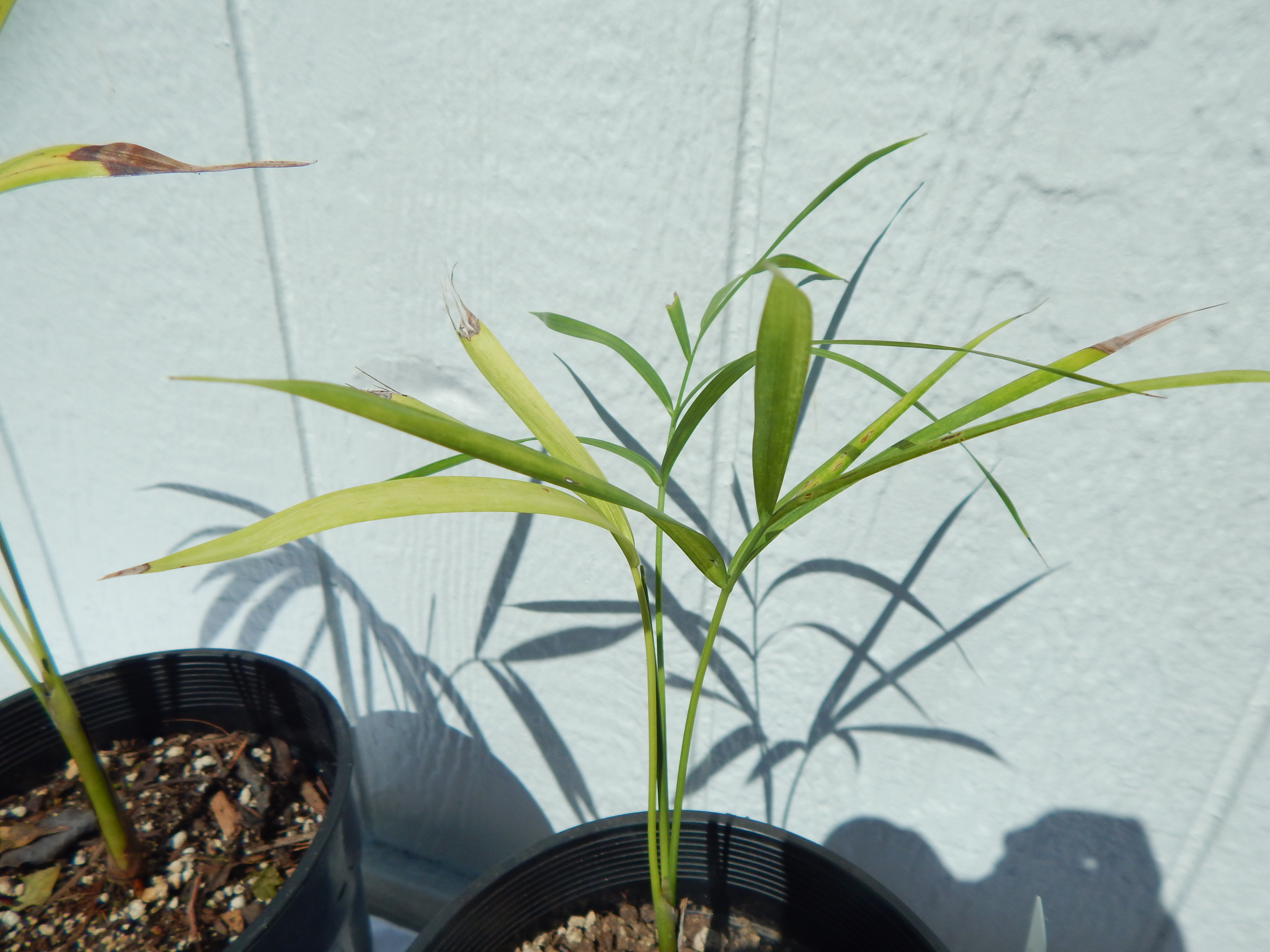
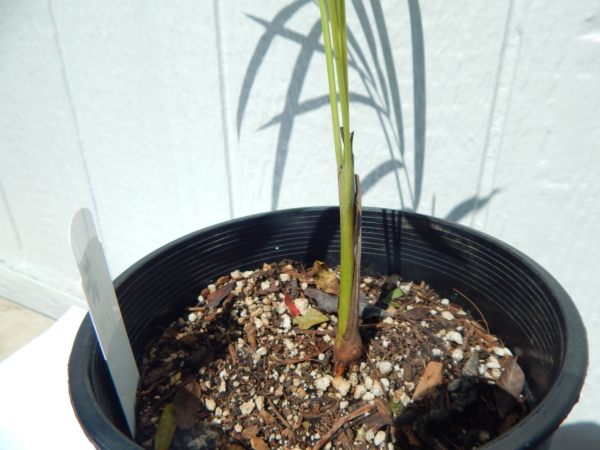
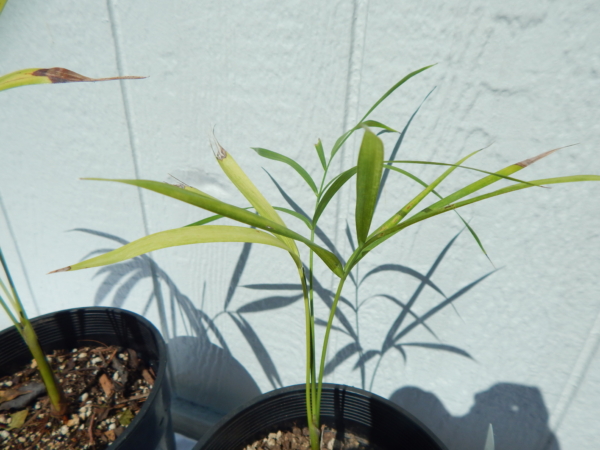
This is a clustering palm that develops slender, ringed stems and an elegant understory appearance as it matures. A light green to whitish crownshaft supports gracefully arching pinnate leaves with narrow leaflets that give the palm a refined and tropical character. The crown is open and airy, with softly drooping foliage that moves attractively in the wind and contributes to its delicate overall habit. Its inflorescences emerge beneath the crownshaft and produce small rounded fruits that transition through shades of green before ripening darker in color. Although still uncommon in cultivation, this species continues to circulate among collectors under the former scientific name Dypsis affinis, a synonym still widely recognized in the palm hobby. The species was revised taxonomically in 1995.
Cultivation Tips
This species performs best in a protected tropical or subtropical garden location with shelter from strong wind and harsh afternoon sun. Young plants prefer filtered light or partial shade, while more mature specimens can tolerate increased sun exposure in humid climates. Dypsis scottiana appreciates rich, well-draining soil with consistent organic matter and good moisture retention without remaining waterlogged. Regular watering is important during active growth, especially in warm weather, though the soil should be allowed to lightly dry between deep waterings. Apply a balanced palm fertilizer with micronutrients three to four times per year to encourage healthy foliage and steady growth.