

| Climate Zone | 11 |
| Min Temp (F/C) | Over 40 F / Over 4 C |
| Leaf Type | Pinnate |
| Height | 32.8 Ft / 10 M |
| Growth Rate | Slow to Moderate |
| Conservation Status |
Not Evaluated
|
| Crownshaft | Yes |
| Habit | Solitary |
| Soil pH | 5.0-5.9 (Acidic) |
| Soil Type | Peaty / Swampy |
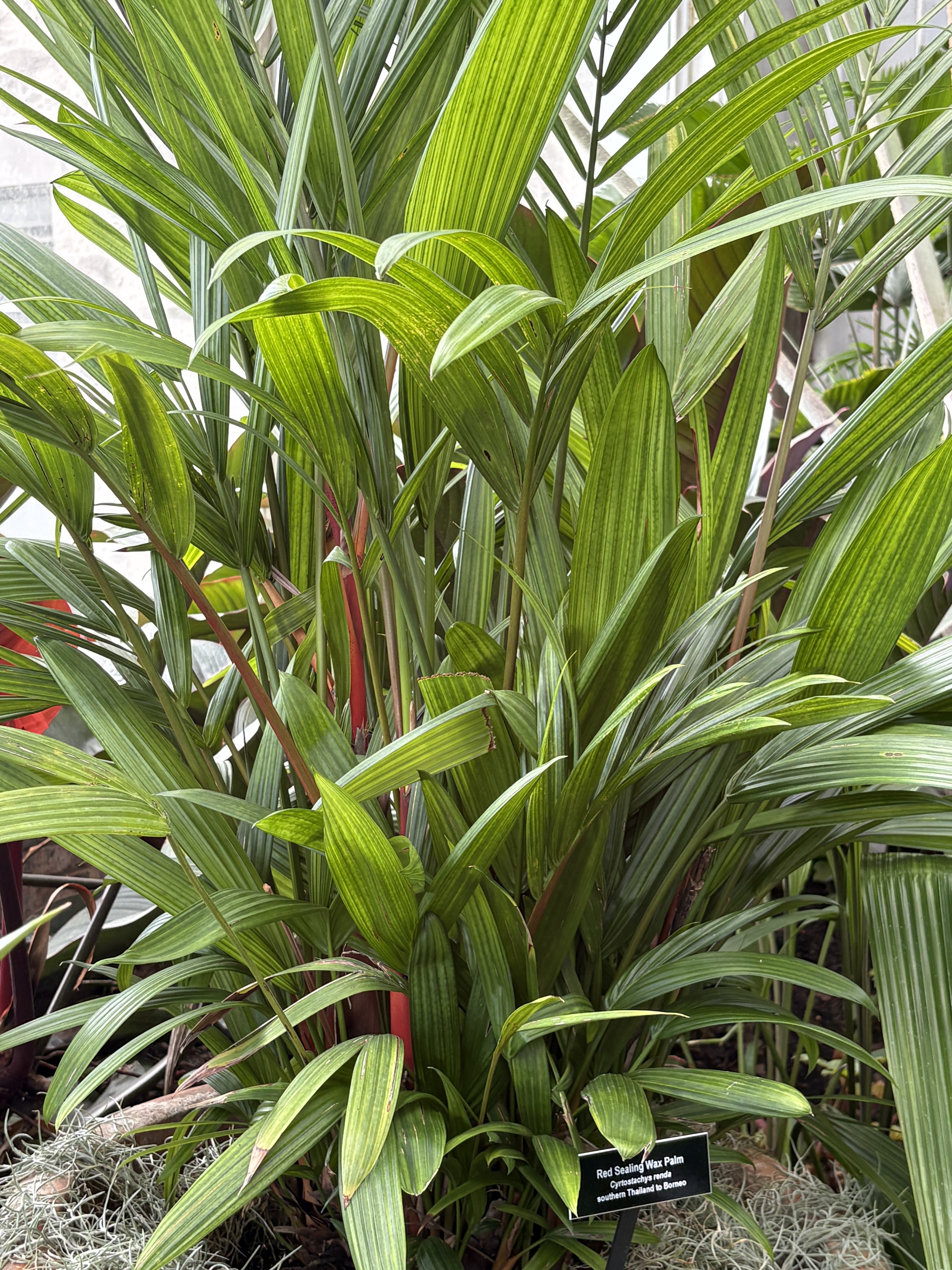
Cyrtostachys renda
Sealing Wax Palm, Lipstick Palm
Sizes
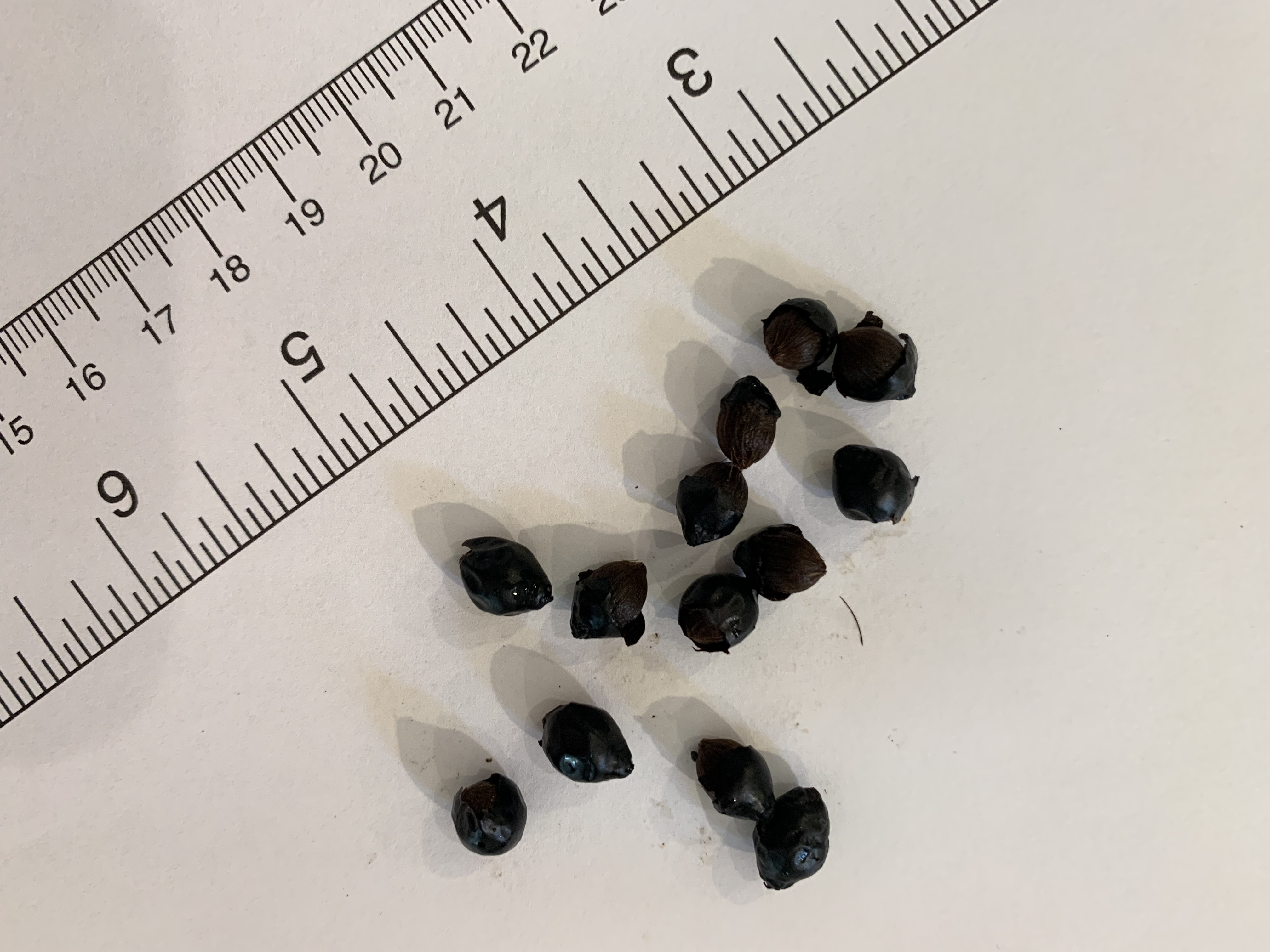
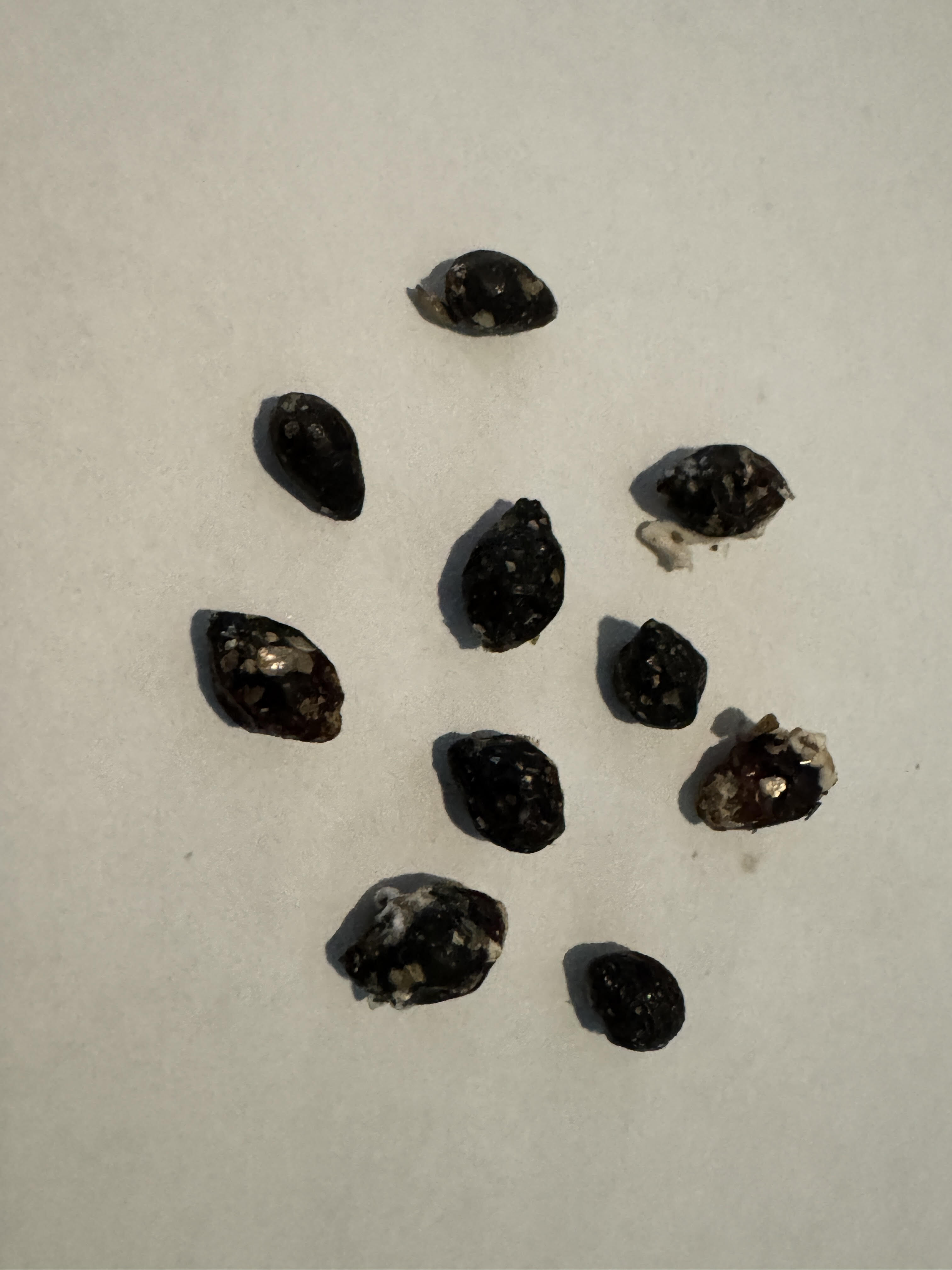
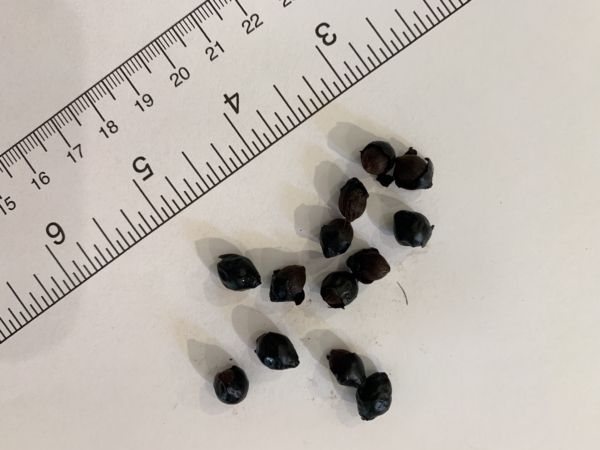
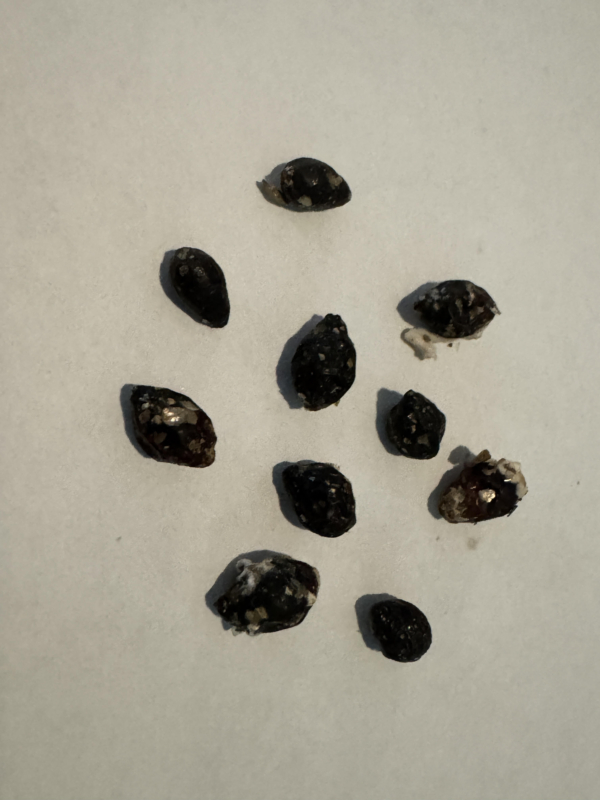
- Seeds - pack of 10
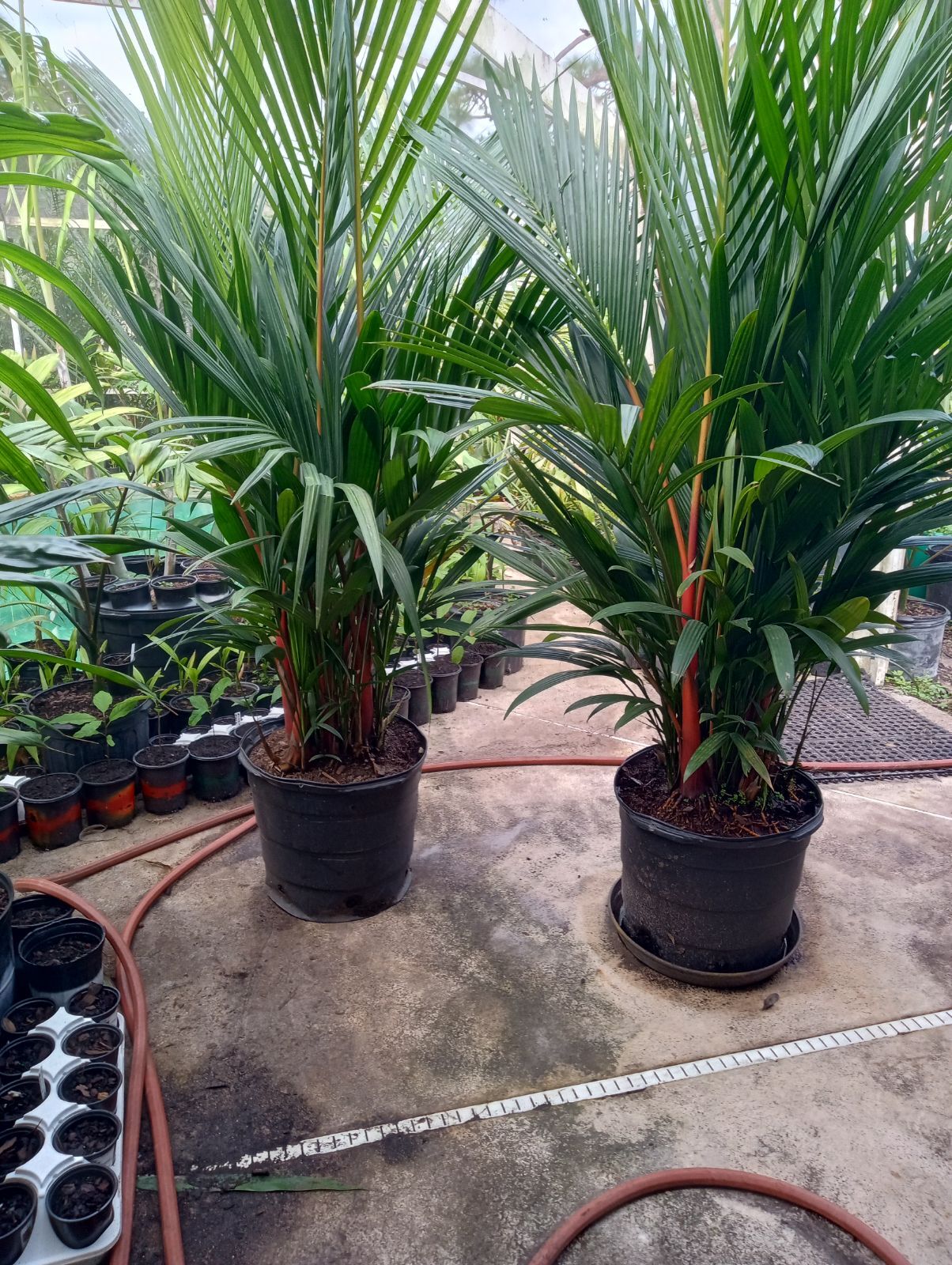
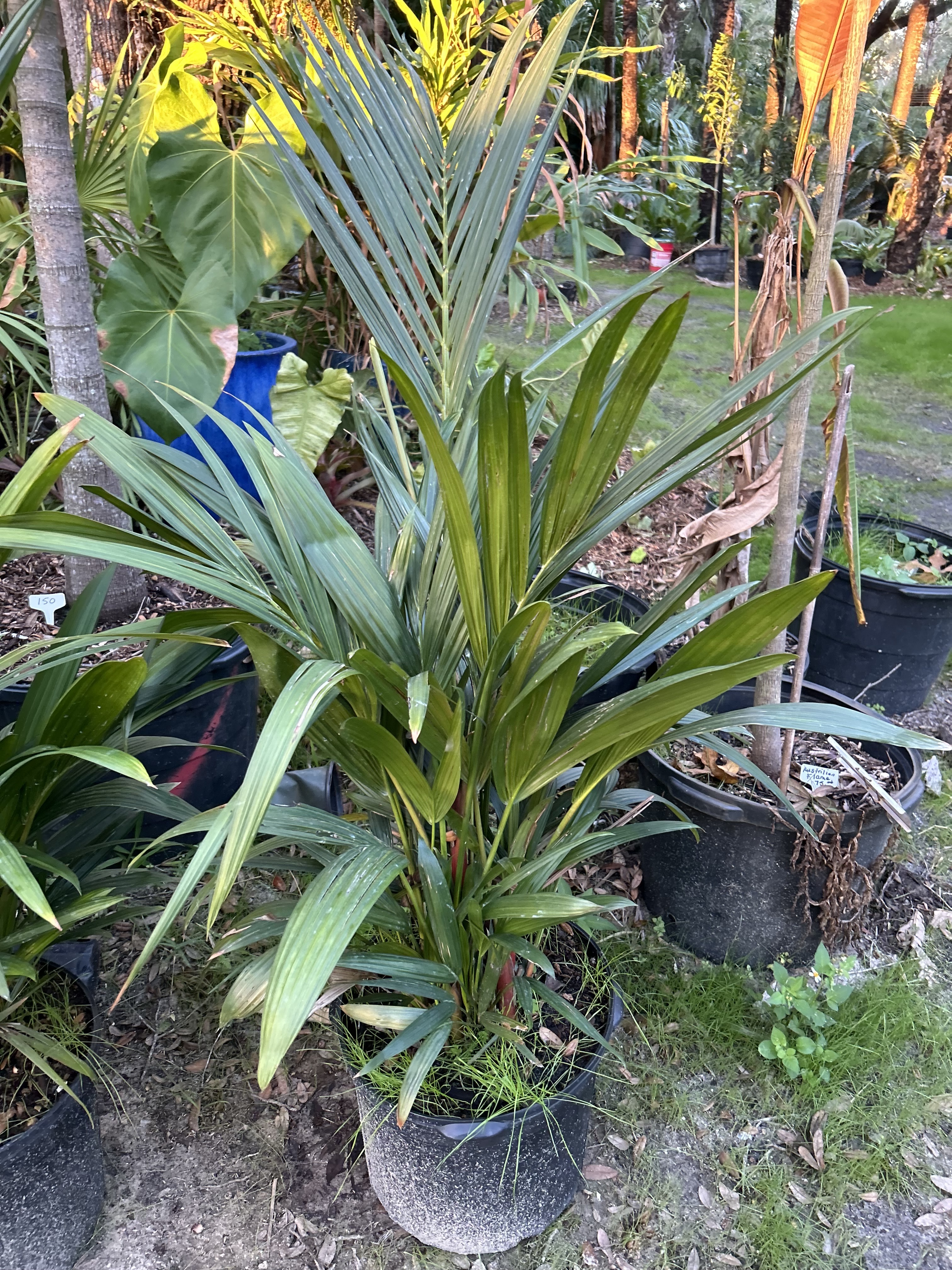
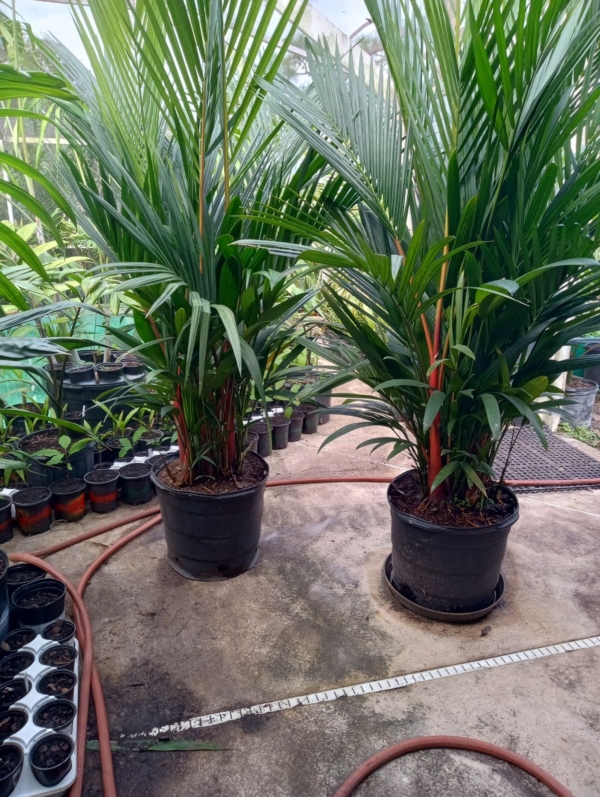
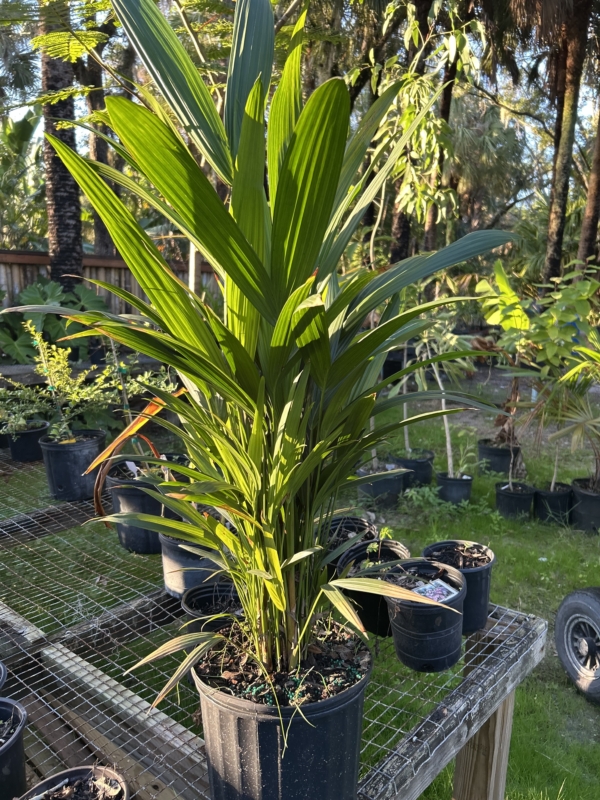
- 3 gallon
About Cyrtostachys renda
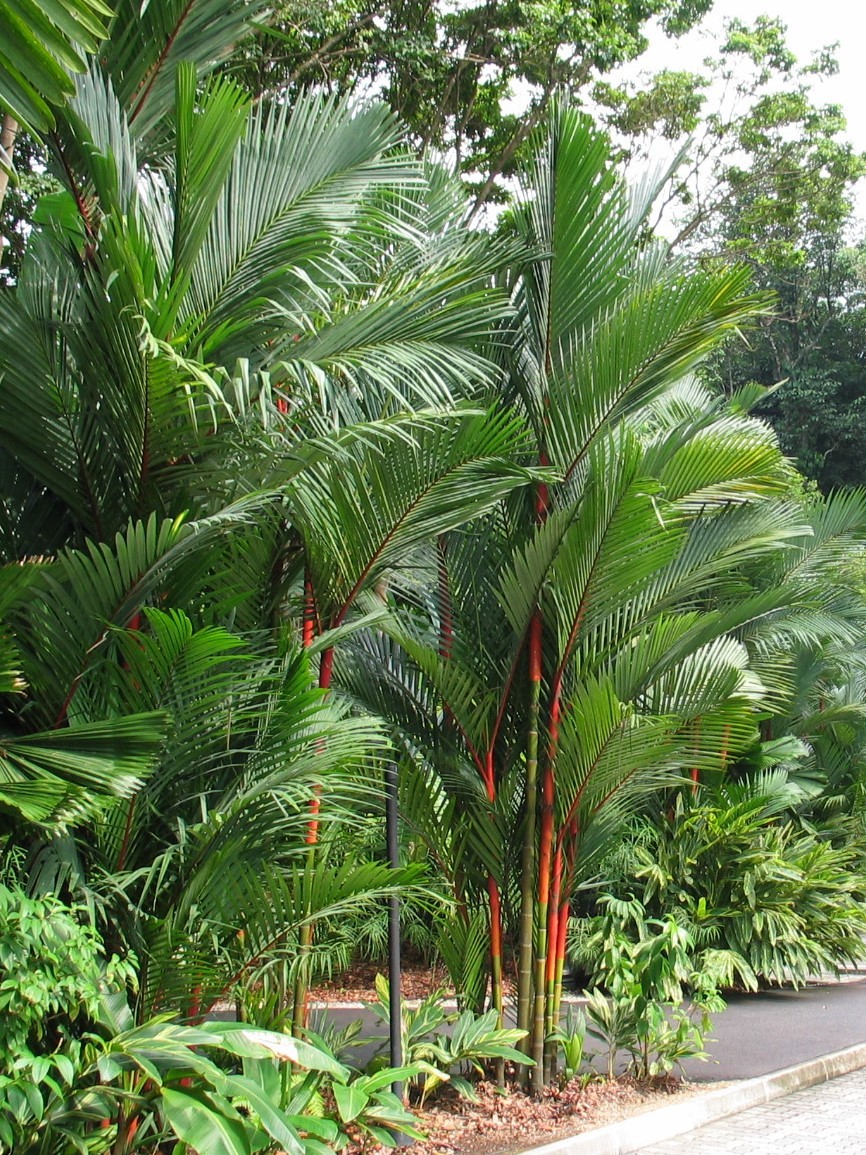
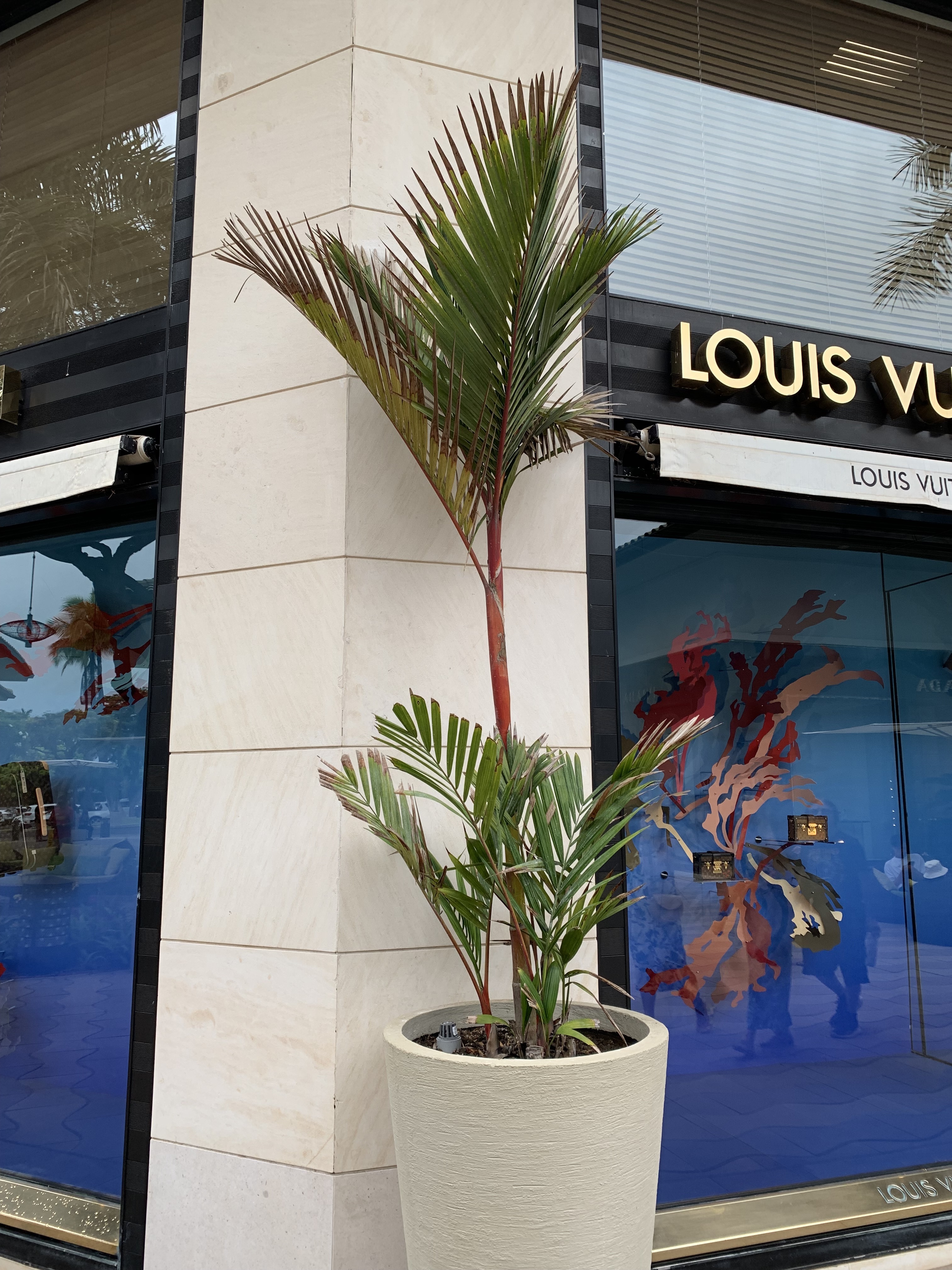
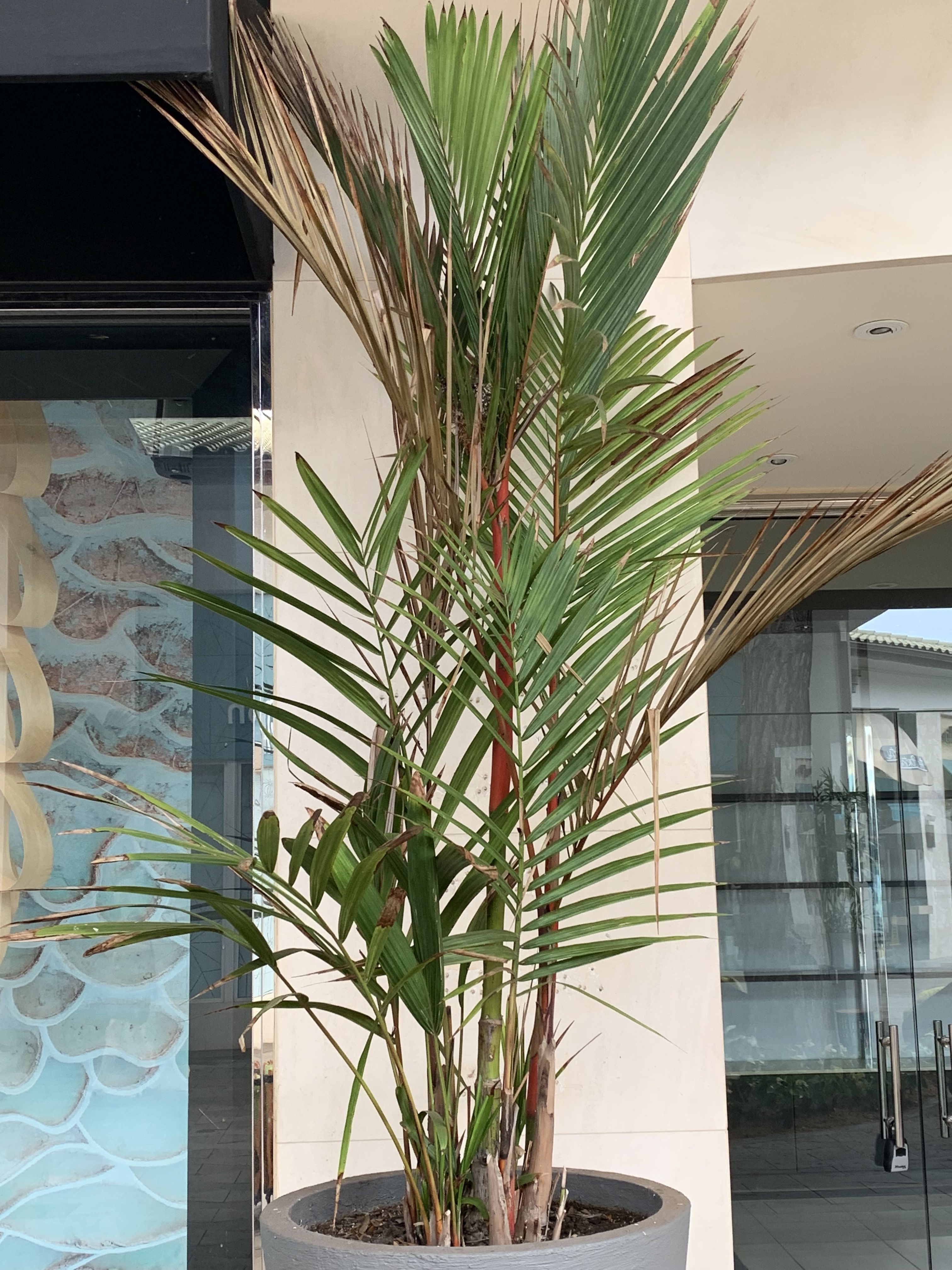
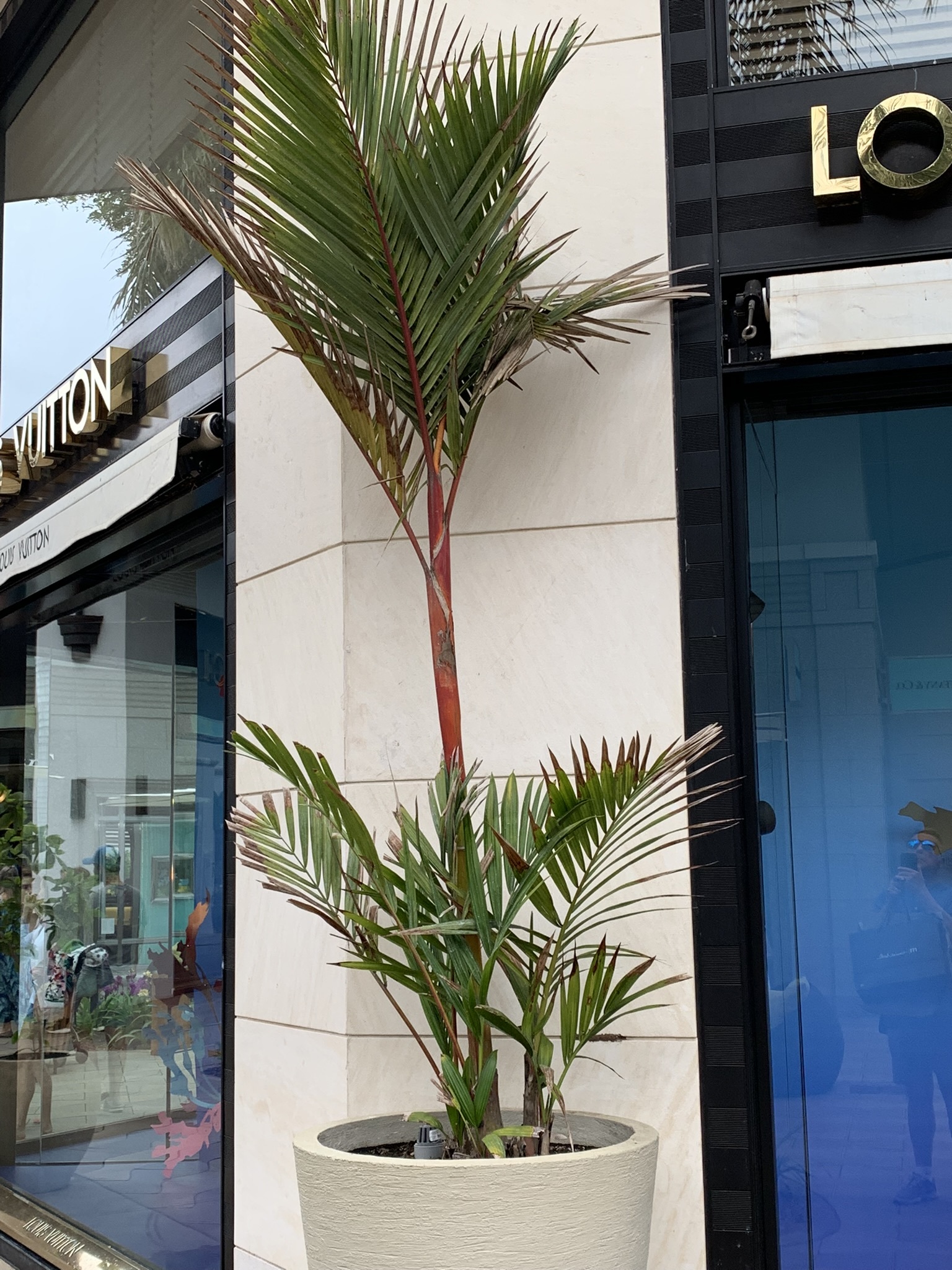
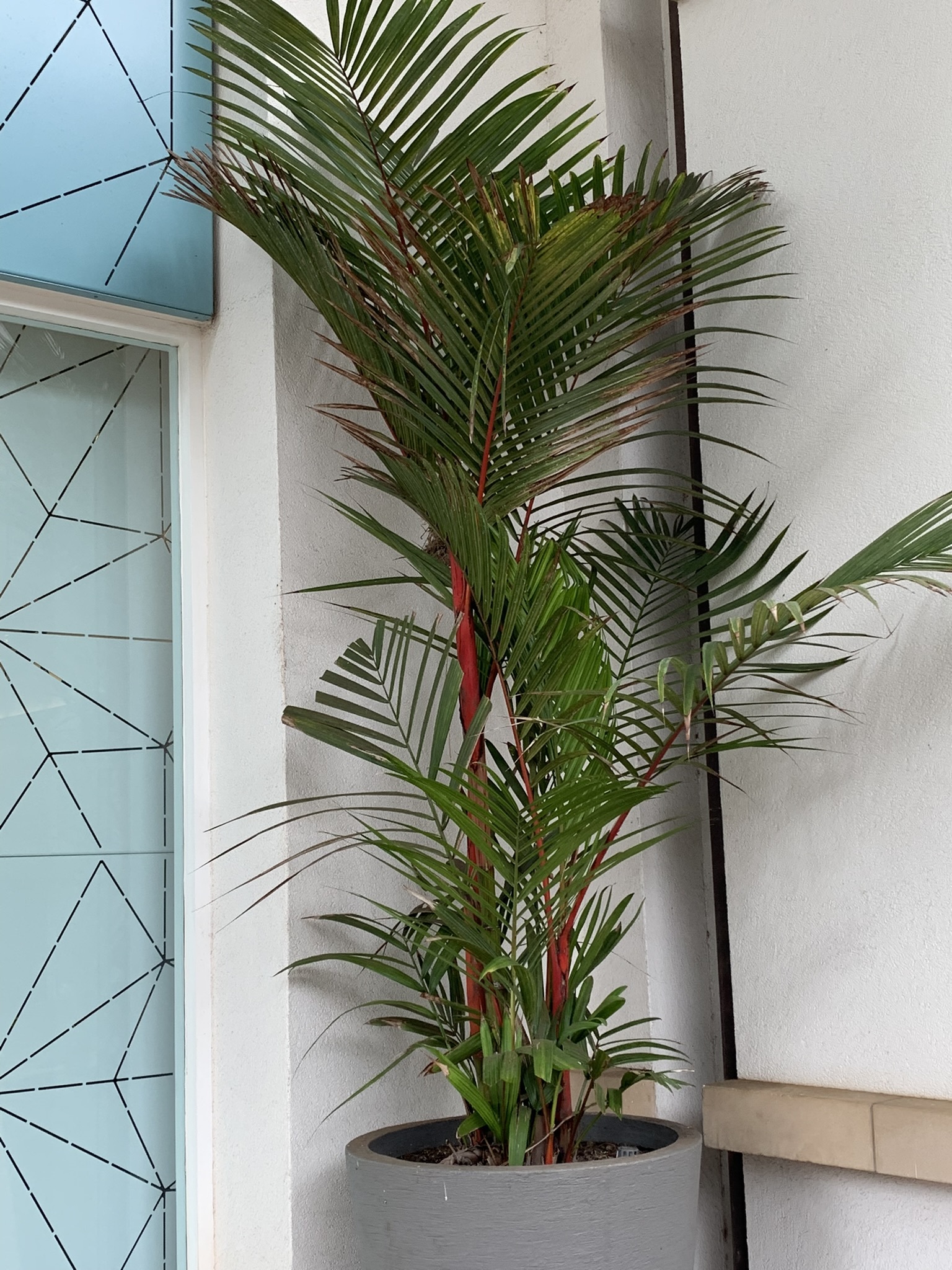
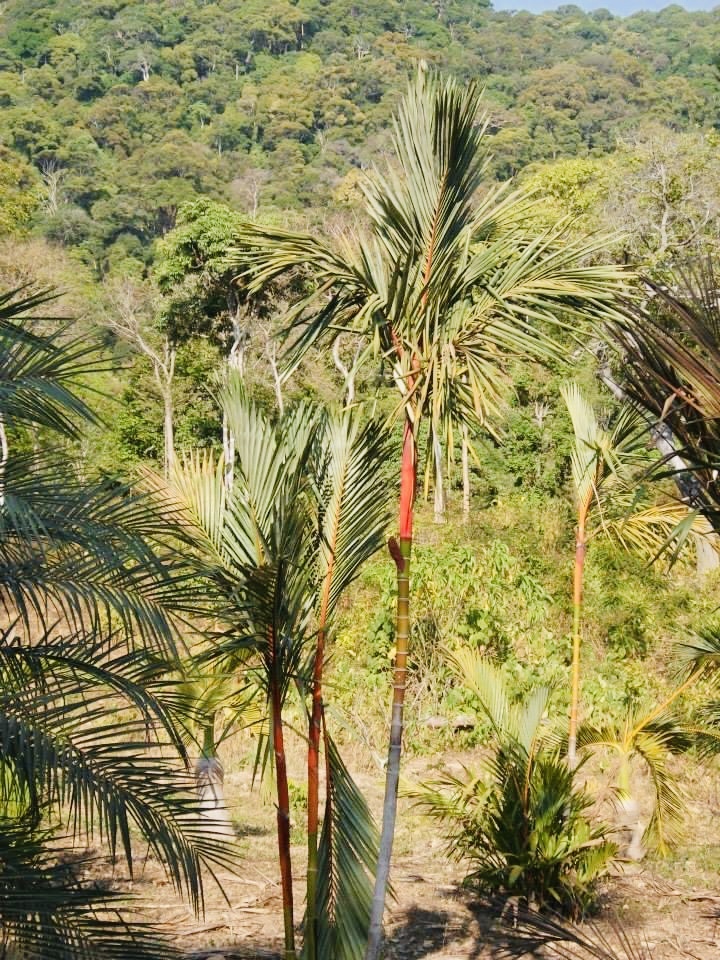
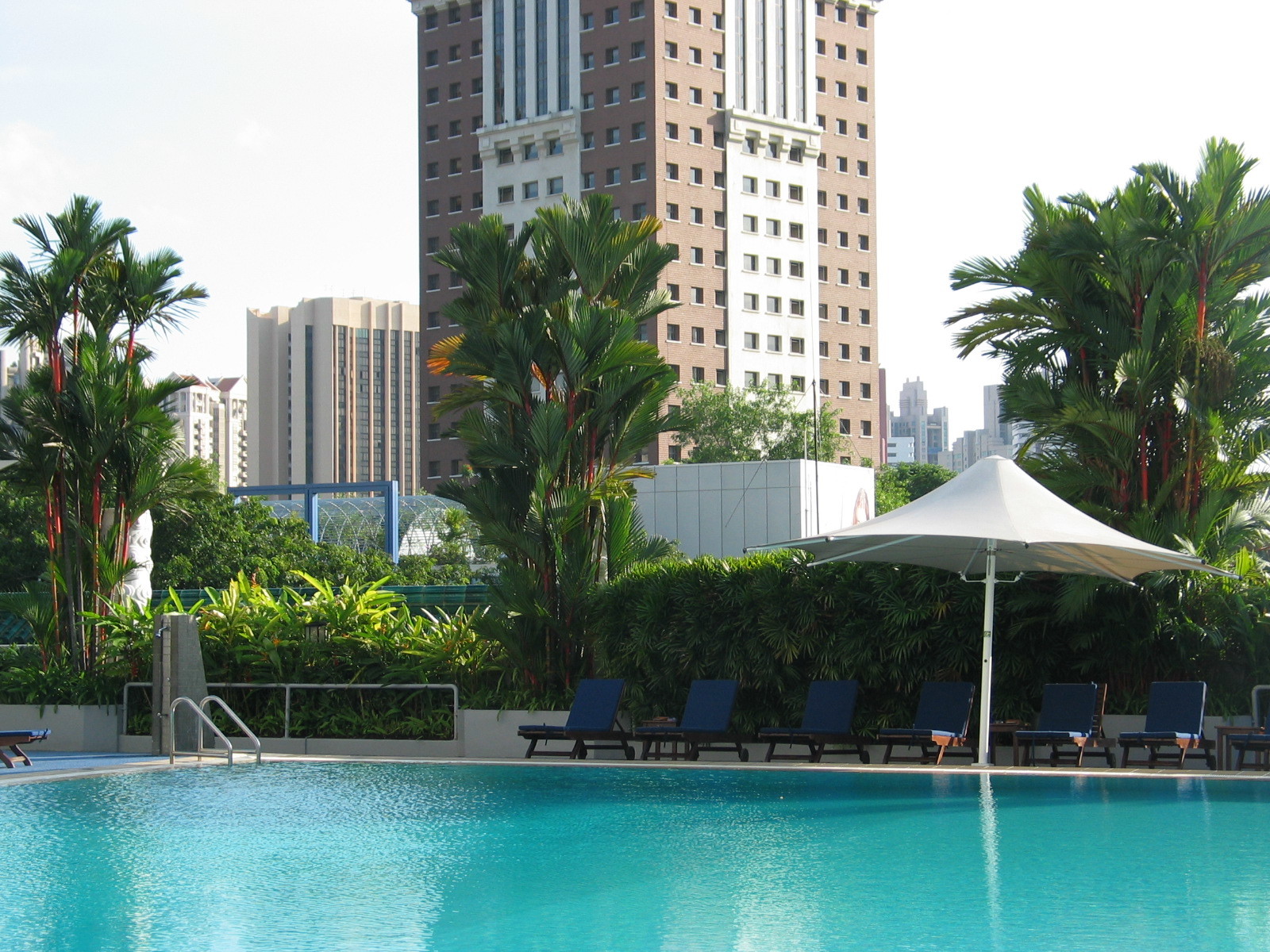
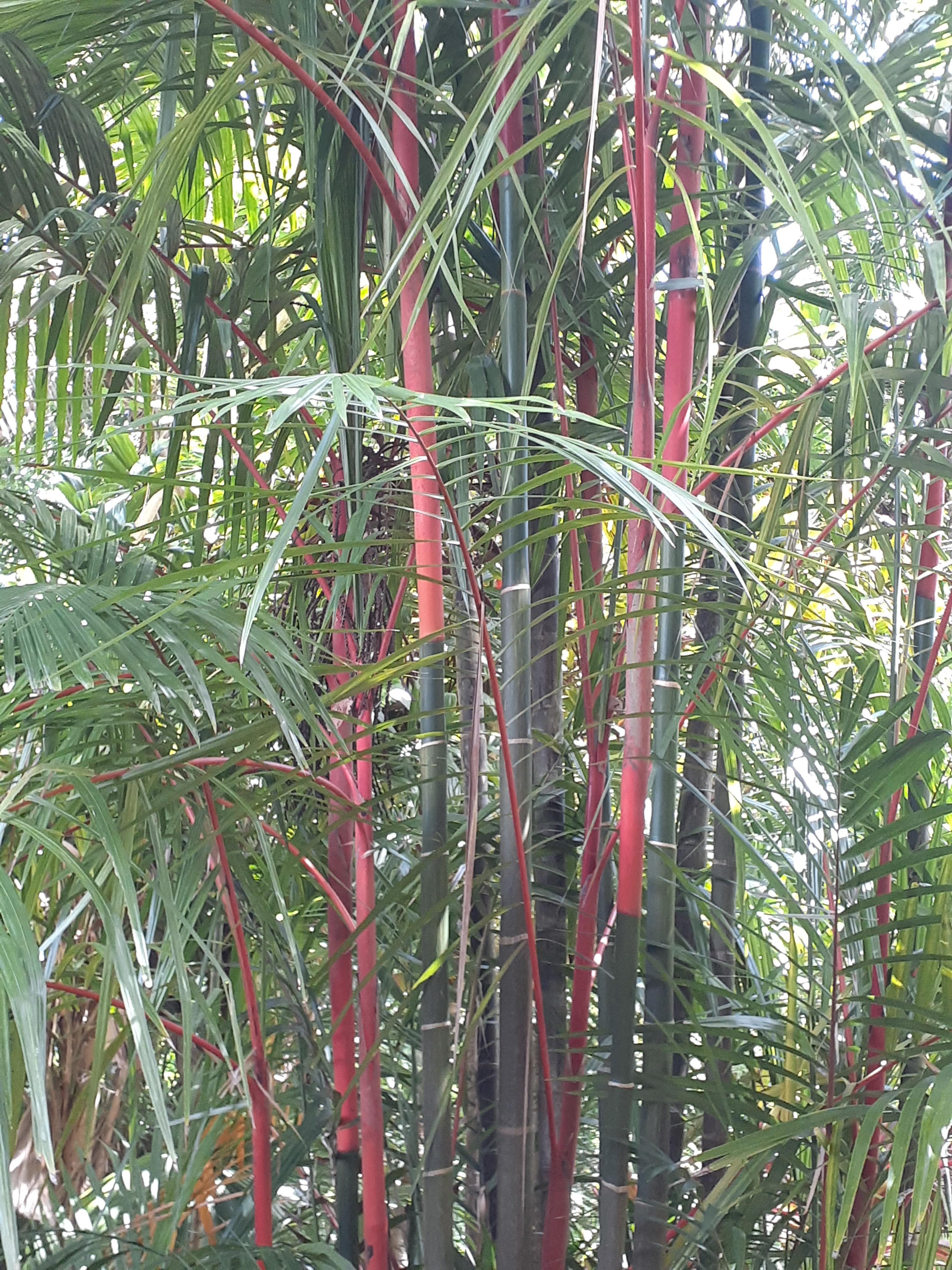
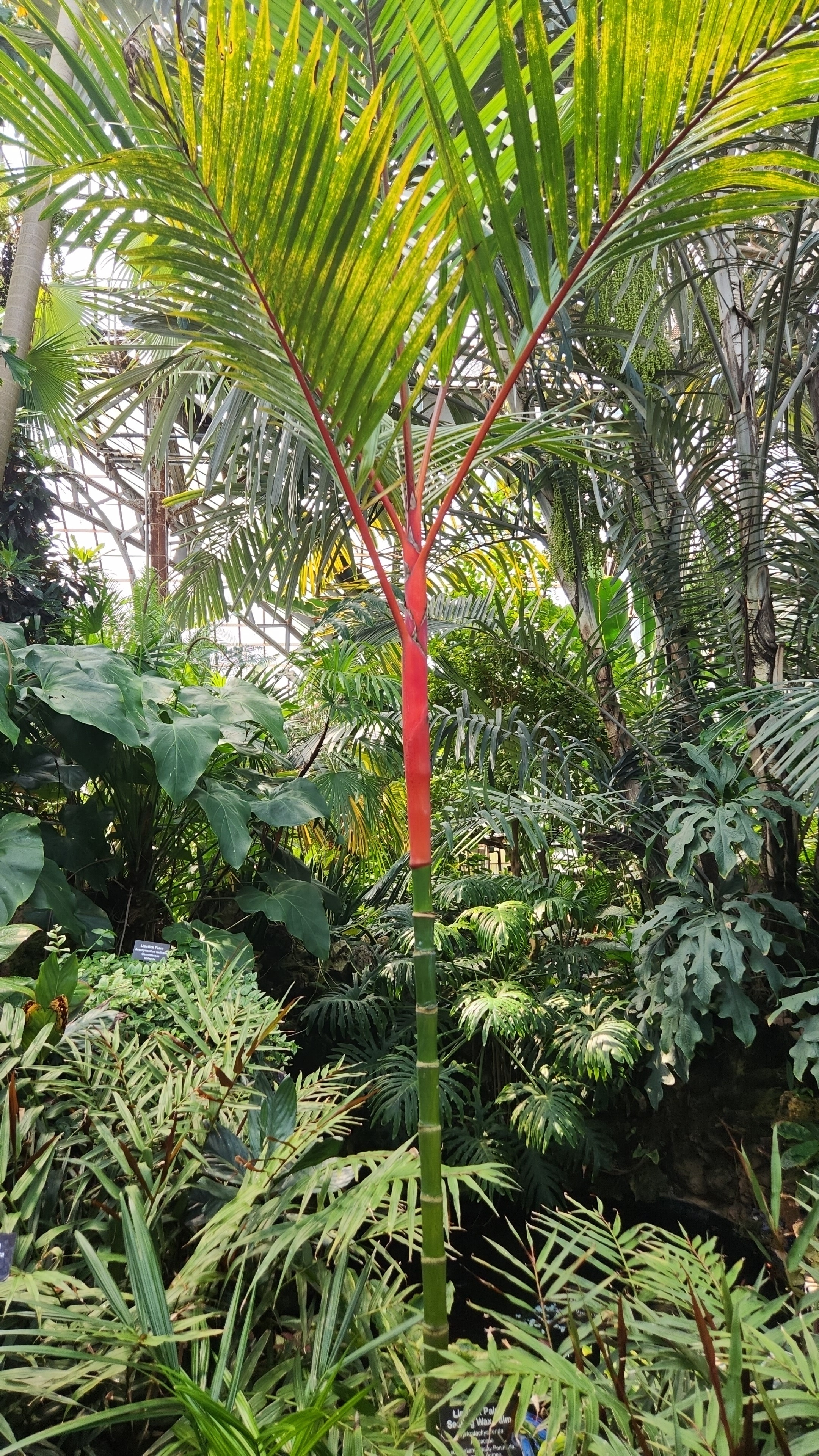
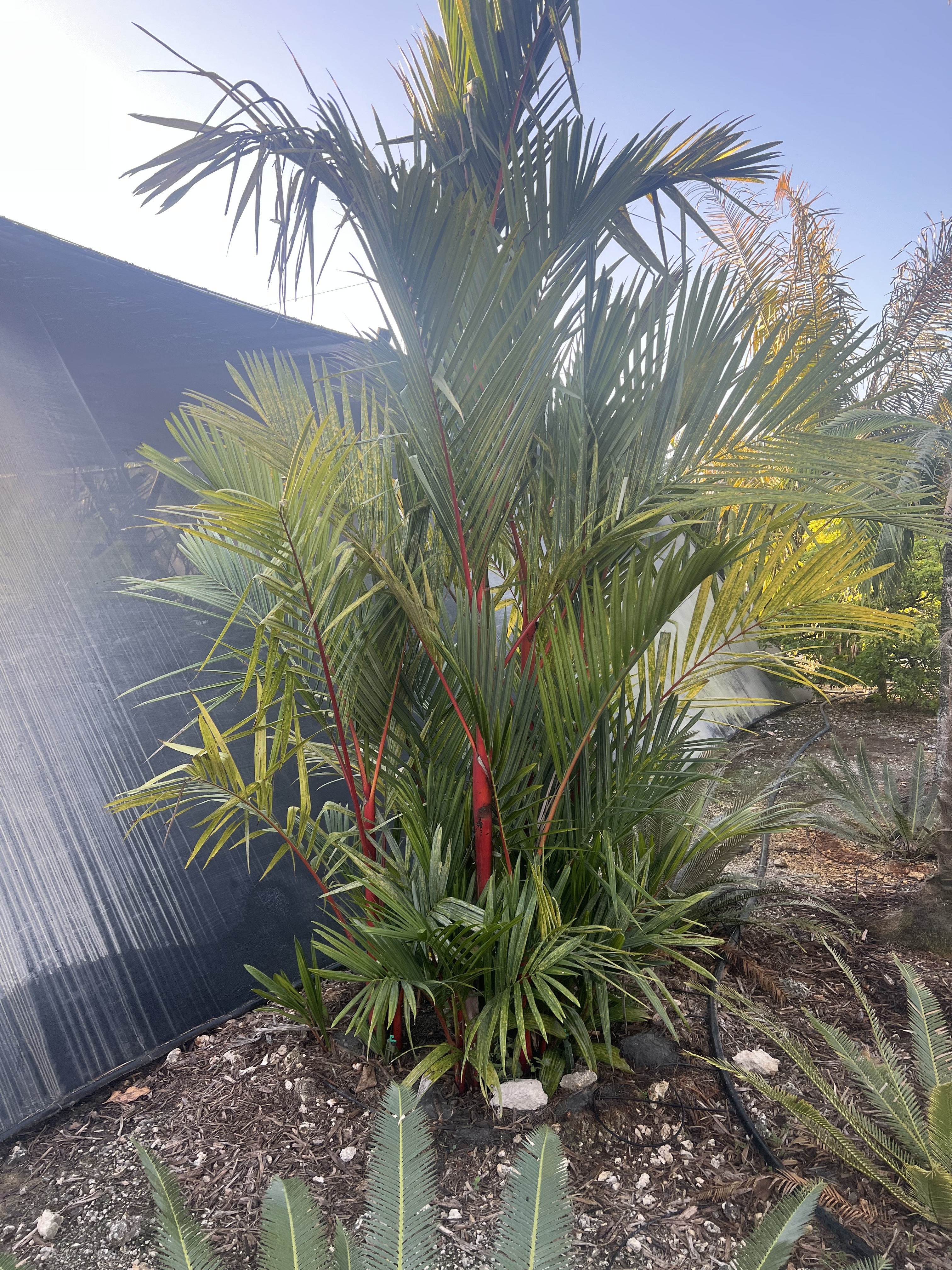
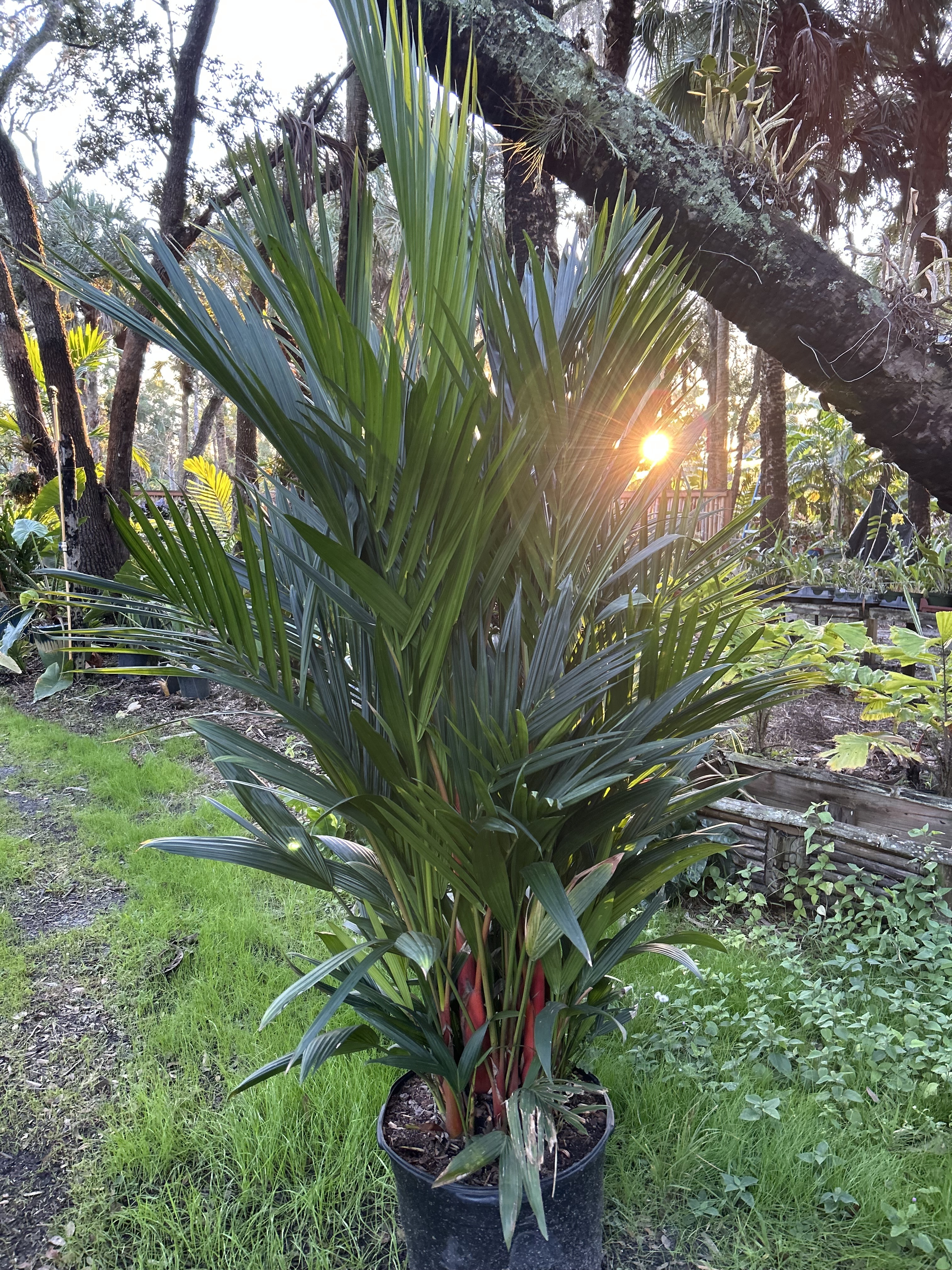
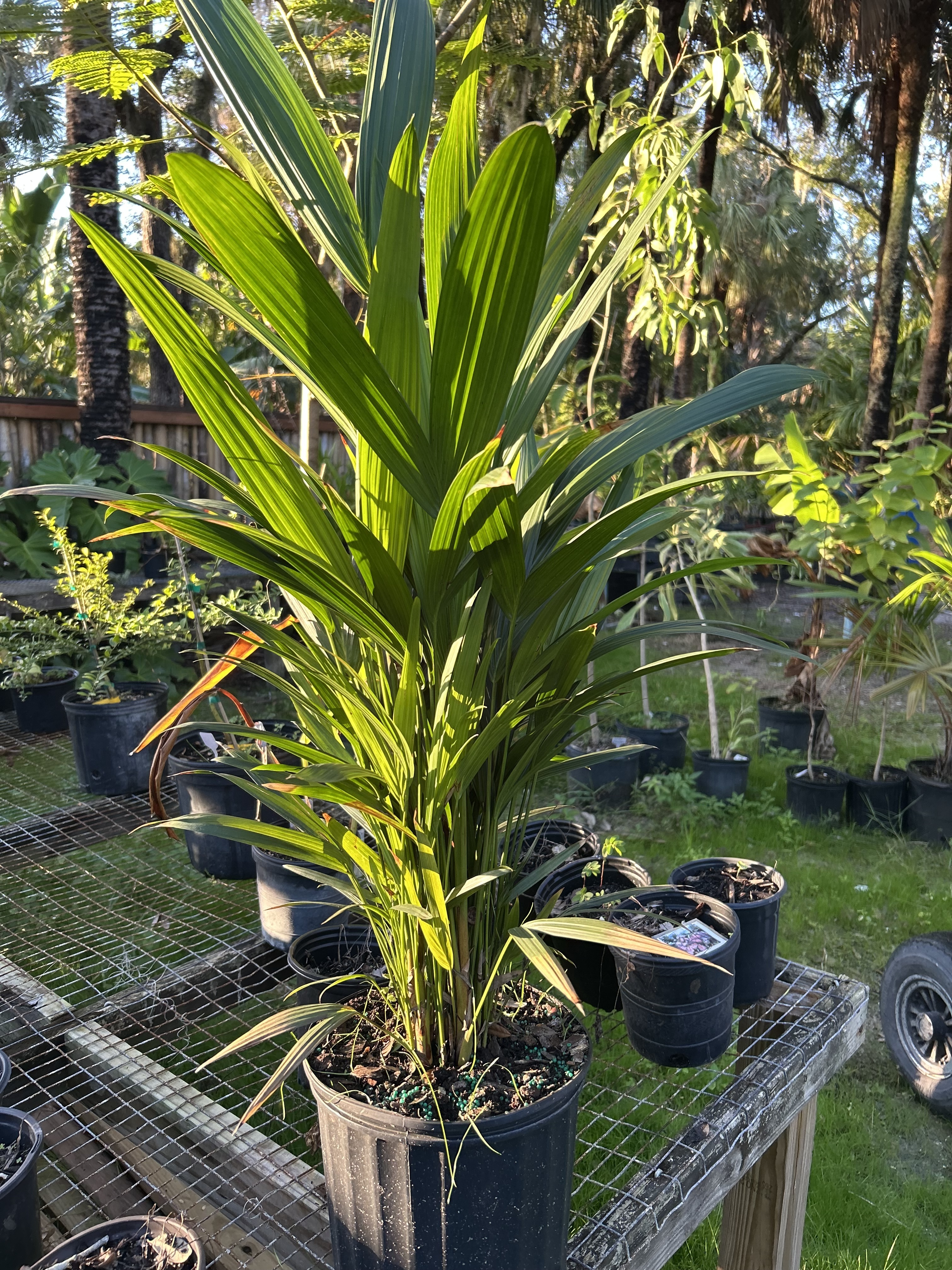
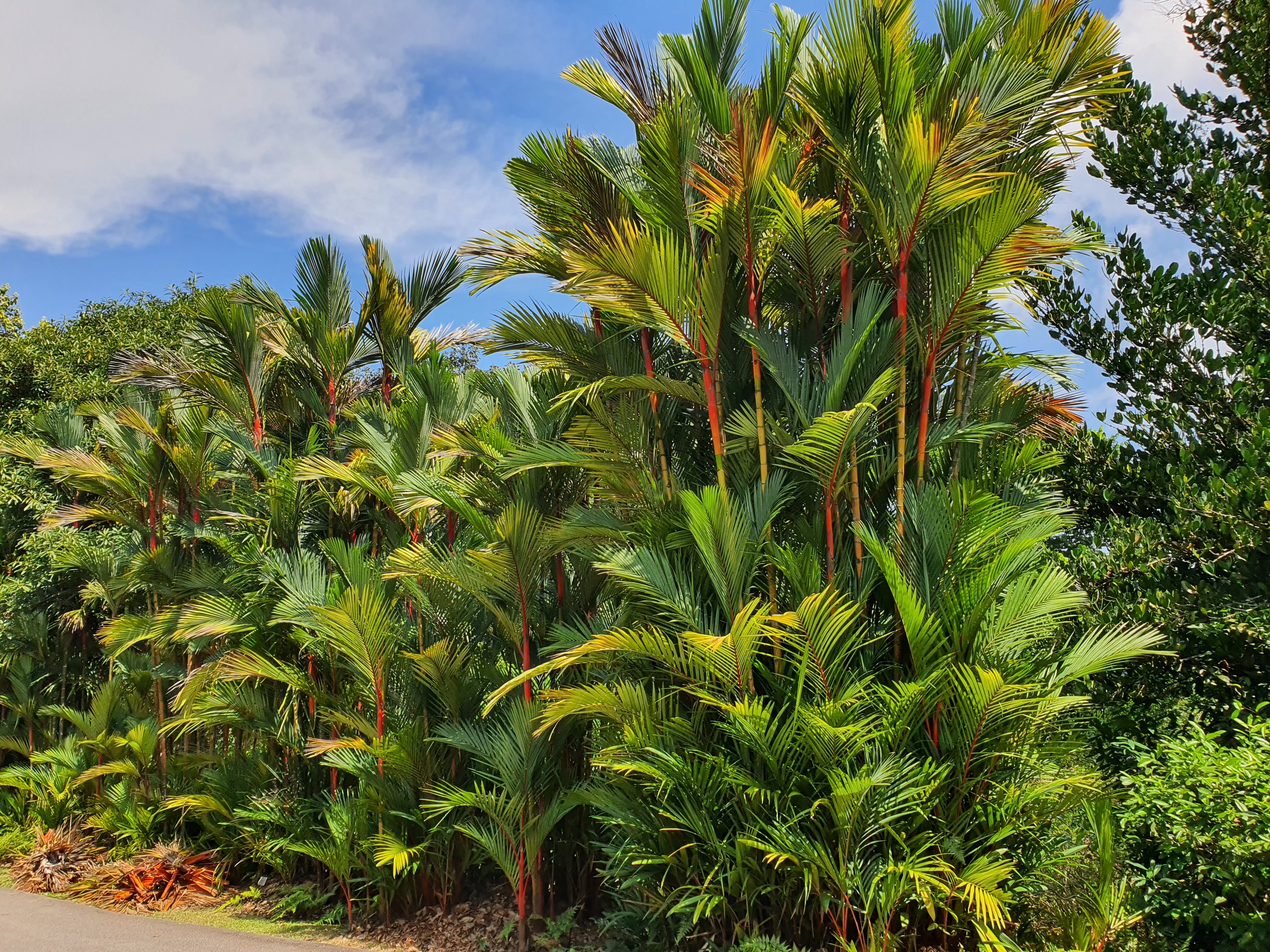
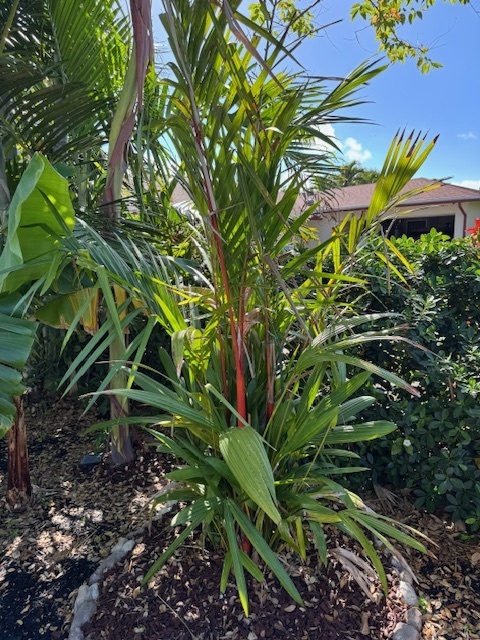
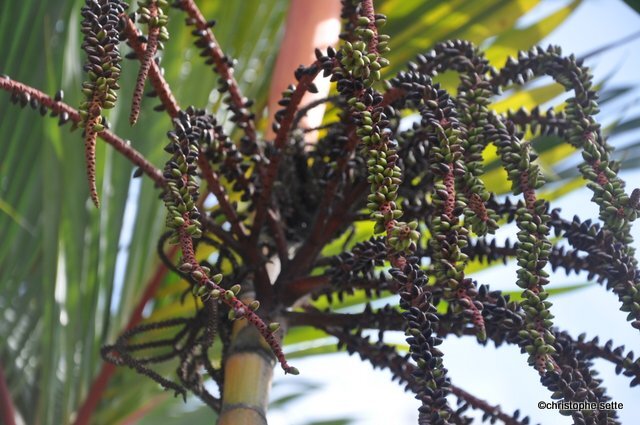
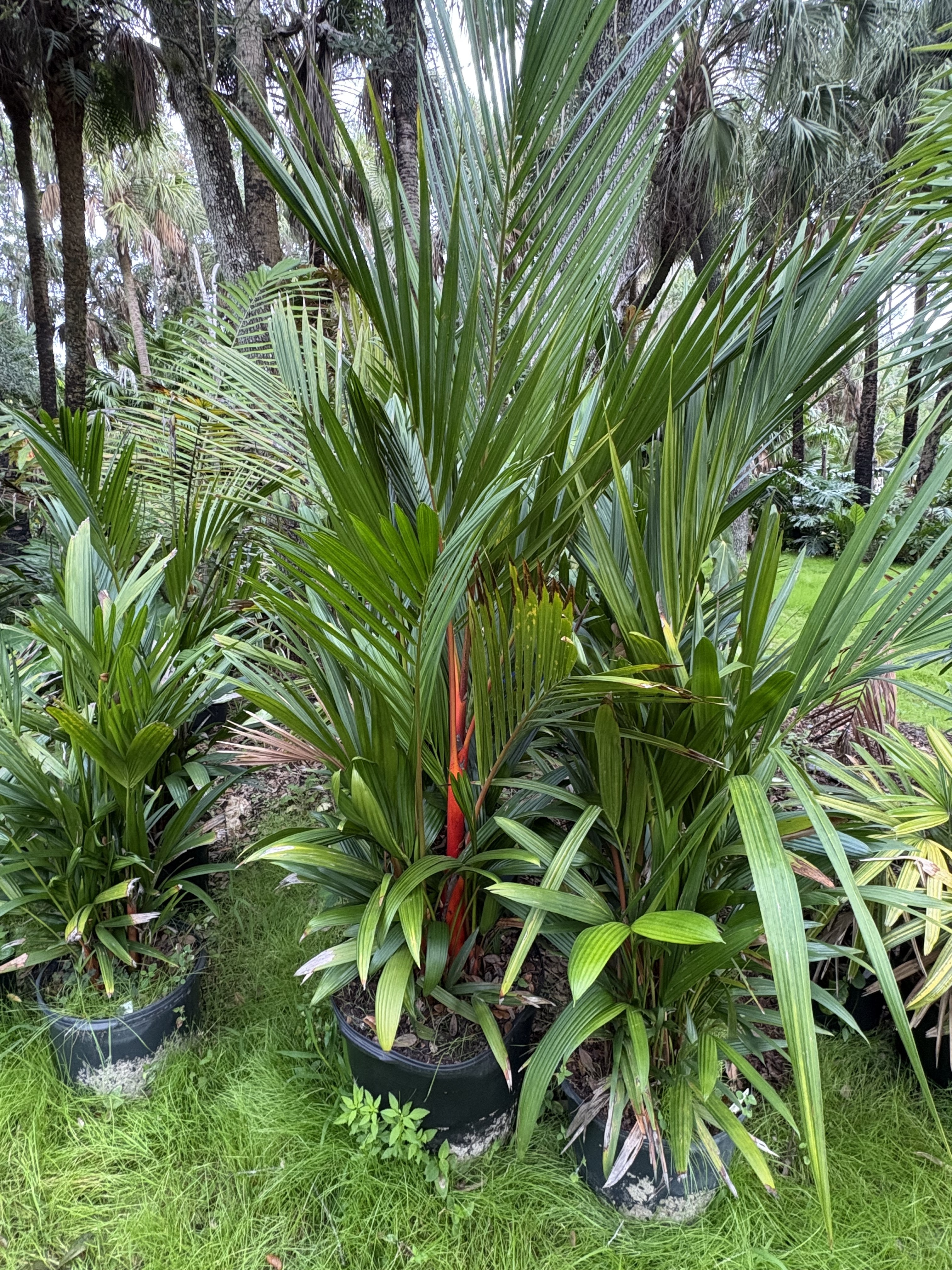
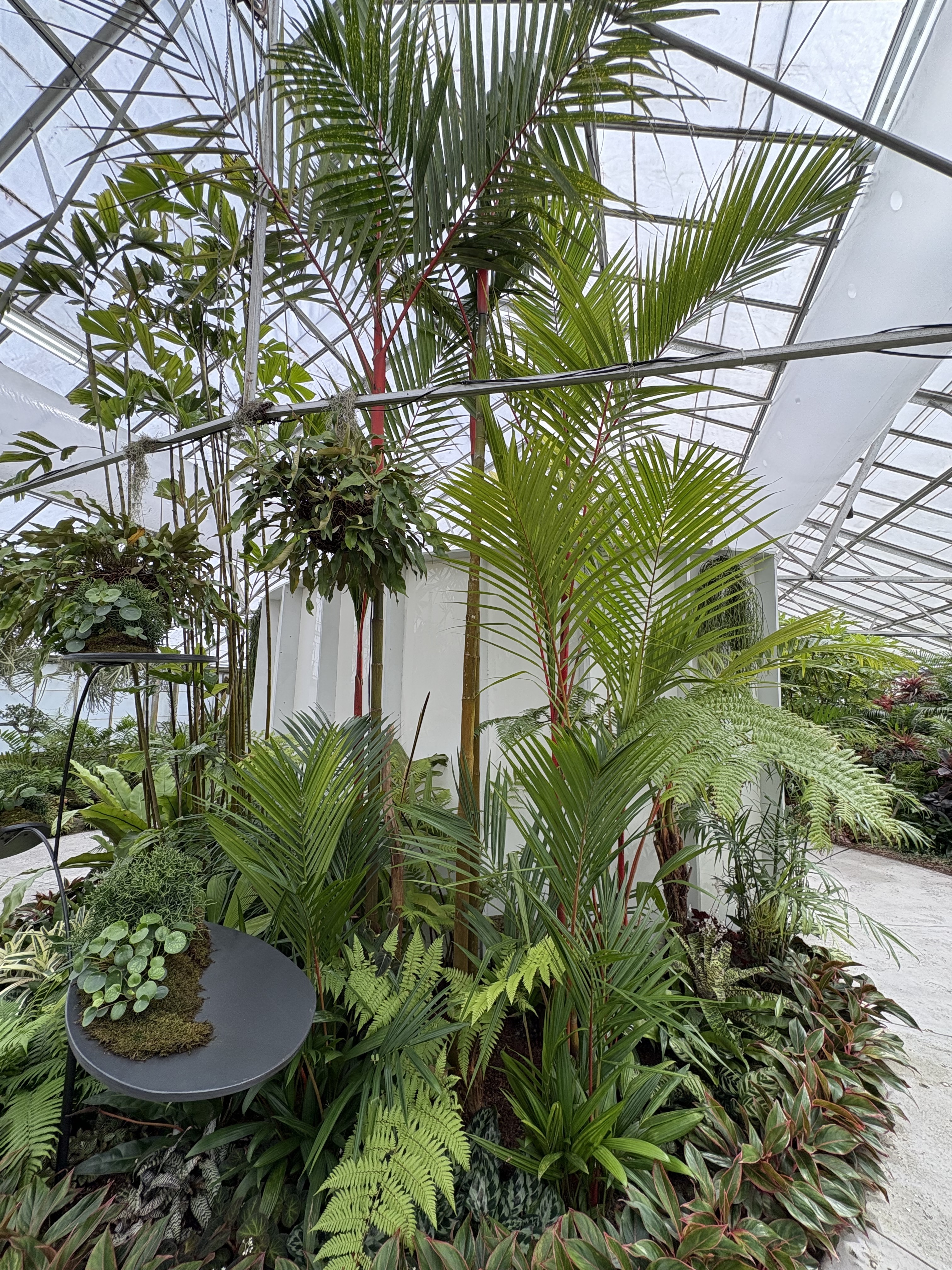
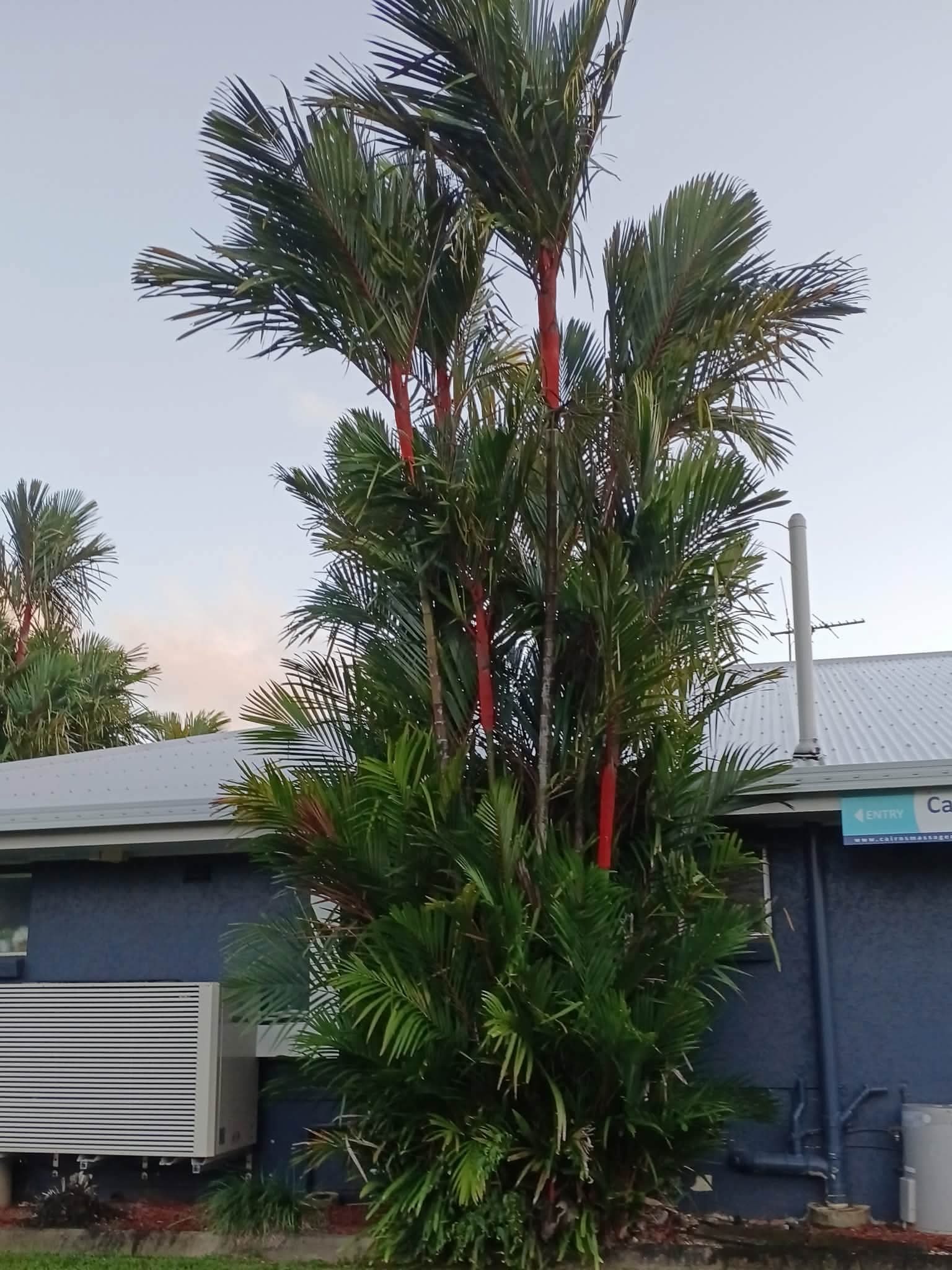
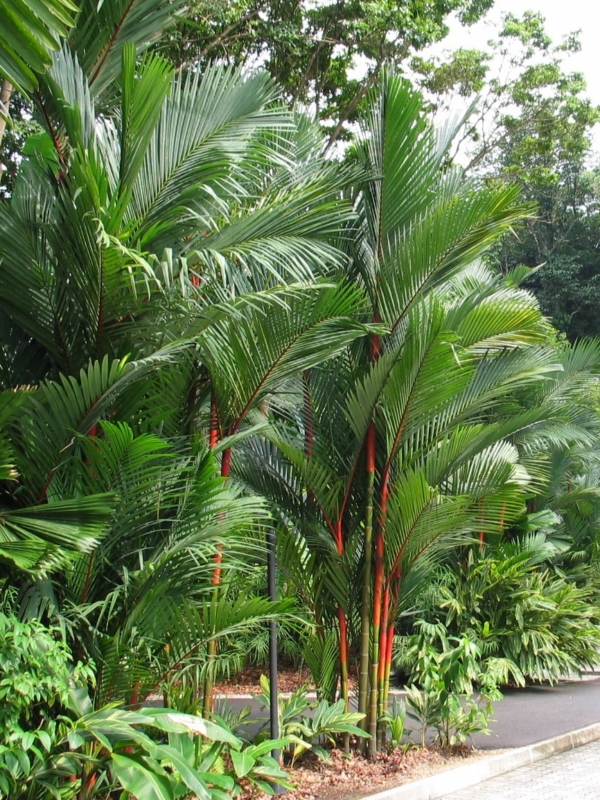
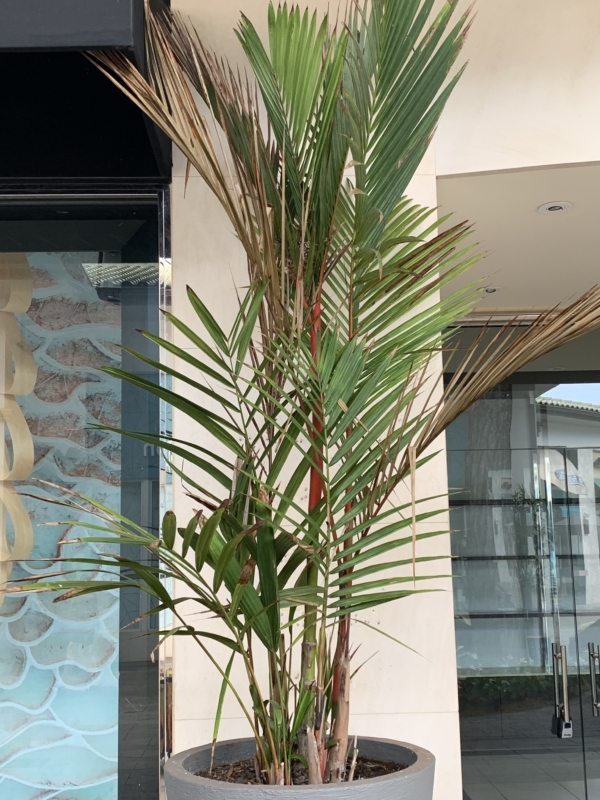
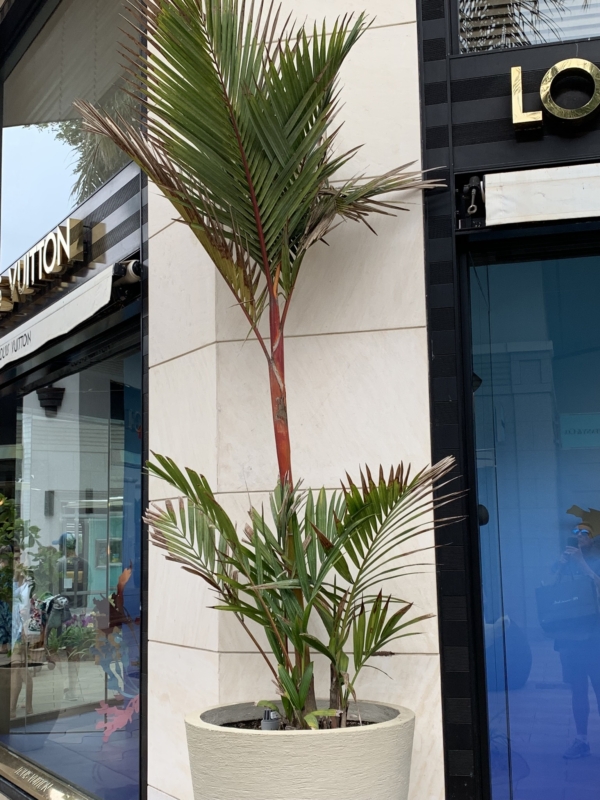
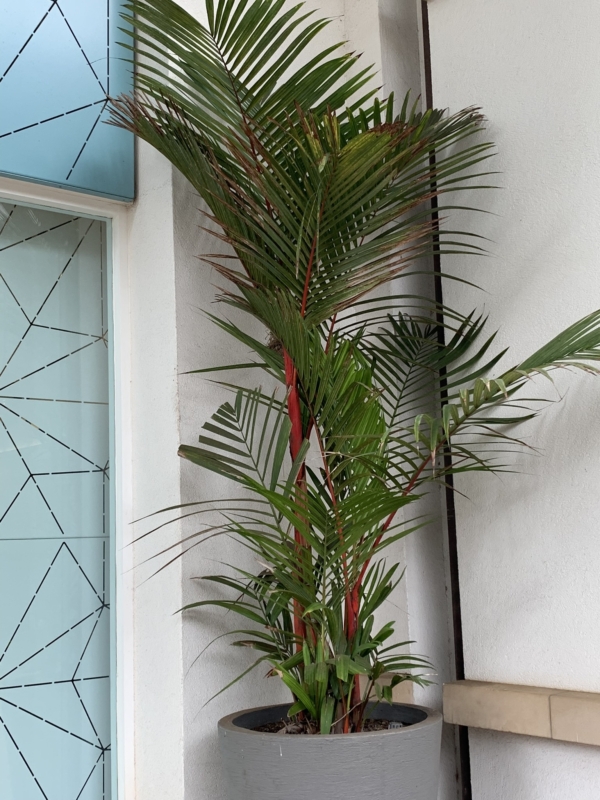
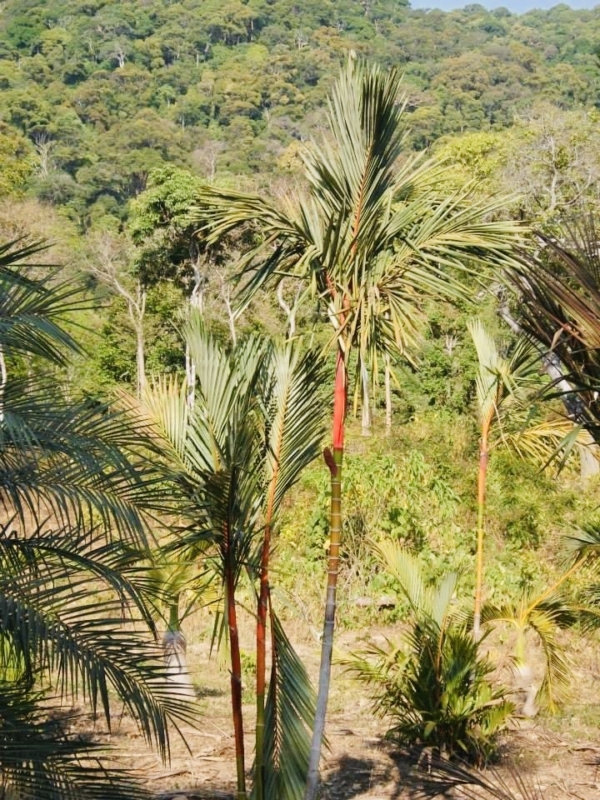
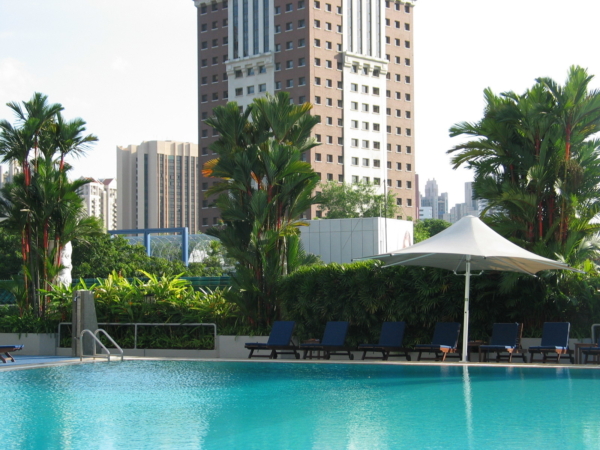
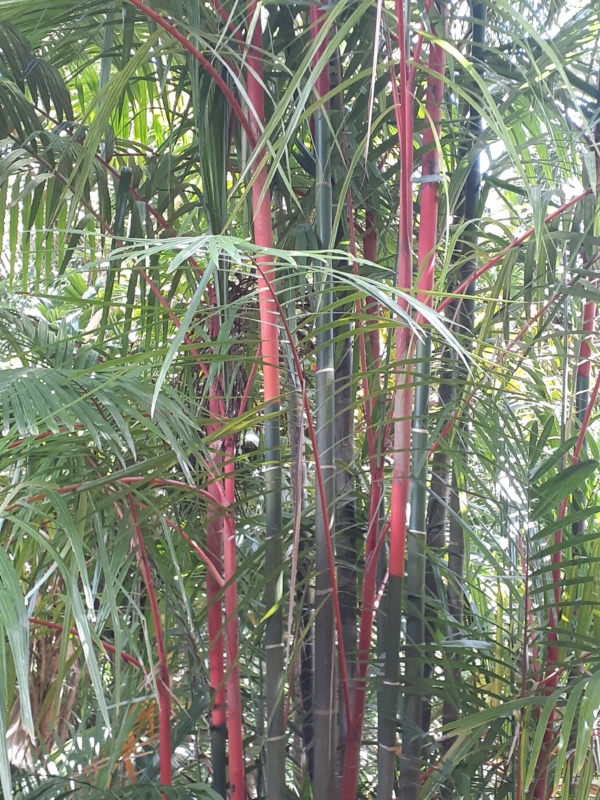
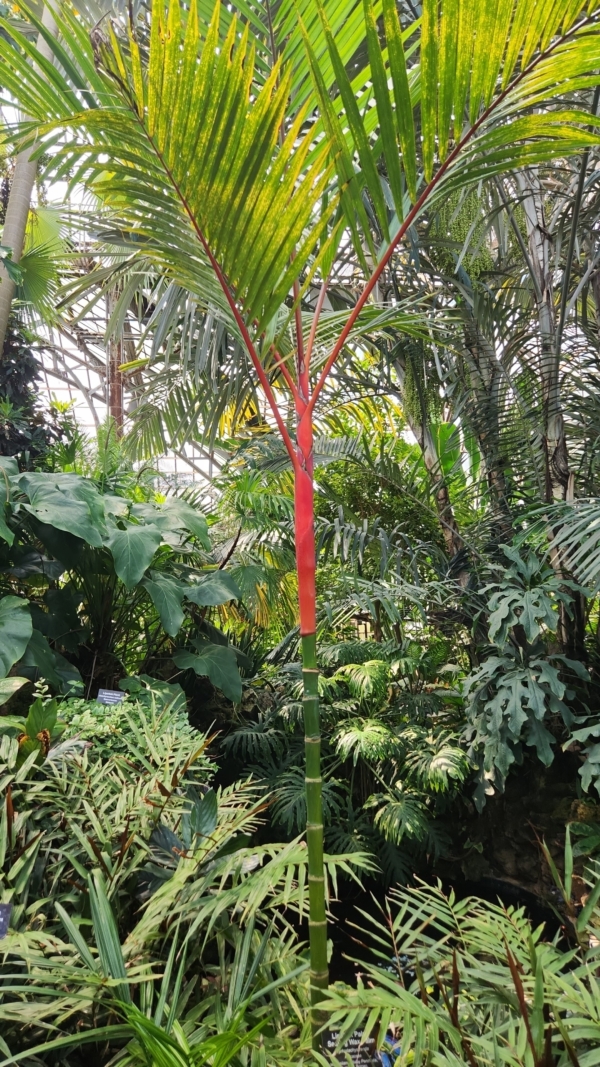
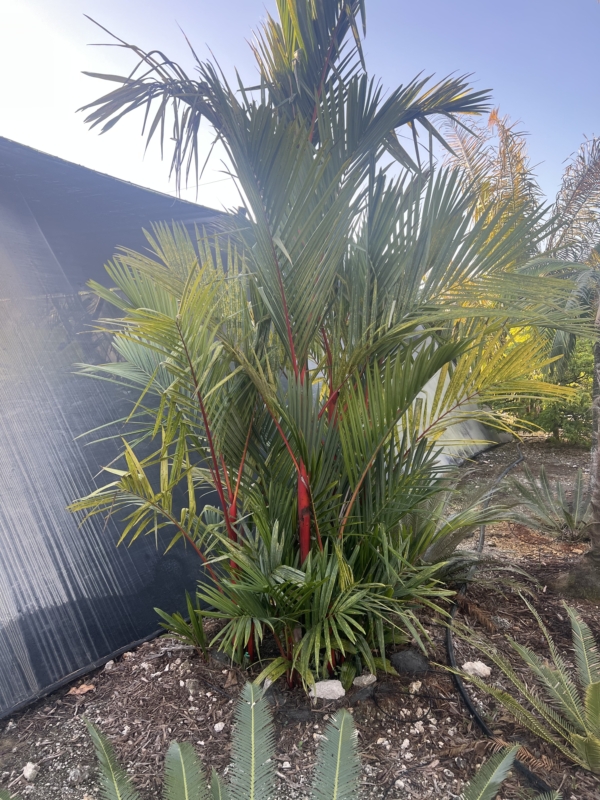
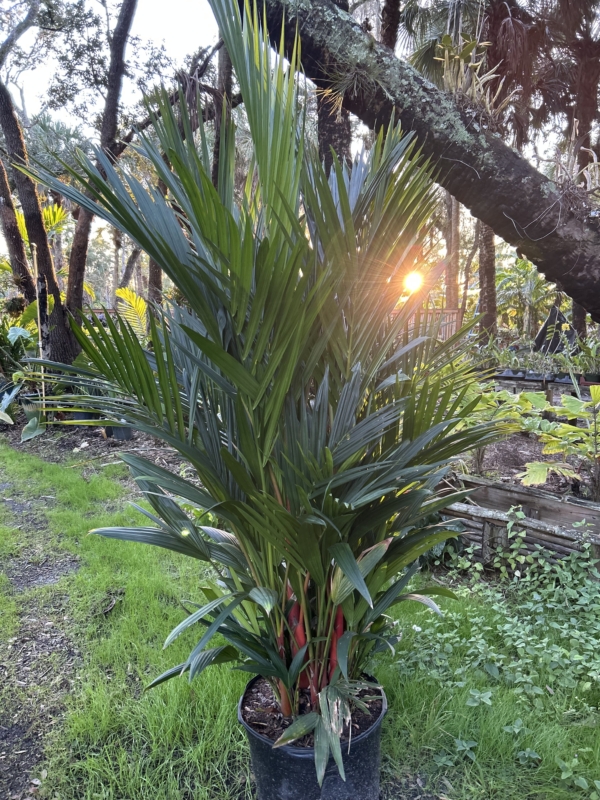
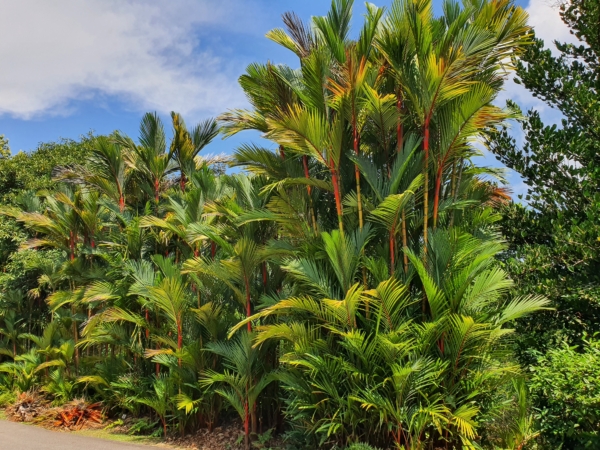
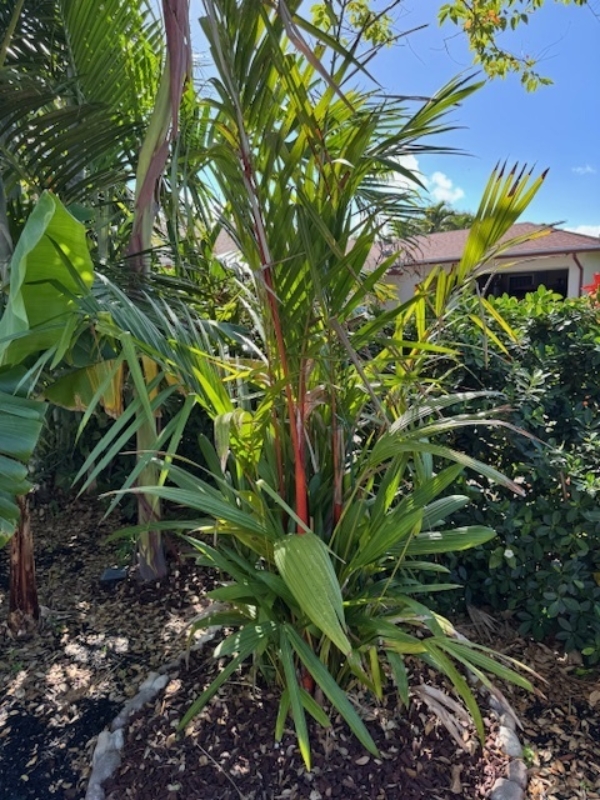
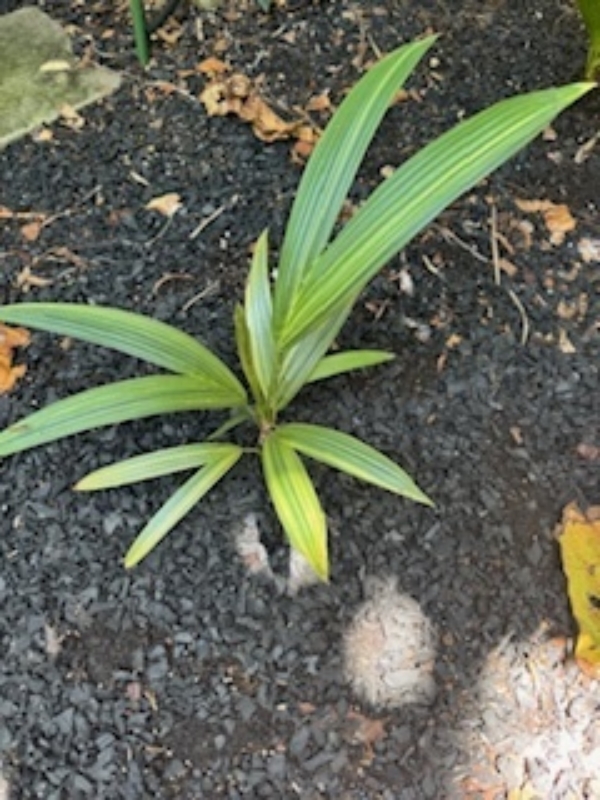
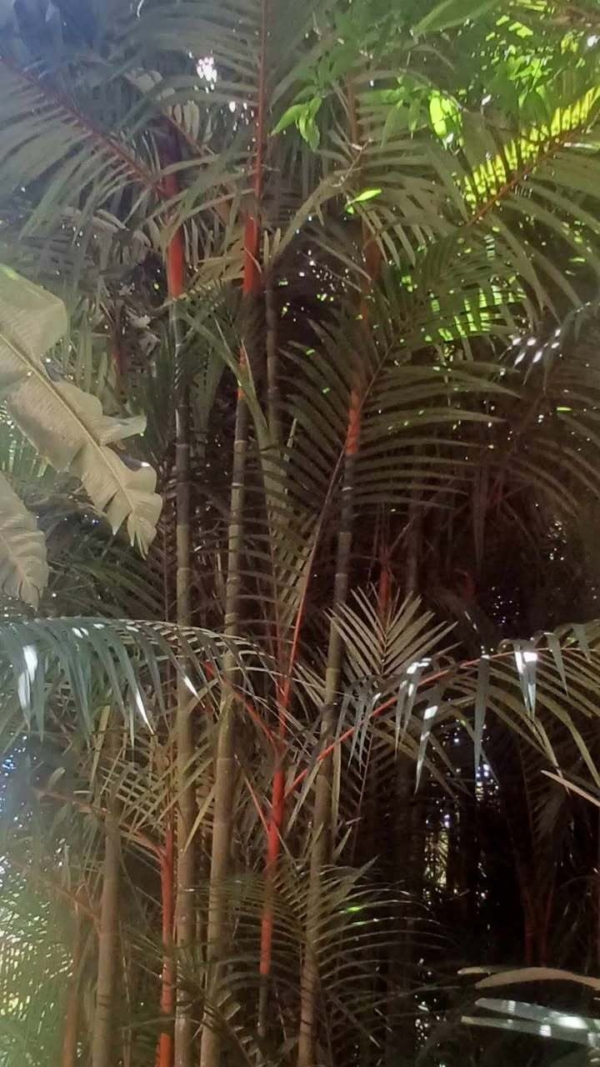
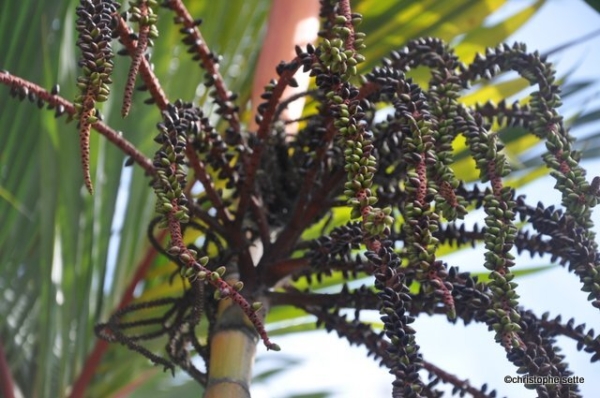
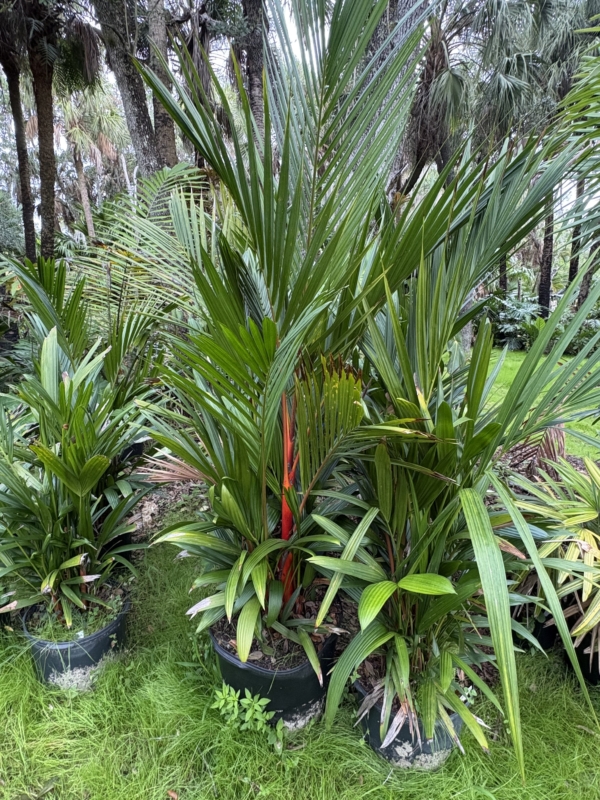
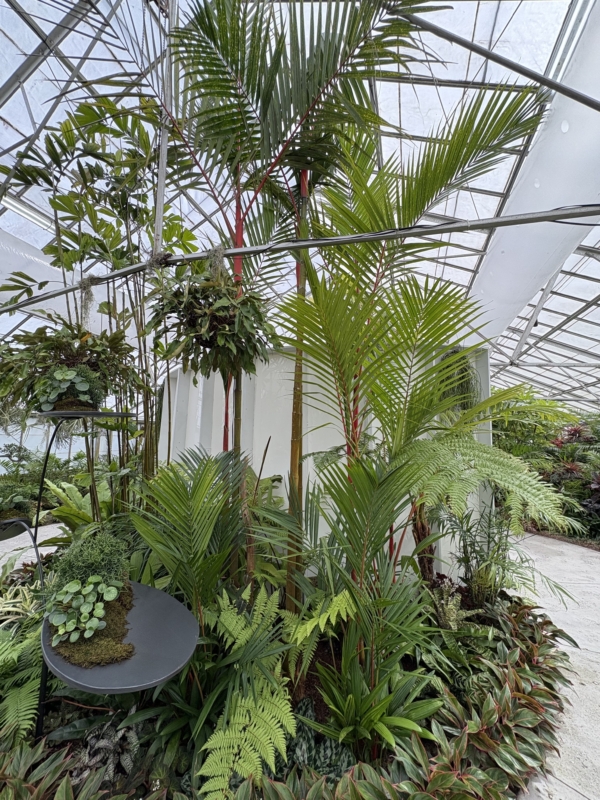
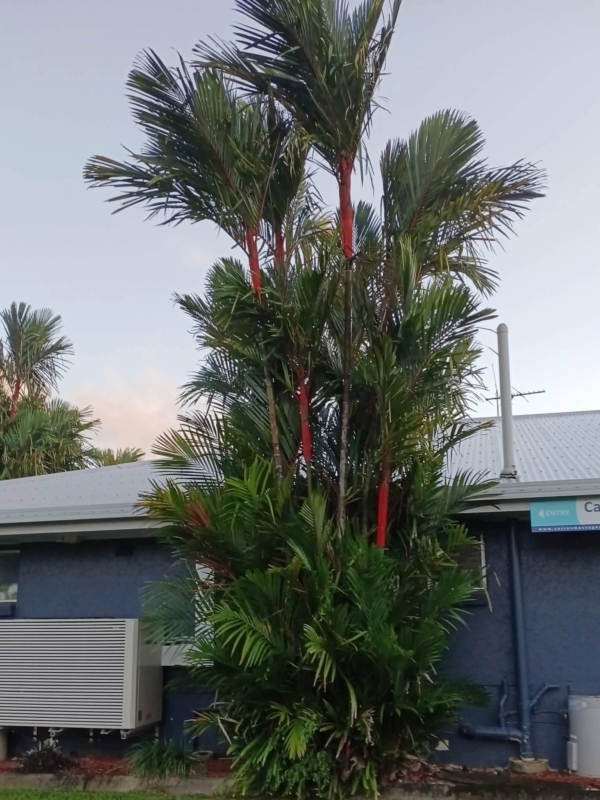
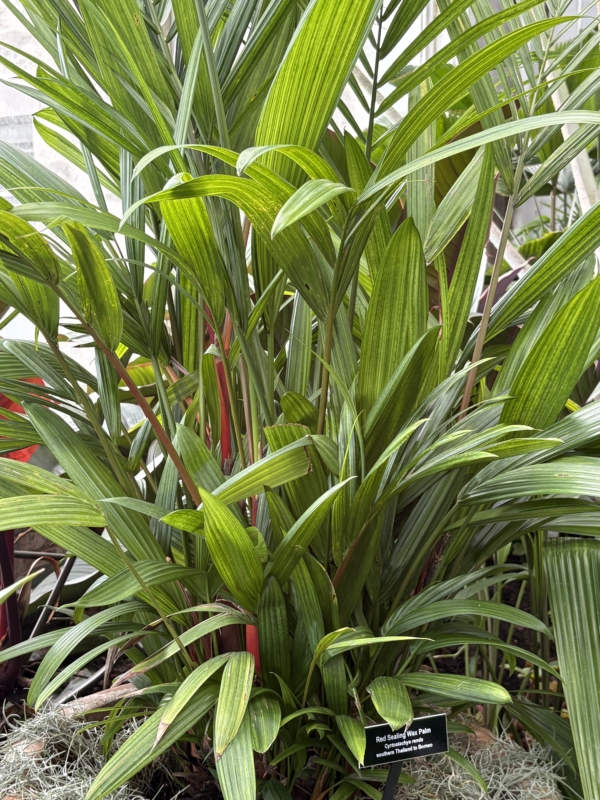
This is a clustering palm that develops slender, ringed trunks and forms elegant, dense colonies over time. Its most famous feature is its brilliant scarlet-red crownshaft, which contrasts dramatically against the trunk and intensifies as the palm matures under favorable conditions. The crown carries gracefully arching pinnate leaves in rich shades of green with red petioles and emerging foliage that complements the vivid crownshaft color. Inflorescences emerge below the crownshaft and produce branched flower structures that later develop into small rounded fruit. Native to lowland peat swamps and wetlands of Southeast Asia, this species has become one of the most recognizable ornamental palms in tropical cultivation worldwide.
Cultivation Tips
Select a location that receives partial shade or filtered sunlight until it's older. Afterwards, it handles part shade and full sun equally well. They don't tolerate drought, winds, salt, or cold temperatures. The lipstick palm is native to swampy, wet areas such as near riverbanks or tidal areas. In fact, it has been known to survive in standing water. For the healthiest palm, provide it with well-draining, moist, loamy soil. A well-balanced, slow-release palm fertilizer should be applied twice a year during the growing season.